


On the afternoon of October 15, the “Networking Event on New Technologies, Scenarios & Services for the Automotive Supply Chain Globalization—Europe & Africa Focus” was successfully held at the Haina Baichuan Building, Bao’an District, Shenzhen. The event was hosted by China EV100 and co-organized by the Going Global Super Platform (G100), Bao’an District New Energy Vehicle Industry Office, Bao’an District Enterprises Service Center, and Shenzhen Small- and Medium-sized Enterprises Service Center.
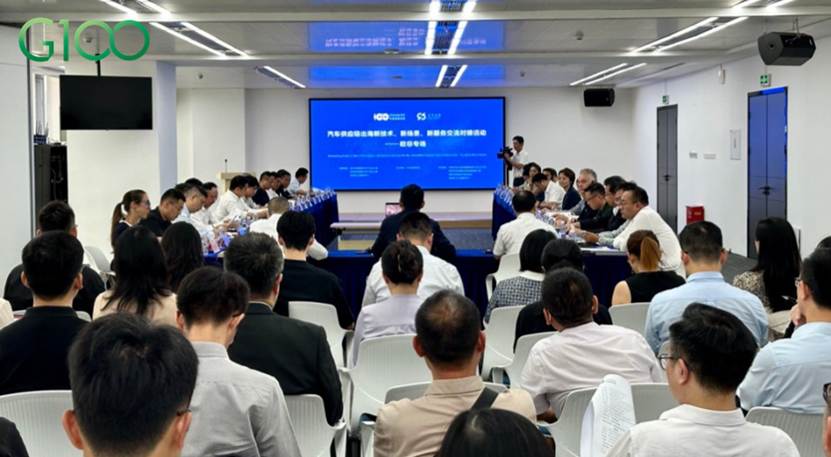
Leaders including Zhang Yongwei (Chairman of China EV100 and Executive President of GREEM), Huang He (Deputy Director of Shenzhen New Energy Automotive Association), and Liu Xinhua (Director of Bao’an District New Energy Vehicle Industry Office) attended the event. Also present were nearly 100 experts, representatives, and enterprise leaders from across the industry chain, including OEMs, core supply chains, finance, logistics, insurance, and policy & legal sectors. Participants included ANFIA, ACCIÓ, Mohammed VI of Morocco Tangier Tech City Project, GWM, GAC International, Desay SV, HSAE, MeiG Smart Technology, Sunwoda, Haylion Technologies, JDO, Huawei Cloud, Yaxon Zhilian, SF Express, Casstime, SEVENS Marketing, Shanghai Sunway Law Firm, and Orient Securities. Discussions focused on core topics such as new opportunities for China’s automakers in the European and African markets, new models of industrial cooperation, new paths for localized layout, and the construction of a service support system for the international development of China’s automotive industry.
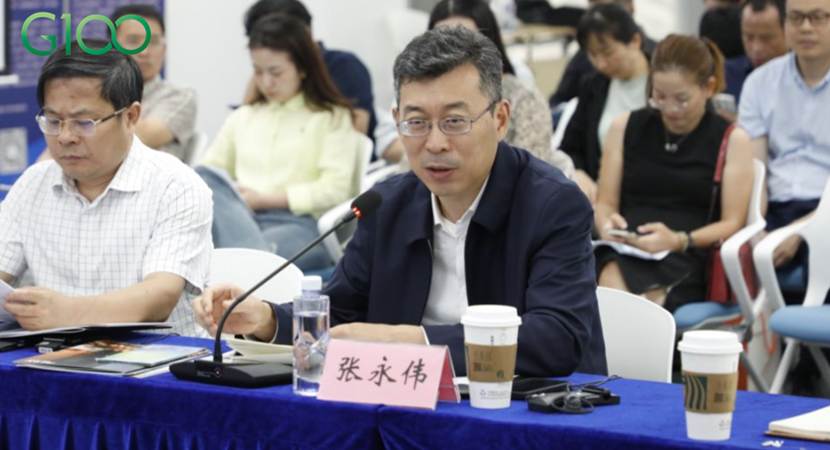
Zhang Yongwei, Chairman of China EV100 and Executive President of GREEM, stated that “going global” has shifted from an “option” to a “must” for the automotive industry. It is estimated that by the end of the 15th Five-Year Plan period, the new scale of China’s automotive market is expected to account for nearly half of the global market share, with over 10 million vehicles mainly sold in overseas markets; meanwhile, 30% of the total scale of the auto parts market will also be sold overseas, with a value exceeding RMB 1 trillion. The current environment for going global has undergone tremendous changes, bringing both opportunities and challenges – thus, overseas strategies and paths also need to be adjusted. Enterprises must shift from “going out” to “integrating in” to better embed themselves in target markets and meet local needs and compliance requirements. “Promoting and assisting Chinese automotive enterprises in going global will be a key focus of China EV100 going forward,” he added. “Through the overseas exchange platform, we will support the aggregation of professional service institutions (covering compliance, market research, supply-demand matchmaking, financial services, logistics, etc.) to serve member enterprises.”
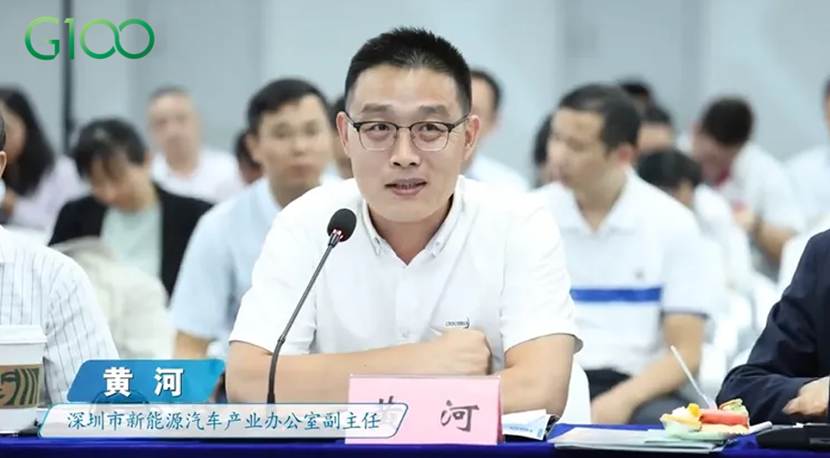
Huang He, Deputy Director of Shenzhen New Energy Automotive Association, noted that Shenzhen has built a core competitiveness for automotive globalization, consisting of “mechanism guarantees, channel support, and service empowerment”. Through 24 targeted measures, the establishment of a “one-stop integrated service platform for automotive going global”, and the construction of a global economic and trade network, Shenzhen has realized “one-stop services” for automotive export businesses and accurately responded to enterprises’ needs. In addition, relying on the dense international shipping routes of Shenzhen Port, it provides strong logistics support for automakers’ exports.
1. New Opportunities for Cooperation between Europe-Africa Automakers
Representatives from government agencies and institutions of Italy, Spain, and Morocco shared local automotive industry policies, investment environments, and industrial cooperation opportunities from an overseas perspective.
Gianmarco Giorda, General Manager of ANFIA, pointed out that Italy has created a highly competitive environment to attract investment. He mentioned that in some regions of Italy, enterprises can obtain the highest level of incentives in Europe, including subsidies and preferential loans. In particular, Development Contracts (CdS) – applicable to productive investments worth at least €20 million – not only facilitate enterprise localization but also drive innovation across the entire supply chain. Furthermore, Italy provides comprehensive support covering R&D, innovation, employee training, and environmental protection, making full use of the EU General Block Exemption Regulation (GBER) to maximize investment opportunities and provide strong guarantees for multinational enterprises to layout in the Italian market.

Madrona Marcet, Chief Representative of ACCIÓ China, stated that Catalonia has promoted the establishment of an automotive industry ecosystem through a transparent business environment and incentive policies. For industrial investment, the Catalonia Trade & Investment – CAPEX Incentive Policy offers up to 20% (maximum €500,000) in financial subsidies for new factories and expansions. For R&D and innovation, the “General & Green R&D Nuclis Program” provides up to 40% (or €250,000) in subsidies for sustainable development and innovative technologies. The “CDTI–PTAS” project can provide up to 85% financing for R&D and technology projects related to electric vehicles, intelligent connected vehicles, and autonomous driving.
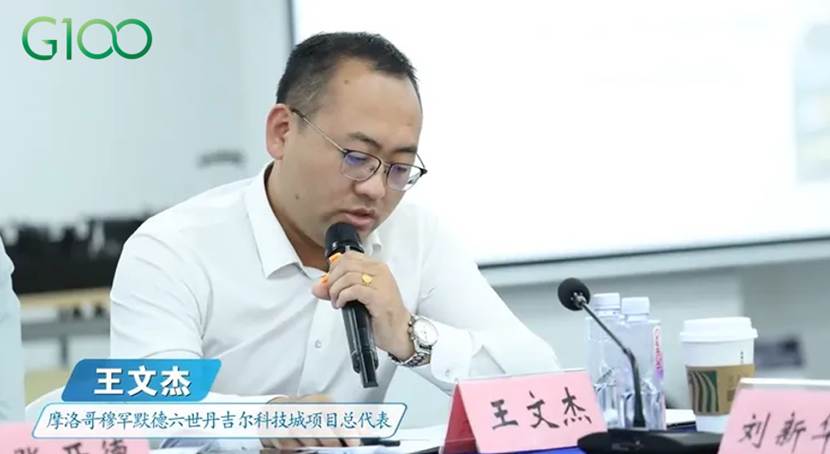
Wang Wenjie, General Representative of Mohammed VI of Morocco Tangier Tech City Project, noted that Morocco is the largest passenger vehicle producer in Africa, and the government plans to increase annual vehicle production to 1 million units by 2030 – with a focus on attracting high-tech enterprises in areas such as new energy vehicles, advanced engine manufacturing, high-end automotive electronics systems, and automatic transmissions. Enterprises settling in Mohammed VI of Morocco Tangier Tech City can enjoy preferential policies including free foreign currency policies, and exemptions from customs duties, corporate income tax, value-added tax (VAT), and stamp duty.
2. New Challenges, Models for Industrial Cooperation, and Paths of Localization for Chinese Auto Companies in Europe-Africa Markets
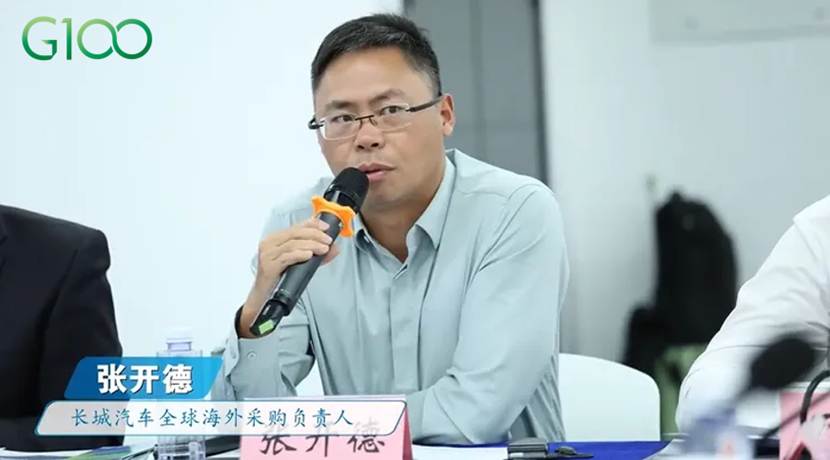
Zhang Kaide, Director of Global Overseas Procurement of GWM, emphasized that the global expansion of the industrial chain must adhere to five core elements: quality, cost, delivery, technology, and willingness to cooperate. In particular, quality is the cornerstone for long-term success, requiring the unification of standards and quality, as well as the establishment of industry-guided standards.
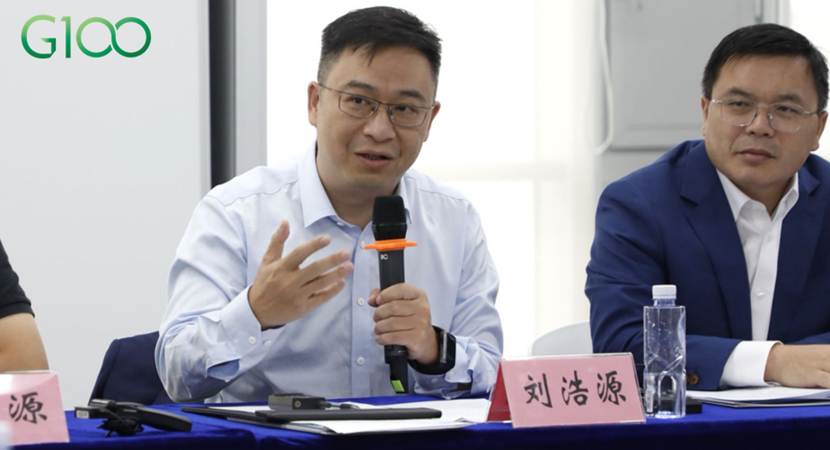
Liu Haoyuan, Director of Strategic Cooperation at GAC International, stated that enterprises should fully leverage their core advantages in green and intelligent technologies, shift from “competing on price” to “creating value”, improve overall product experience through electrification and intelligentization, and enhance brand value by upgrading quality and services. He stressed the importance of going global to truly serve and contribute to local communities.
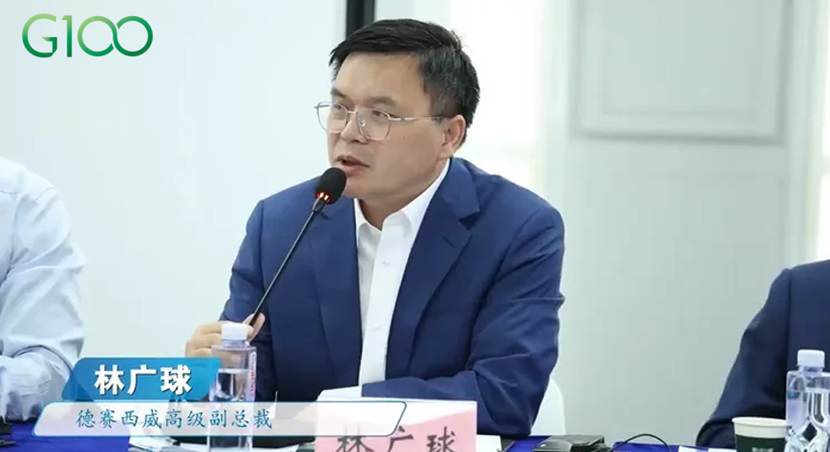
Lin Guangqiu, Senior Vice President of Desay SV, pointed out three key tasks in the global expansion of the industrial chain: first, seeking community with a shared future and suitable partners; second, adopting a mindset of cultural diversity and inclusiveness to address differences in policies and cultures across regions; third, sharing and collaborating on overseas resources, and utilizing overseas networks to support the upgrading, iteration, and innovation of various automakers.
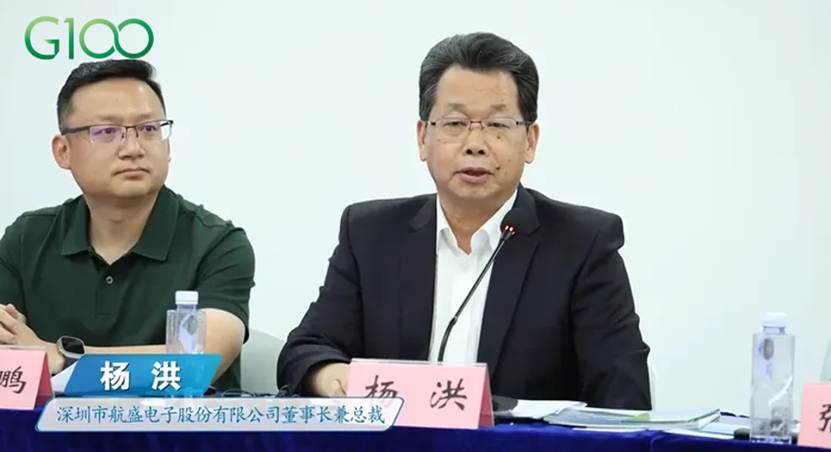
Yang Hong, Chairman of HSAE, stated that enterprises must adhere to long-termism and customer demand-oriented development, developing products tailored to local market needs rather than adopting a “one product, one platform” global approach.
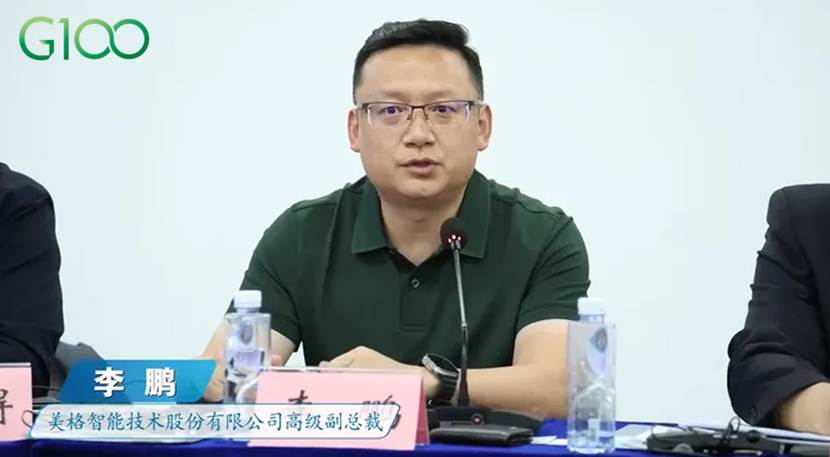
Li Peng, Senior Vice President of MeiG Smart Technology, emphasized that enterprises should always pursue advanced technology paths: on one hand, providing automakers with the latest technological empowerment to support their high-quality development and avoid low-quality homogeneous competition; on the other hand, establishing global sales and technical service centers to provide customers with worldwide service support overseas.
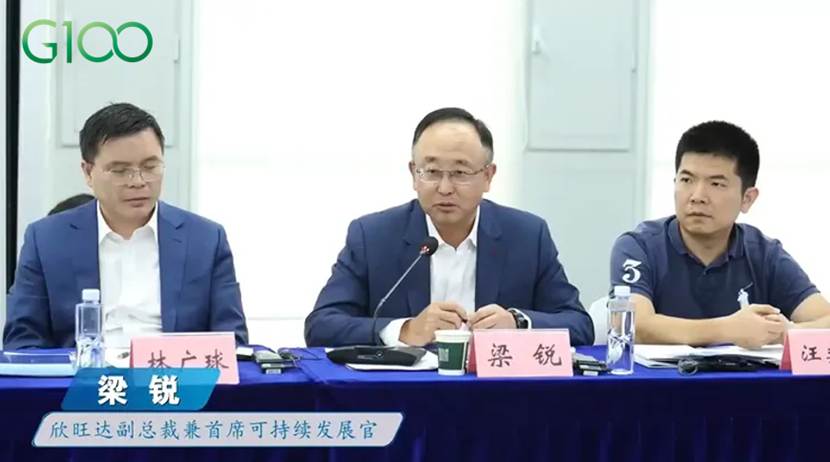
Liang Rui, Vice President & Chief Sustainable Officer of Sunwoda, noted that it is crucial to integrate into local overseas ecosystems, cultivate local partners, and identify new business development opportunities locally. At the same time, enterprises should strengthen policy communication to promote universal and industry-specific policies for going global, enabling high-level and sound overseas development.
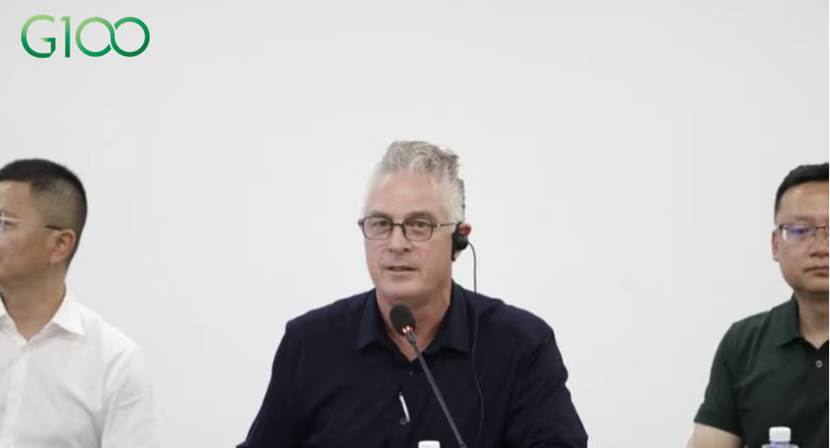
Xia Peter, International CEO of Haylion Technologies, stated that in terms of overseas strategies, enterprises should build localized technology and trust mechanisms: on one hand, co-developing technical solutions with local overseas manufacturers to adapt to overseas standard systems; on the other hand, establishing global trust mechanisms through localized data processing and standard compliance, transforming “Made in China” into “globally trusted system solutions”.
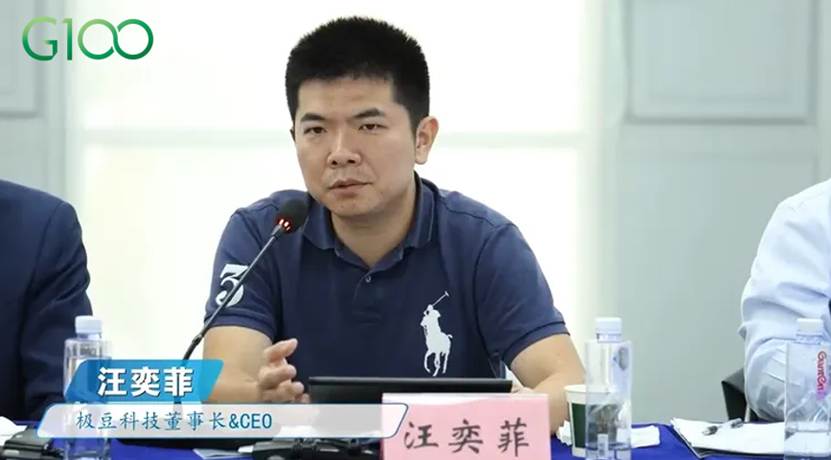
Wang Yifei, Chairman and CEO of JDO, stated that for overseas markets, the company will promote targeted localized innovation based on local realities. Meanwhile, relying on China’s mature cockpit AI large-model technology and digital service advantages, it will collaborate with hardware partners to provide competitive products for local markets and consumers.
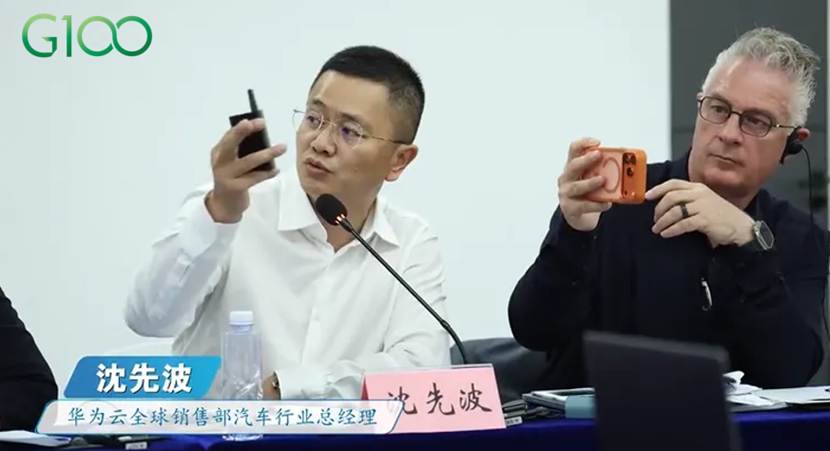
Shen Xianbo, General Manager of Global Sales Department for Automotive Industry at Huawei Cloud, stated that Huawei Cloud is not only a solution provider but also a comprehensive partner for automakers going global. Through its global infrastructure coverage, security and compliance consulting, localized services, and overseas ecosystem building, Huawei Cloud provides enterprises with high-quality platforms and services to support the global expansion of the industry.
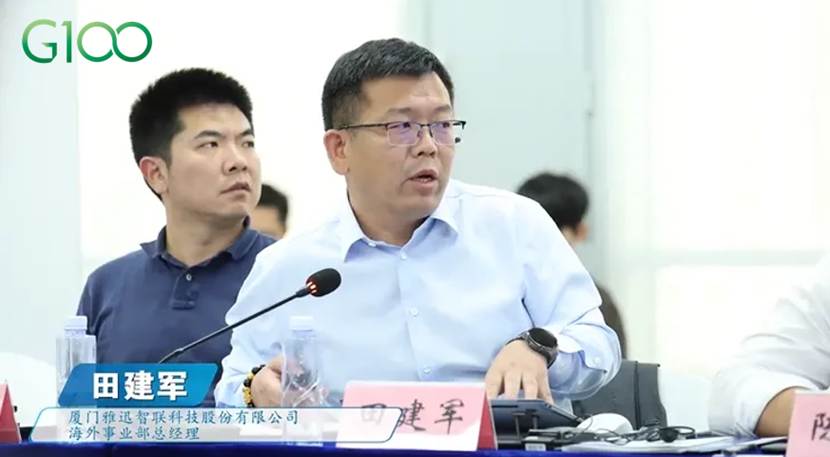
Tian Jianjun, General Manager of Overseas Business Department at Yaxon Zhilian, emphasized that localization policies highlight compliance, including local laws, taxation, and policy requirements. Therefore, both vehicle and parts enterprises must adhere to long-termism, invest resources in developing products suitable for overseas markets, and while localizing products, appropriately consider R&D localization and provide quality customer service.
3. Building a “One-Stop Integrated Service System for Global Expansion”
Enterprises providing overseas services (covering logistics, after-sales, brand marketing, legal compliance, and capital operations) discussed how to systematically build a support system for enterprises going global from multiple perspectives.
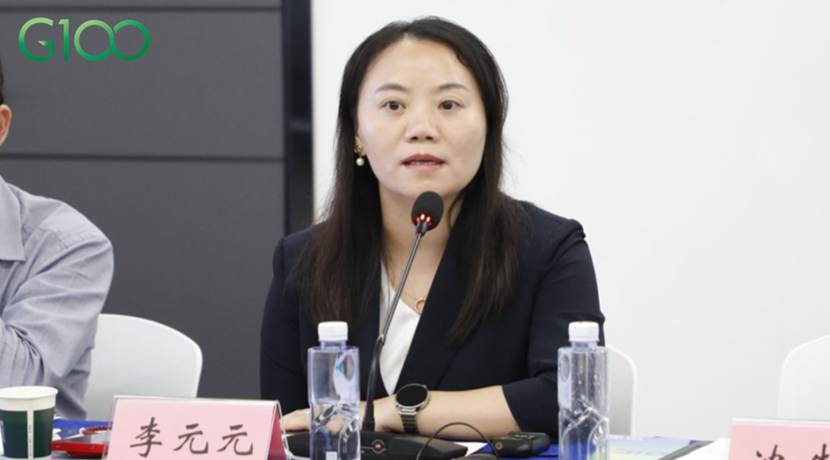
Li Yuanyuan, Assistant Head of SF Express Hong Kong Region, demonstrated SF Express International’s global aviation resource network, China-Europe multimodal transport, and overseas warehouse networks. It can provide automakers with end-to-end, full-process visible cross-border logistics services.
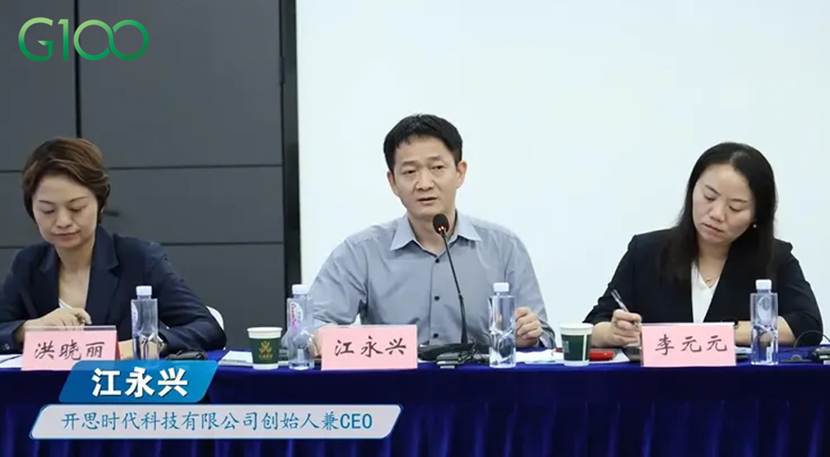
Jiang Yongxing, Founder & CEO of Casstime, emphasized the importance of integrating the entire data system, stating that data must be built on an infrastructure of co-construction, sharing, and common use. By aggregating China’s supply chain and leveraging China’s advantages in digital platforms and AI, the company serves global customers.
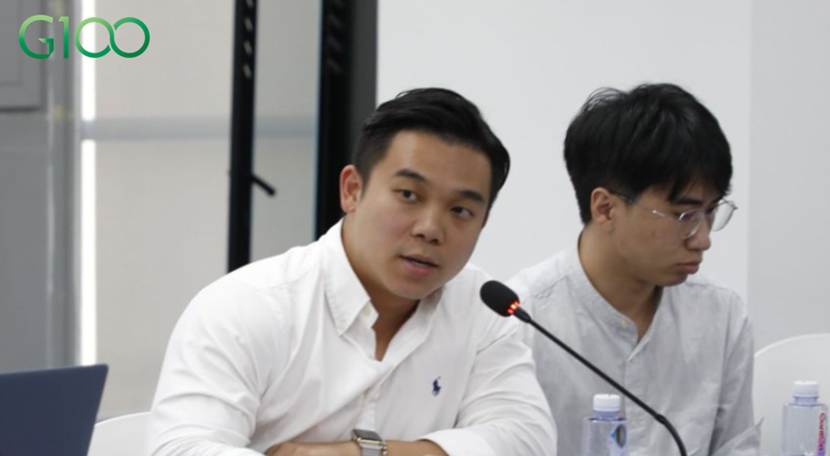
Charles Lin, Partner of SEVENS Marketing, emphasized that brand globalization should shift from “dividends” to “mindshare”, achieving brand value resonance through localized storytelling.
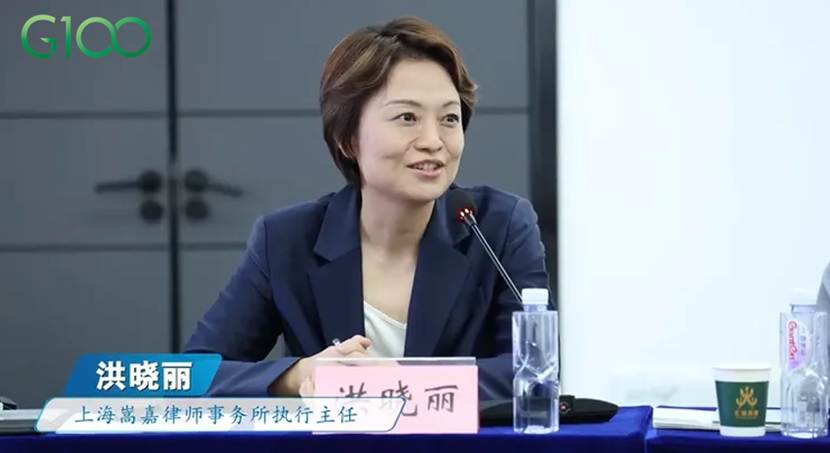
Hong Xiaoli, Executive Director of Shanghai Sunway Law Firm, advised enterprises to prioritize compliance construction, improving investment structures, data compliance, and ESG governance in the early stages of going global. She also shared practical cases of risk prevention and problem-solving through Europe-Africa linkage mechanisms.
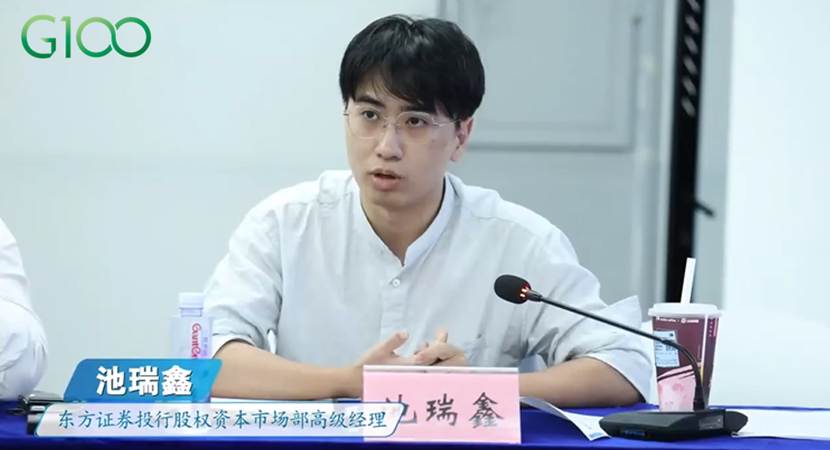
Chi Ruixin, Senior Manager of Equity Capital Markets, Investment Banking Division at Orient Securities, analyzed the unique value of the Hong Kong stock market as a “bridgehead” for the automotive industry chain’s global expansion. He argued that it not only broadens financing channels but also helps attract international strategic capital, enhancing global valuation recognition of China’s automotive industry.
4. Going Global Super Platform (G100)
The global expansion of China’s automotive and supply chain enterprises faces multiple challenges, including complex localized layouts, difficulties in adapting technical architectures, stringent and inconsistent quality/product standards, complex regulatory requirements, data compliance, intellectual property issues, and policy barriers.
To achieve better global connectivity and support the global expansion of China’s automotive industry, China EV100 has joined hands with multiple institutions to build the “Going Global Super Platform (G100)” as a carrier for promoting global cooperation.
Through the G100, it connects China’s abundant and large-scale new energy vehicle supply chain resources and professional, intelligent service systems; on the other hand, it links partners from different countries to achieve supply-demand matchmaking across multiple dimensions (value systems, service systems, data, finance, testing and certification, etc.). This not only promotes China’s automotive industry to go global but also improves the efficiency of global automotive industry cooperation.


