


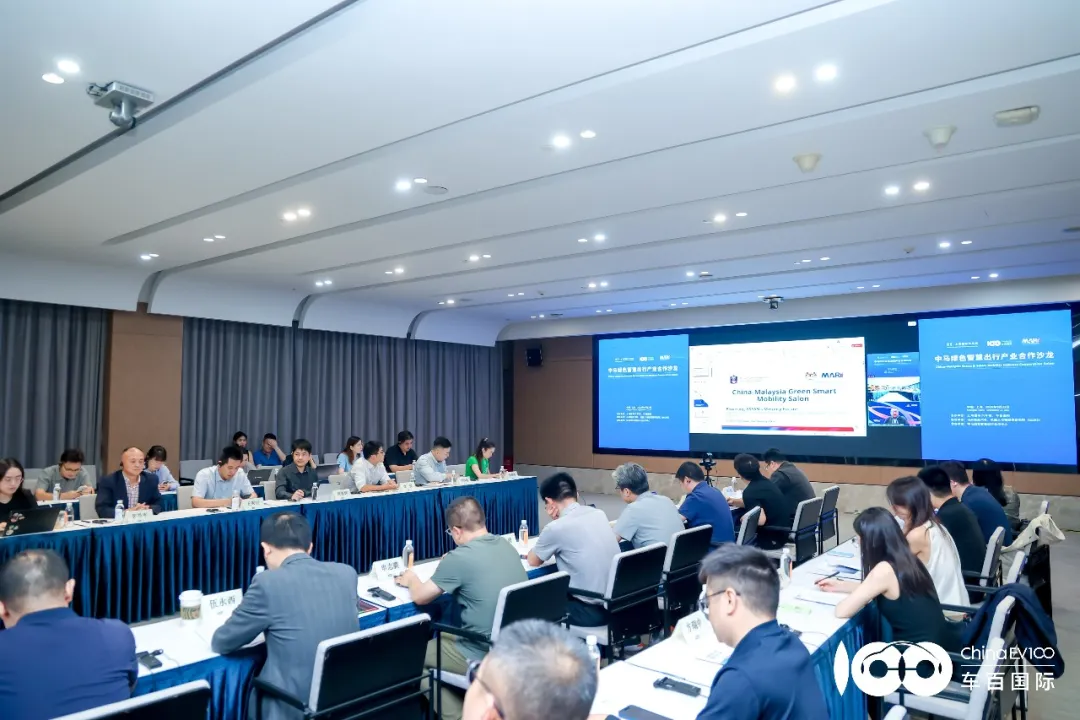
On September 22, 2026, the China-Malaysia Green and Smart Mobility Industry Cooperation Salon was successfully held at the Automotive Innovation Park in Jiading, Shanghai. The salon was co-hosted by China EV100 and Shanghai International Automobile City, co-organized by the Malaysia Automotive, Robotics and IoT Institute (MARii), and undertaken by the China-Malaysia Green and Smart Mobility Cooperation Center.
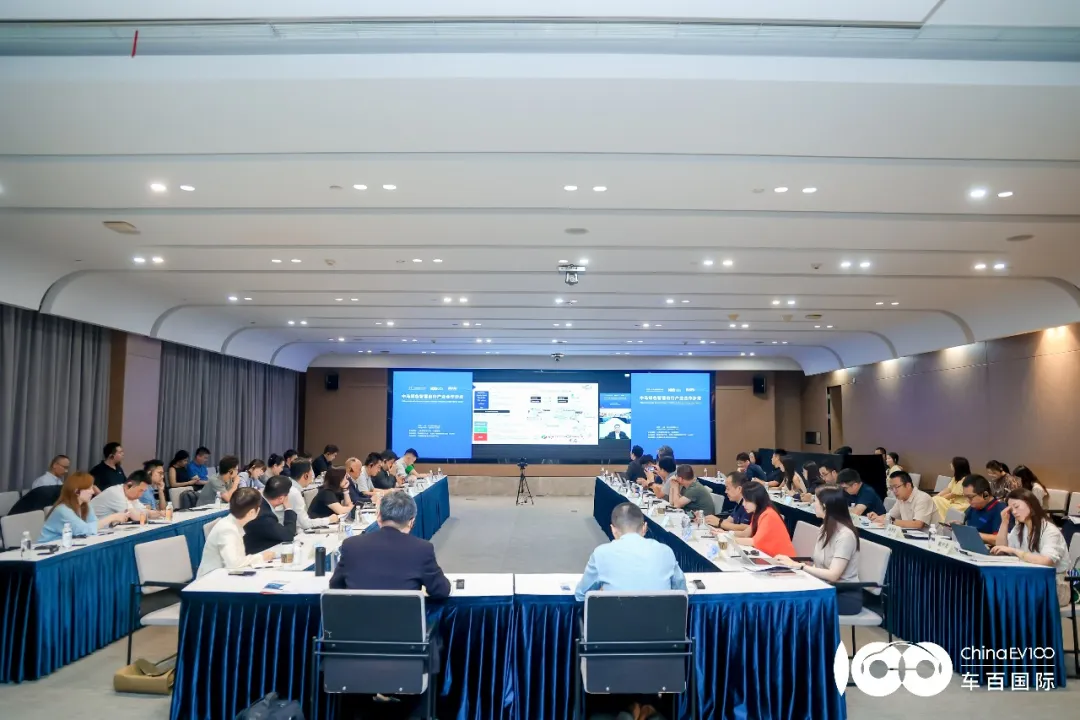
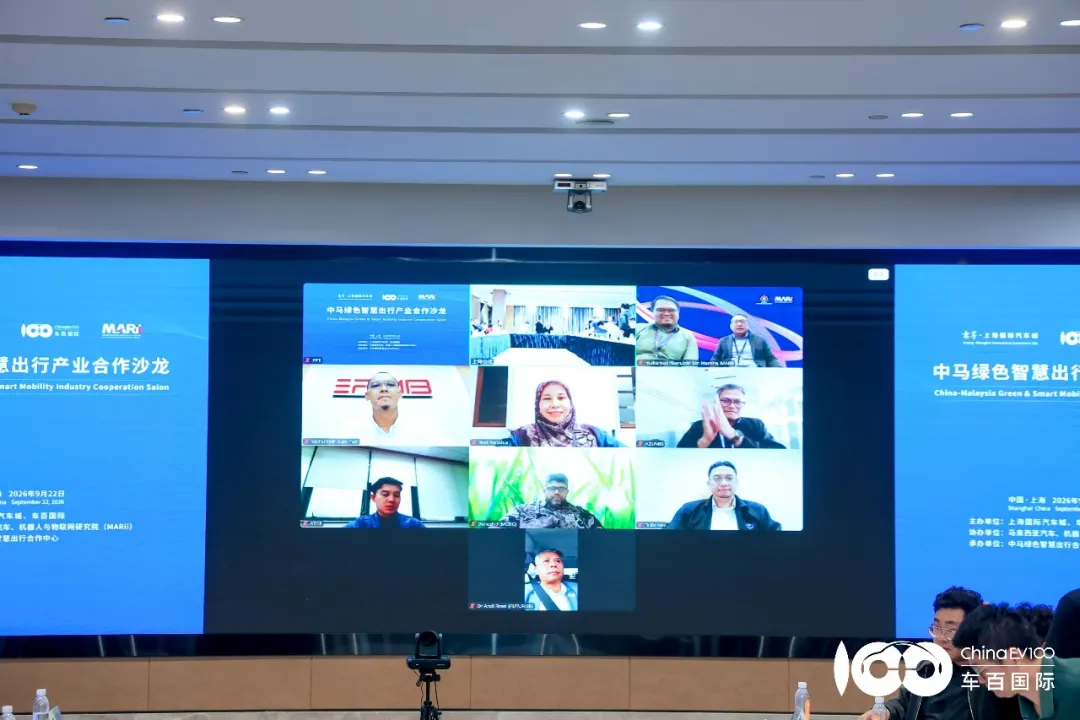
The salon held in-depth discussions on two major topics: energy transition and integrated solar-storage-charging, and smart mobility and digital transformation. Conducted in a combined online and offline format, it systematically outlined the panorama of China-Malaysia green and smart mobility industry cooperation and officially launched the China-Malaysia Green and Smart Mobility Industry Cooperation Week, building a higher-standard practical platform for in-depth matchmaking between enterprises of the two countries.
The salon brought together core forces in the green and smart mobility sector from both China and Malaysia. The Malaysian lineup online covered five dimensions: government authorities, technological innovation institutions and demonstration parks, leading vehicle manufacturers, energy infrastructure, and core supply chain, with nearly 30 Malaysian enterprises and institutions participating online — from government and industry promotion agencies such as the Malaysia Automotive, Robotics and IoT Institute (MARii), the Malaysia Digital Economy Corporation (MDEC), Cyberview (the developer and operator of Cyberjaya), Futurise (the national regulatory sandbox operator), and the Selangor Information Technology and Digital Economy Corporation (Sidec), to the two major local vehicle brands Proton and Perodua, to energy and infrastructure leaders such as the national utility TNB, the largest highway operator PLUS, infrastructure service provider UEM Edgenta, and the national telecommunications company Telekom Malaysia, as well as 16 supply chain enterprises covering auto parts, new energy storage, smart manufacturing, and digital technology, forming a complete industrial ecosystem map. Officials from Malaysia's Ministry of Entrepreneur and Cooperatives Development (MECD) participated online throughout, reflecting the Malaysian government's high regard for the event.
The Chinese lineup offline covered the full chain of enterprises in vehicles and supply chains, power batteries and charging infrastructure, intelligent driving and intelligent cockpits, semiconductors and core components, and mobility services and the aftermarket, and also brought together ecosystem service partners such as industry associations, inspection and certification bodies, legal services, and financial institutions, as well as industry promotion platforms including the Global Economic Development Alliance and the National Automotive Foreign Trade Transformation and Upgrading Base, with more than 70 guests attending.
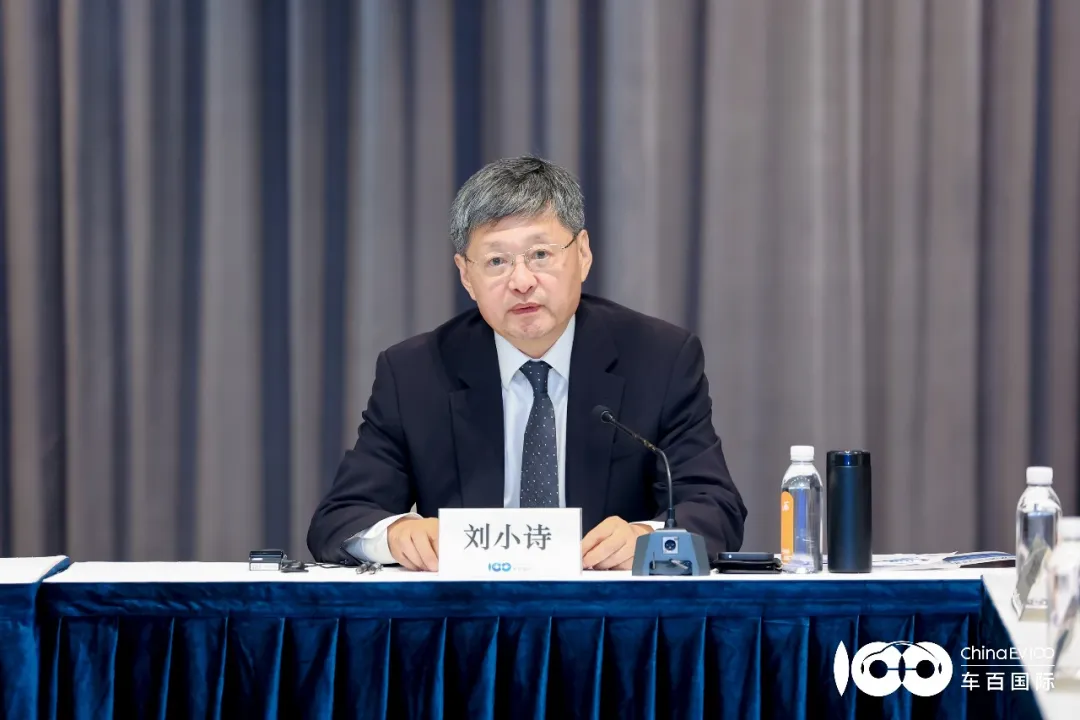
Liu Xiaoshi, President of China EV100, moderated the salon and delivered introductory remarks. Relevant heads of Shanghai International Automobile City attended and introduced the industrial ecosystem of the Automobile City. Mr. Nizam, Chief Operating Officer of the Malaysia Automotive, Robotics and IoT Institute (MARii), shared the strategic framework and cooperation directions for the green and smart mobility transition from the perspective of Malaysia's national industrial policy, and jointly launched the China-Malaysia Green and Smart Mobility Industry Cooperation Week with Yao Xiaorong, Senior Vice President of China EV100.
01 ONE
Malaysia Is a Key Strategic Pivot for China's Automotive Industry Layout in Southeast Asia
Participants agreed that, against the backdrop of accelerating electrification, intelligentization, and internationalization in the global automotive industry, ASEAN is becoming one of the fastest-growing and most dynamic regional markets for new energy vehicles. For Chinese companies expanding into Southeast Asia, Malaysia's strategic value is particularly prominent.
First, strategic location. Malaysia is located at the center of Southeast Asia, reaching the ASEAN market of more than 600 million people. It is both an important destination market and a hub radiating across the entire ASEAN region.
Second, industrial foundation. Malaysia has a mature automotive manufacturing base and a well-established supply chain system, with local brands such as Proton and Perodua having accumulated deep manufacturing experience. At the same time, Malaysia is an important node in the global semiconductor supply chain, and this advantage becomes even more prominent in the era of smart mobility.
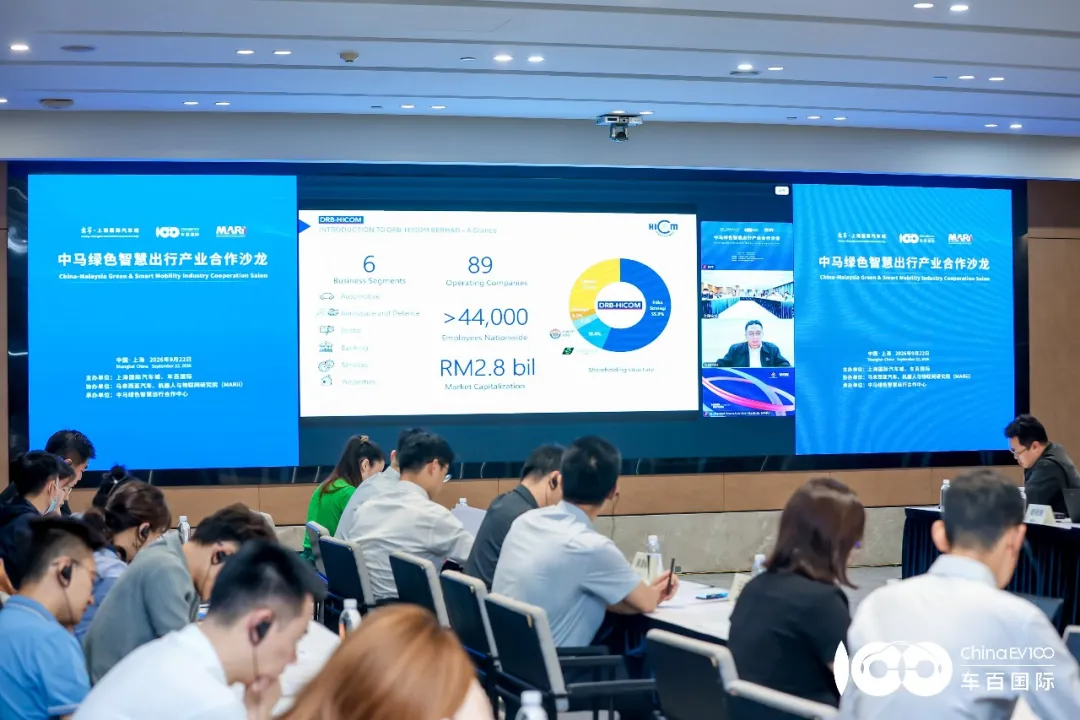
Third, transformation determination. Malaysia is accelerating its transition toward green and smart mobility through top-level design including the National Automotive Policy (NAP), the national AI plan (AI Malaysia), and the Cyberjaya autonomous driving test zone. From energy transition to smart mobility, from the digital economy to the semiconductor supply chain, Malaysia's industrial planning is highly compatible with the technological strengths of Chinese companies.
Participants unanimously agreed that when entering a new market, the real difficulty is often not seeing opportunities, but judging whether they are real, finding the right partners, and translating cooperation step by step into projects. This is precisely the starting point for holding this salon and building a long-term cooperation platform in Malaysia. In May 2026, China EV100 launched the China-Malaysia Green and Smart Mobility Industry Cooperation Center in Kuala Lumpur, aiming to create a regular industrial cooperation platform serving Chinese and Malaysian enterprises and radiating across the ASEAN market, and to promote a long-term, mutually beneficial cooperation model between China and Malaysia in the green and smart mobility sector.
02 TWO
Broad Space for Cooperation in Energy Transition and Integrated Solar-Storage-Charging
The first thematic discussion focused on energy transition and integrated solar-storage-charging. Participants exchanged views on core scenarios such as grid energy storage, commercial energy storage, and charging networks along highways in Malaysia, breaking down actionable practical directions from technical solutions and business models to localization cooperation pathways. Malaysian guests shared the policy framework and pace of Malaysia's energy transition, while Chinese companies introduced integrated solar-storage-charging technical solutions and practical implementation experience in Southeast Asia.
The discussion concluded that Malaysia is in the early stage of charging infrastructure construction, with urgent demand in areas such as highway charging networks, urban public charging systems, and integrated solar-storage-charging energy stations. The mature experience of Chinese companies in charging technology, energy storage solutions, and engineering construction is highly compatible with Malaysia's market demand. Integrated solar-storage-charging-vehicle is not a simple assembly of equipment, but a systematic upgrade of the energy replenishment system, particularly suited to the relatively weak grid infrastructure in emerging markets such as Malaysia. Enterprises from both sides held thorough exchanges on specific scenarios and technical pathways, laying the foundation for subsequent precise matchmaking.
03 THREE
Deep Cooperation Potential in Smart Mobility and Digital Transformation
The second thematic discussion focused on smart mobility and digital transformation. Four Malaysian institutions introduced their respective layouts, distinctive resources, and cooperation needs in areas such as digital economy investment, autonomous driving test scenarios, innovative regulatory sandboxes, and semiconductors and venture capital, drawing widespread interest from Chinese companies. Chinese companies also shared their overseas expansion practices in intelligent connected technology, covering directions such as intelligent driving solutions, intelligent cockpits and connected vehicles, and automotive cloud services and AI empowerment. The two sides held in-depth discussions on frontier tracks including vehicle intelligentization, connected vehicles, smart transportation, the digital economy, and semiconductor supply chain collaboration.
The discussion concluded that Malaysia has unique resource endowments in the smart mobility sector. For example, the Cyberjaya autonomous driving test zone provides real-world scenarios for technology validation, the national regulatory sandbox offers flexible channels for innovative technology access, and the semiconductor industry base supports the supply of core components for intelligent vehicles. For Chinese intelligent connected enterprises, Malaysia is not only a market for product export, but also an important platform for joint technology R&D, scenario validation, and regional cooperation.
04 FOUR
Supply Chain Upgrading and Deep Localization Cooperation Are the Core Theme
The two thematic discussions pointed to the same core direction: supply chain upgrading and deep localization cooperation are the main theme of China-Malaysia green and smart mobility industry cooperation. Participants agreed that both sides have broad cooperation space, whether in the localization of charging equipment and energy storage products in the energy transition field, or in the collaboration of intelligent components and semiconductor supply chains in the smart mobility field.
Enterprises interested in participating in subsequent in-depth exchanges and matchmaking may register for the October Cooperation Week. We will include enterprise information from both sides in the matchmaking resource database and advance targeted matchmaking.
05 FIVE
October China-Malaysia Green and Smart Mobility Industry Cooperation Week Officially Launched
The most important outcome of this salon was the official launch of the China-Malaysia Green and Smart Mobility Industry Cooperation Week. The Cooperation Week will be held in Shanghai from October 26 to 30, 2026, co-hosted by China EV100, Shanghai International Automobile City, and the Malaysia Automotive, Robotics and IoT Institute (MARii) under Malaysia's Ministry of International Trade and Industry, and specifically organized and implemented by the China-Malaysia Green and Smart Mobility Cooperation Center. As a regular cooperation platform, the China-Malaysia Green and Smart Mobility Cooperation Center will continue to deliver policy and market information, connect industrial resources, and track the implementation of key projects, helping enterprises go global, enter markets, and take root.
With the core concept of "Pivot, Transformation, Long-Term," the Cooperation Week will build a complete cooperation chain from high-level discussion to project implementation: high-level forums releasing policy signals and market judgments, strategic dialogues focusing on key industry directions and cooperation mechanisms, and enterprise visits and precise matchmaking driving concrete project implementation. Enterprises participating will gain four major values: more accurate policy and market assessments, Malaysian partners matched to their needs, direct communication opportunities around specific scenarios and projects, and continued project follow-up services after the event.
During the Cooperation Week, the Malaysian delegation will also visit Shanghai Automobile City and the Yangtze River Delta industrial ecosystem, conducting face-to-face closed-door matchmaking and one-on-one meetings with Chinese enterprises. At present, a number of leading Malaysian vehicle manufacturers, energy infrastructure companies, and supply chain enterprises have confirmed their participation as a group and will bring real cooperation needs to China for matchmaking.
Going forward, China EV100 will continue to leverage its advantages as an industry think tank and platform, working together with Shanghai International Automobile City and Malaysian partners to steadily deepen China-Malaysia green and smart mobility industry cooperation, help Chinese enterprises efficiently explore the Malaysian and broader ASEAN markets, and jointly achieve technology co-creation, industrial co-building, resource interconnection, and mutual benefit.


