


March 28-30, 2025—The China EV100 Forum 2025, themed “Strengthening Electrification and Advancing Intelligence for High-Quality Development”, was successfully held in Beijing. Over the three-day event, the forum gathered key government, industry, academic, and research stakeholders from home and abroad (see attached participant list) for in-depth discussions on pressing industry topics. They delivered valuable insights and outcomes, providing key guidance and new perspectives for the global automotive industry’s transformation.
16 Sessions Facilitate In-Depth Exchange
The forum featured 16 sessions: 1 high-level forum, 1 international forum, 1 council meeting, 1 global policy roundtable, and 12 thematic forums, drawing over 5,000 on-site participants.
In March 29, the high-level forum, themed “Strengthening Electrification and Advancing Intelligence for High-Quality Development,” examined mechanisms and policies for high-quality industrial growth. In March 28, the international forum, centered on “Accelerating the Global Transition to Automotive Electrification & Fostering Win-Win Cooperation,” brought experts together to address goals and strategies for the global EV transition.
Parallel sessions—such as the Council Meeting, Global Policy Roundtable, and 12 thematic forums focusing on integrated vehicle-road-cloud development, ICV, aggregated Intelligence, power batteries, commercial vehicles, and other frontier fields—all centered on high-priority, forward-looking themes, offering a multifaceted platform for dialogue.
Dozens of Research Outcomes Released to Push Industry Development
The forum saw the release of numerous research outputs, including 14 research projects and over 40 research reports, providing participants with in-depth industry insights.
Key releases included the Report on Collaborative Development of Vehicle-Road-City and Benchmark Cases (2024), forecasting 2025 as an acceleration period for “vehicle-road-cloud integration” with intelligent connected vehicles entering large-scale commercial use.
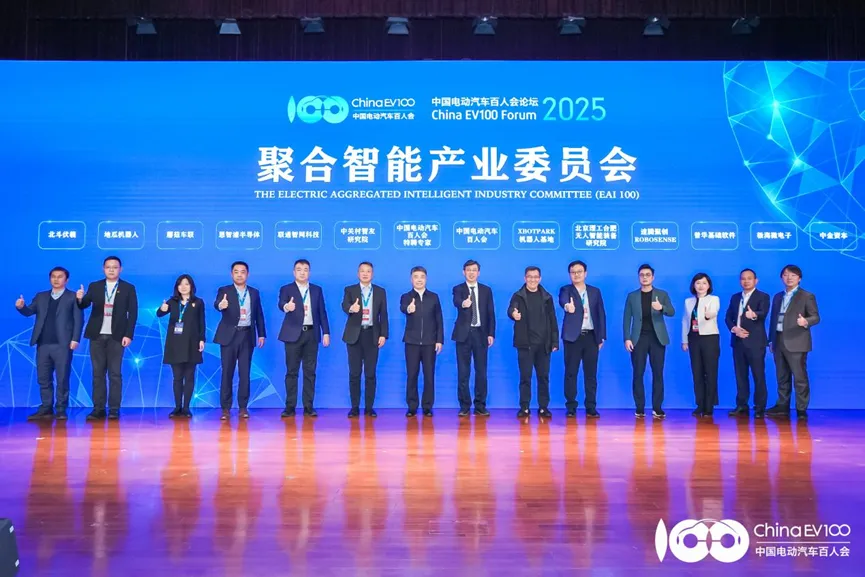
Also, the EV100plus released the Technology Homology, Underlying Interconnection, Application Integration—Integration-driven Intelligent Industry Development Report (2024). Concurrently, the Electric Aggregated Intelligent Committee (EAI 100) was officially launched, dedicated to enhancing synergy among three key industries—smart vehicles, low-altitude flight, and humanoid robots—via technology sharing, scenario integration, and ecosystem cooperation.
Regulatory Authorities Outline Key Policy Priorities
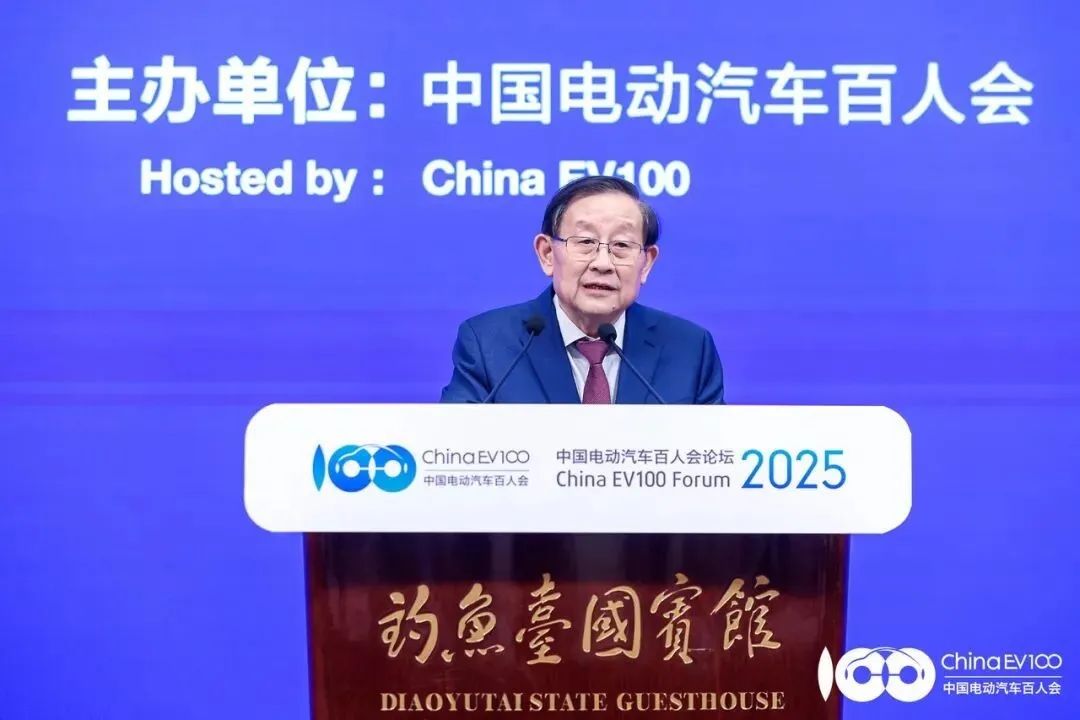
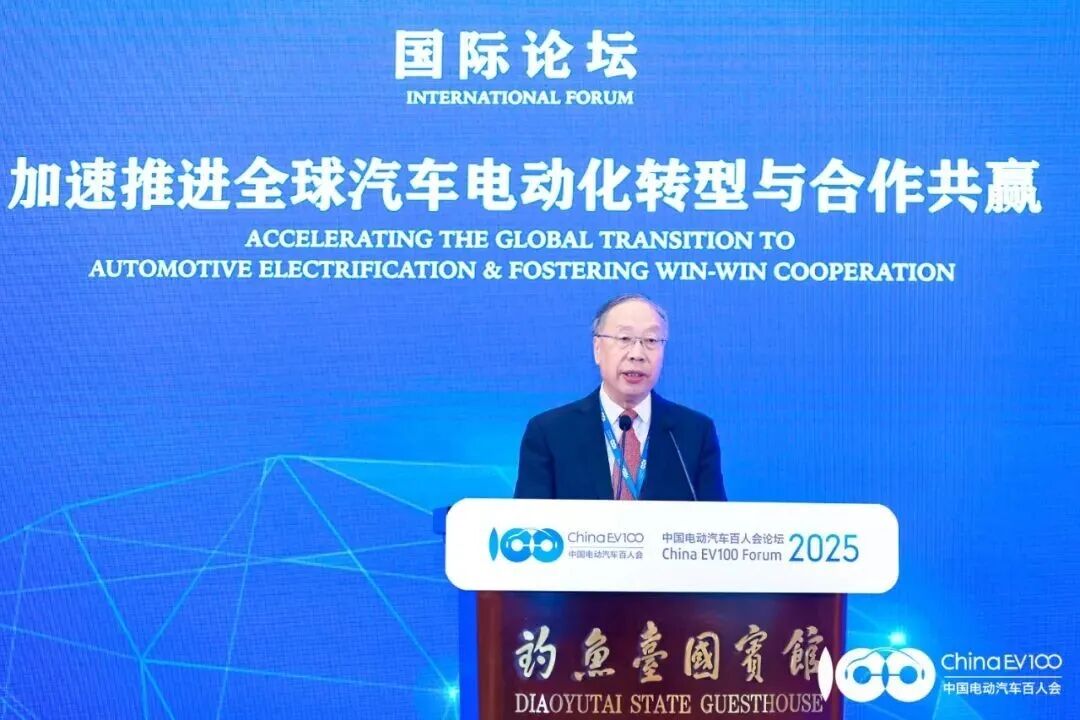
During the forum, government officials from relevant departments outlined future policy priorities, spanning technological innovation, market promotion, infrastructure development, and industry ecosystem optimization. Wan Gang, Chairman of the China Association for Science and Technology, emphasized shifting focus from product intelligence to industrial intelligence. He stressed advancing in-depth AI development to build cloud computing platforms integrated with vehicles, enabling aggregated intelligence in intelligent connected vehicles.
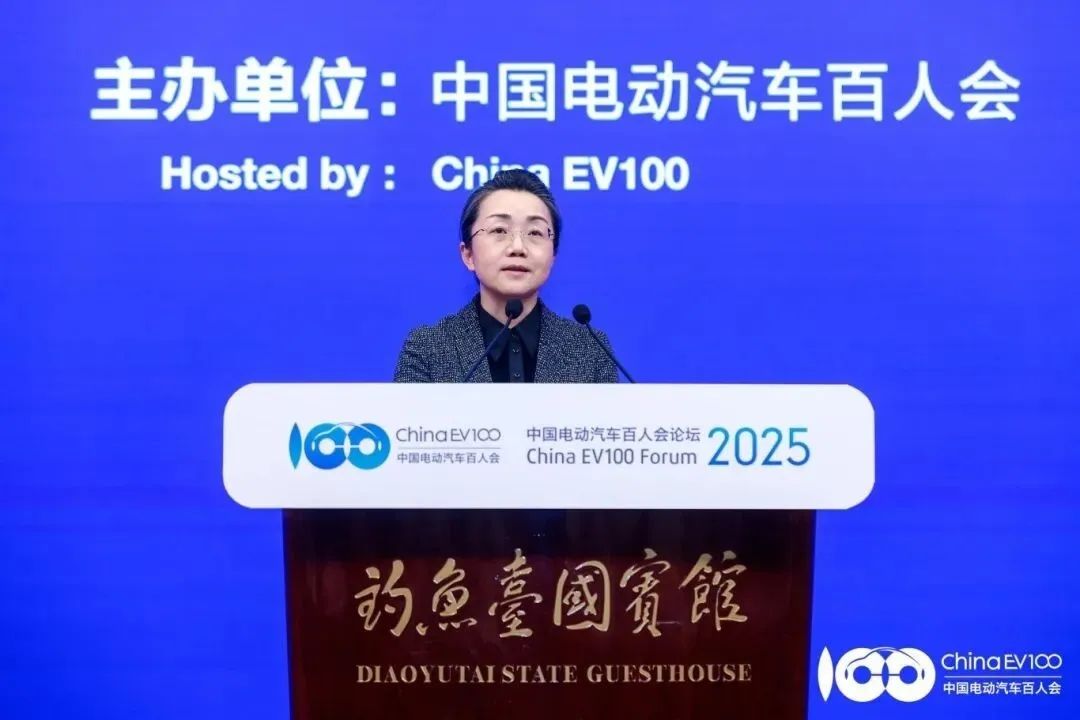
Zheng Bei, Deputy Director of the National Development and Reform Commission, stated the commission will strengthen NEVs’ technological foundation, support industrial chain innovation (encompassing OEMs, power batteries, actuation systems, chassis, and intelligent driving), accelerate solid-state battery R&D and high-level autonomous driving pilots, and boost the supply capacity of automotive chips and operating systems.
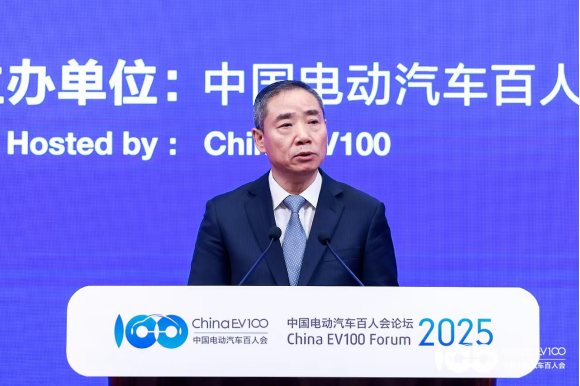
Xin Guobin, Vice Minister of Industry and Information Technology (MIIT), urged the industry to prioritize four key transitions: from scale-focused growth to balanced scale and efficiency; from applied tech innovation to foundational tech breakthroughs; from a standalone automotive sector to cross-industry integration; and from pure product sales to full lifecycle service enhancement.
Qin Haixiang, Vice Minister of Ministry of Housing and Urban-Rural Development, noted the ministry will continue promoting coordinated development of smart city infrastructure and intelligent connected vehicles. This involves formulating national standards for urban road intelligent infrastructure, advancing vehicle-road-cloud integration pilots, and expanding intelligent connected vehicles’ urban application scenarios.
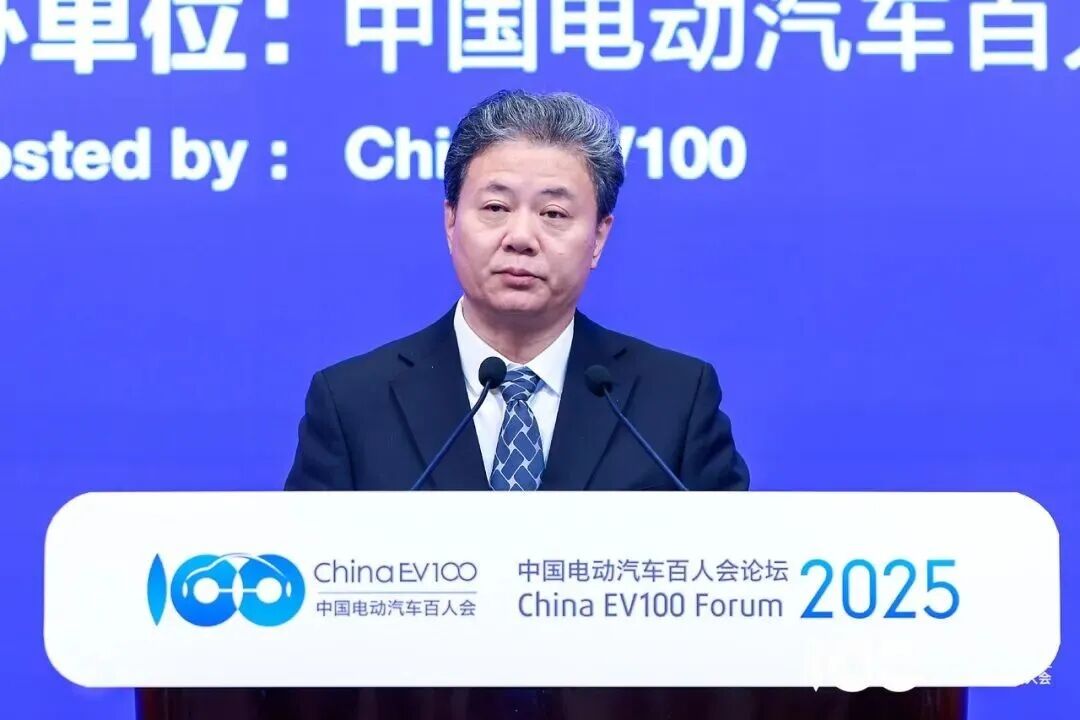
Sheng Qiuping, Vice Minister of Ministry of Commerce, outlined 2025 plans, including organizing nationwide events—such as automotive consumption festivals, auto culture festivals, and NEV promotion campaigns—to speed up the rollout of suitable NEV models and bridge NEV adoption gaps in rural and county regions.
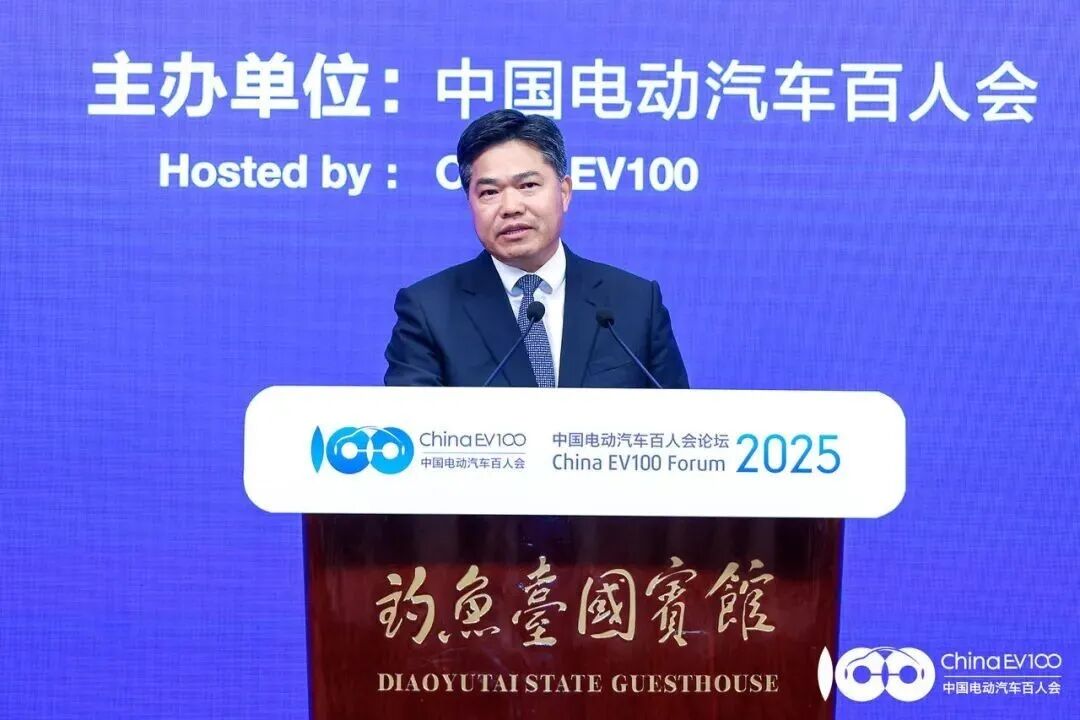
Gou Ping, Deputy Director of the State-owned Assets Supervision and Administration Commission of the State Council, affirmed it will firmly promote intelligent connected NEVs as a core strategic emerging industry for Chinese central SOEs. Initiatives include launching the “Central SOEs Industrial Renewal—NEV Layout and Development Action Plan” and optimizing policies to support industrial restructuring and layout upgrading.
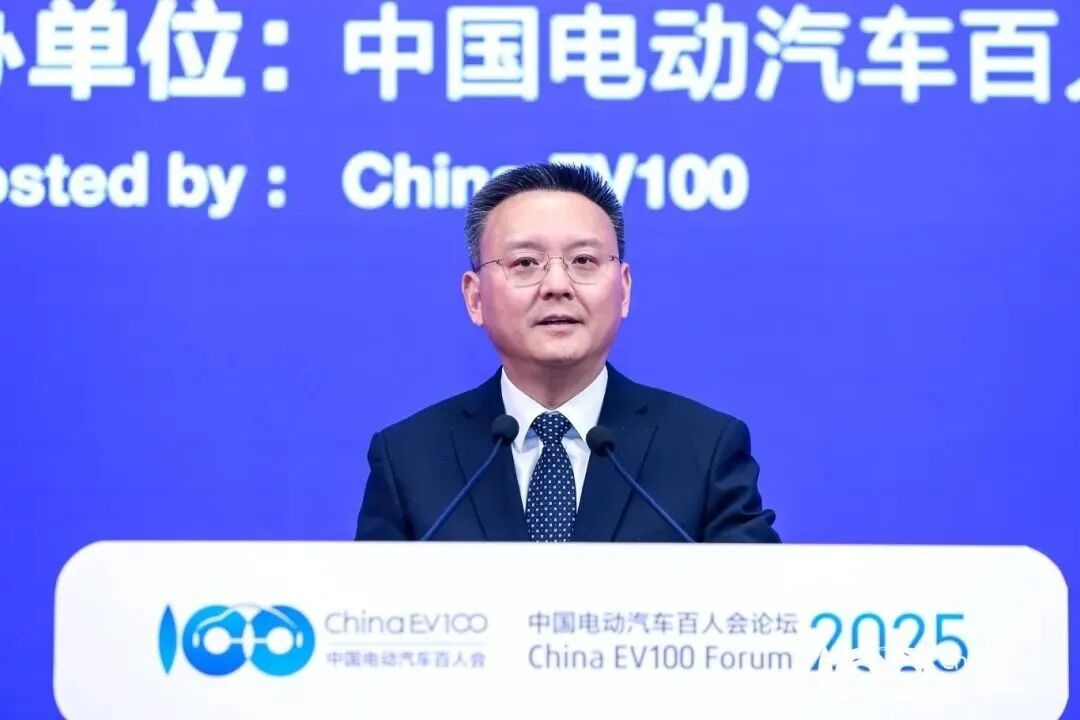
Huang Xuenong, Director General of the National Energy Administration (NEA), emphasized the need to coordinate vehicle and charging infrastructure development. He noted the charging market is still nascent, plagued by homogenization and low-price competition, and the NEA will focus on improving service quality and nurturing a healthy, high-quality industry ecosystem.
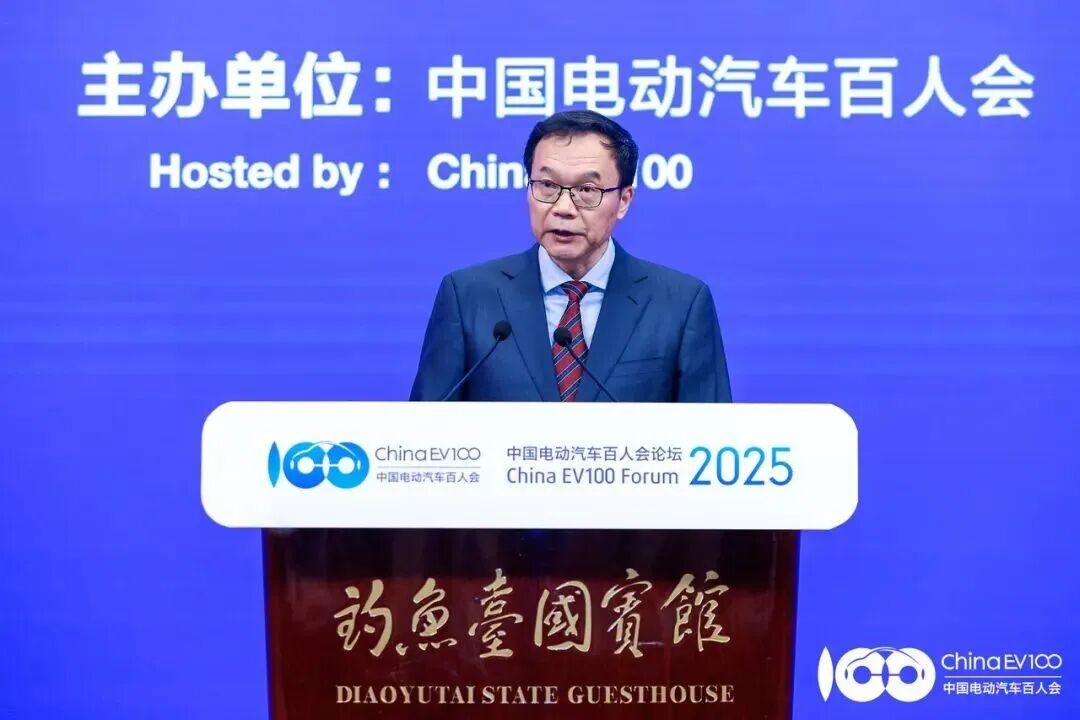
Su Bo, former MIIT Vice Minister and former Deputy Secretary of its Party Leadership Group, Deputy Director of the 13th CPPCC National Committee’s Economic Affairs Committee, noted China’s NEV sector has entered a demand-driven, fully market-oriented phase. Accelerating the fuel-to-electric vehicle transition is now imperative. He proposed authorities promptly formulate policies to support fuel vehicle manufacturers in speeding up electrification, while facilitating NEV capacity expansion via mergers, restructuring, shareholding reforms, and asset acquisitions.
Academic Experts Offer Insights to Guide Industry Development
“China’s automotive intelligent development has outpaced industry expectations. In H1 2024, the penetration rate of L2+ advanced driver-assistance systems (ADAS) in new passenger vehicles exceeded 55%, and basic intelligent functions are expected to become standard across all new passenger cars in the coming years,” said Chen Qingtai, Chairman of the China EV100. He stressed the need to firmly advance NEVs, prioritize technological innovation—especially accelerating R&D and industrialization of all-solid-state batteries—improve supporting systems (charging infrastructure, financial services, maintenance, used-car trading, battery recycling), promote NEV integration with clean energy, and enhance service systems for both “going global” and “bringing in”.
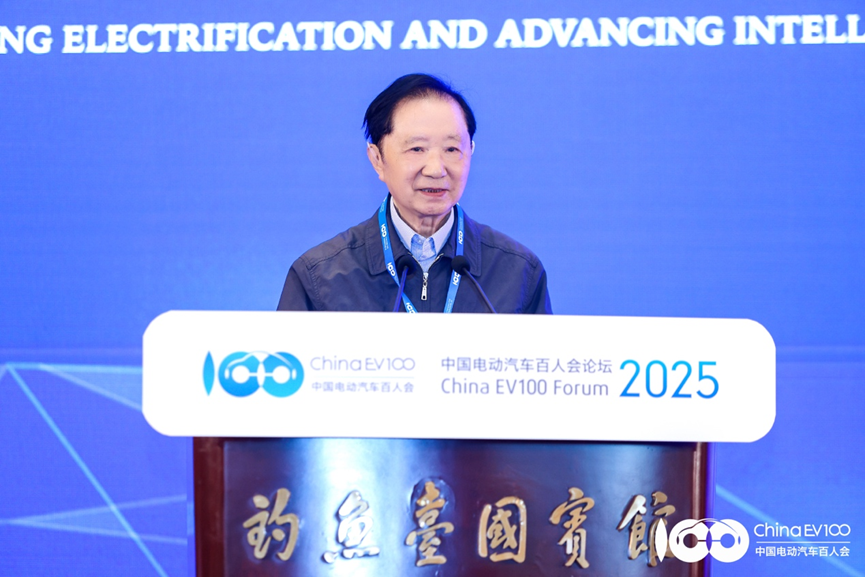
At the China EV100 Council Meeting and Policy Seminar, Ouyang Minggao, Vice Chairman of the China EV100 and Academician of the Chinese Academy of Sciences (CAS), predicted that 2030 may kick off a phase of China’s new energy revolution. Over the next 10-30 years, five trillion-yuan industries are expected to emerge: new energy infrastructure, NEVs, comprehensive transportation electrification, smart zero-carbon energy systems, and green hydrogen energy.
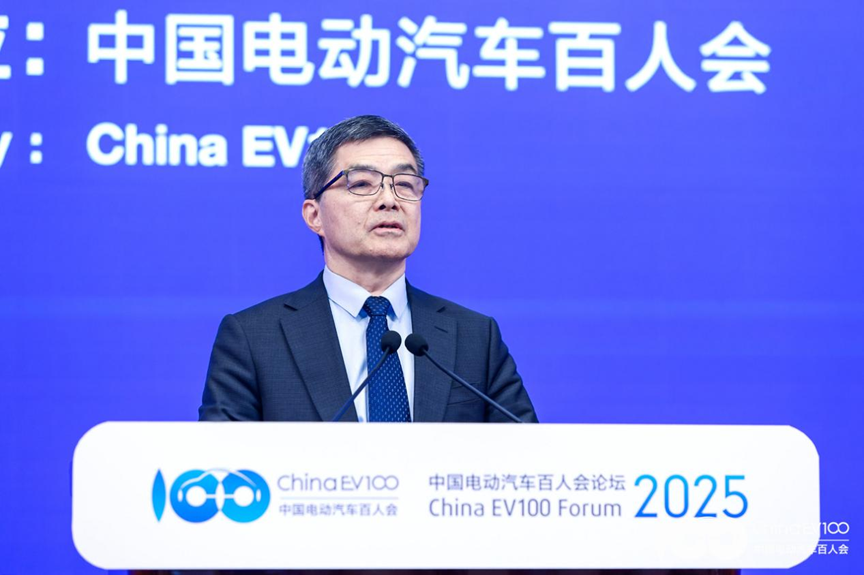
“While the automotive industry faces unprecedented challenges in globalization, the foundation for supply chain collaboration remains resilient,” said Zhang Yongwei, Vice Chairman and Secretary-General of the China EV100. He noted that global supply chain cooperation is strengthening, and regionalized industrial clusters have not altered the trend of integration and mutual growth in the automotive supply chain. Therefore, building a mutually integrated supply chain system is crucial for advancing global NEV cooperation.
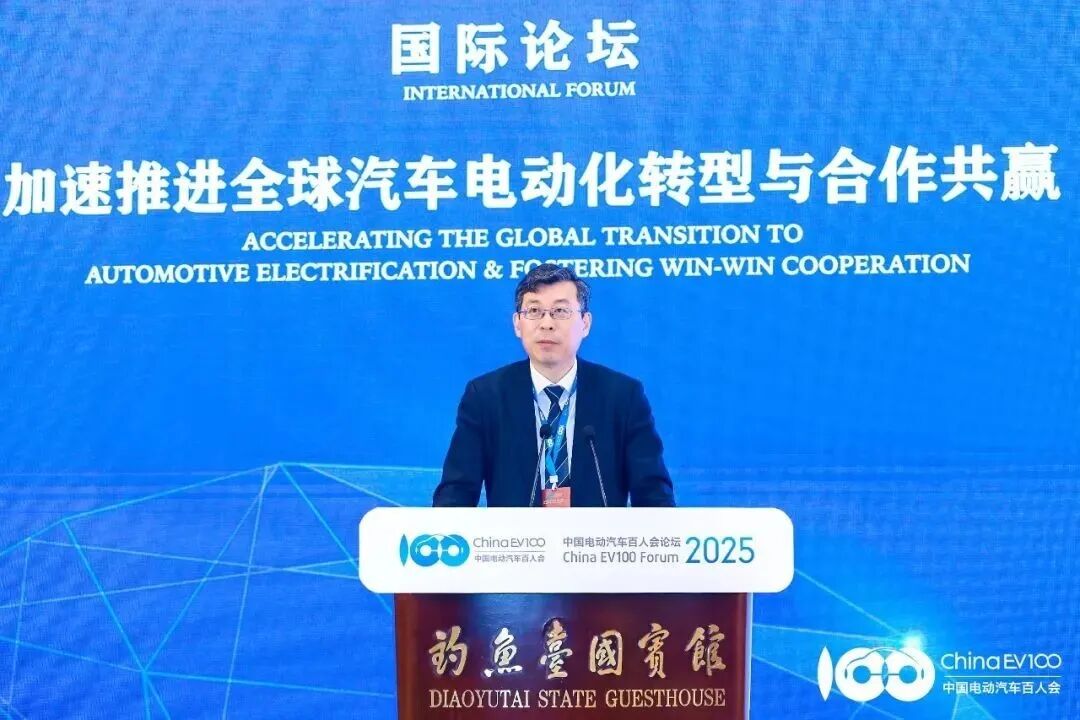
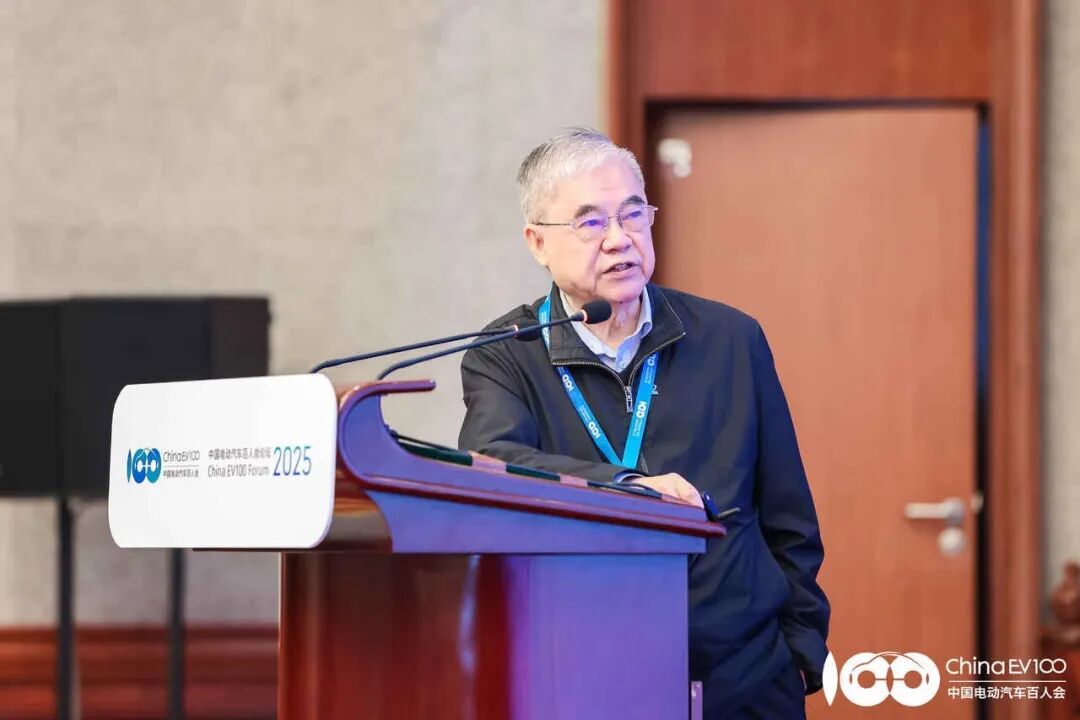
“Intelligent vehicle is the foundation of smart transportation, but it has limitations,” remarked Wu Hequan, Academician of the Chinese Academy of Engineering. He pointed out that data is key to vehicle-road-cloud integration, yet current global computing power is insufficient to meet the demands of intelligent transportation. Wu offered several recommendations covering data processing, AI agent applications, and network development, providing comprehensive and forward-looking insights for integrated vehicle-road-cloud advancement.
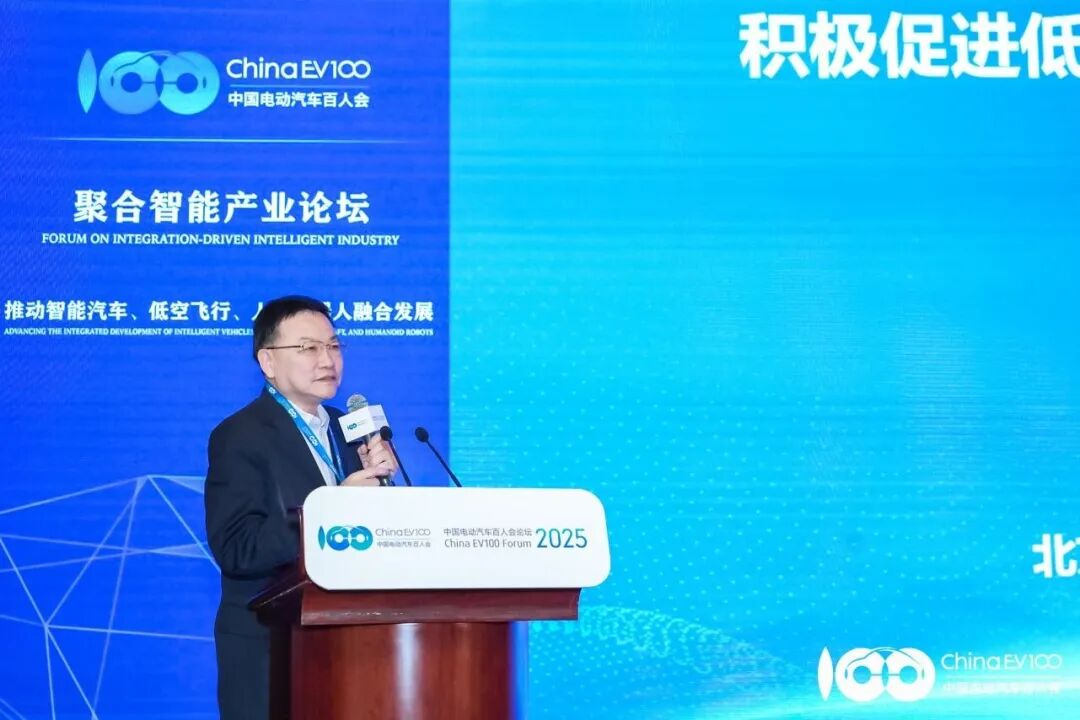
“In my view, the true goal of the low-altitude economy is to produce unmanned aircraft accessible to everyone and unmanned flight services available to every household. Achieving this goal requires parallel efforts in both flying cars and drones,” said Cheng Chengqi, Professor at Peking University. “I look forward to a future where vehicles and flight vehicles integrate seamlessly, revolutionizing daily mobility.”
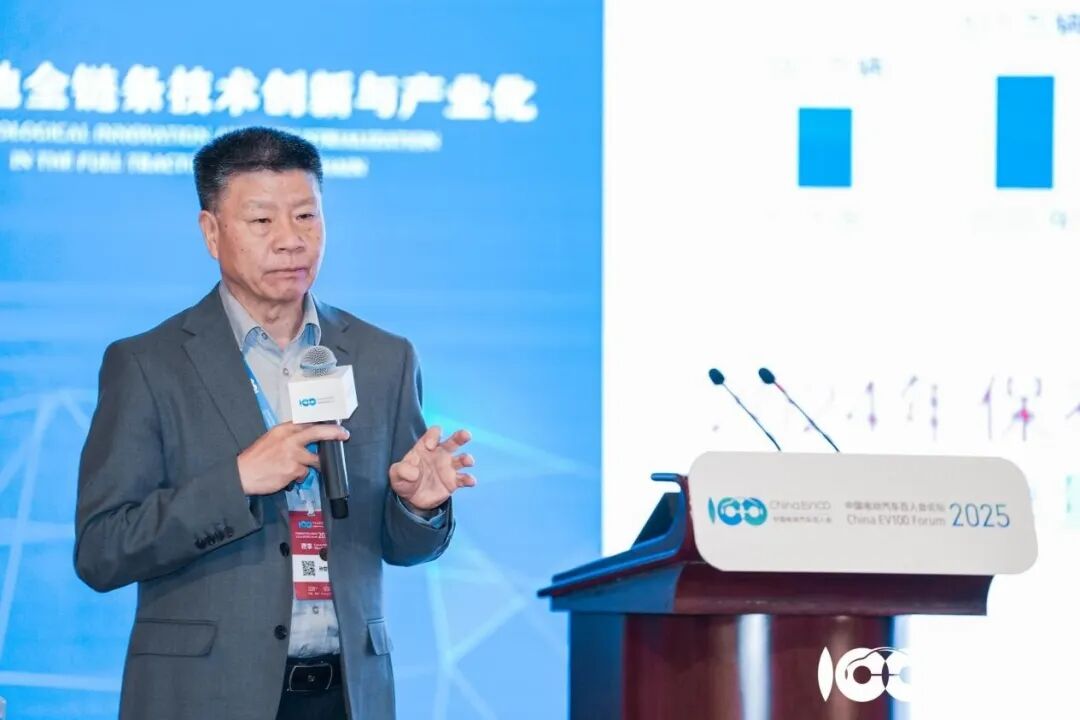
Sun Shigang, CAS Academician and Professor at Xiamen University, emphasized that the current NEV industry is defined by “lithium batteries as the mainstay, hydrogen energy on the rise.” He noted that fuel cells—boasting higher energy density and longer driving range—hold distinct advantages in the commercial vehicle sector.
These perspectives not only outline directions for industrial development but also provide valuable references for policy formulation and technological research.
Automotive Leaders Discuss Intelligence, AI, and the Low-Altitude Economy
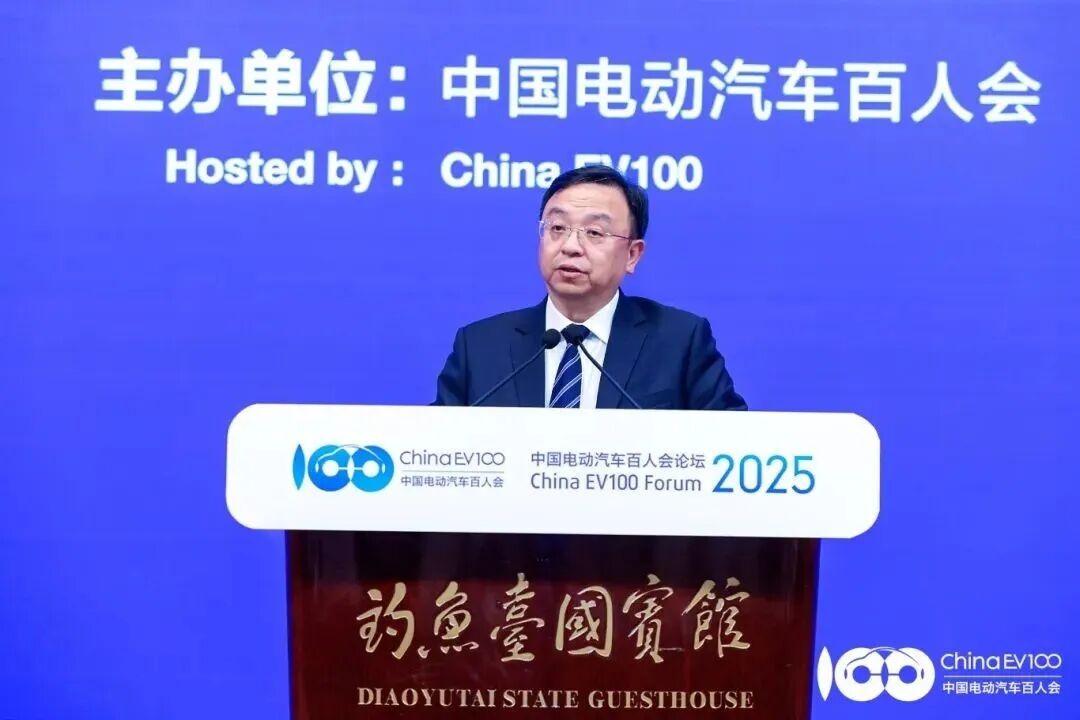
“The vehicle transition to intelligence is accelerating,” stated Wang Chuanfu, Chairman and President of BYD, emphasizing that while NEV adoption was traditionally the key metric, advanced intelligent driving has now become the new driving force for the industry’s high-quality development this year.
Yin Tongyue, Chairman of Chery, noted that the waves of electrification, intelligence, and AI are aggravating global competition. Chery is transitioning from vehicle exports to overseas R&D and manufacturing, seeking full integration and collaboration in the global ecosystem.
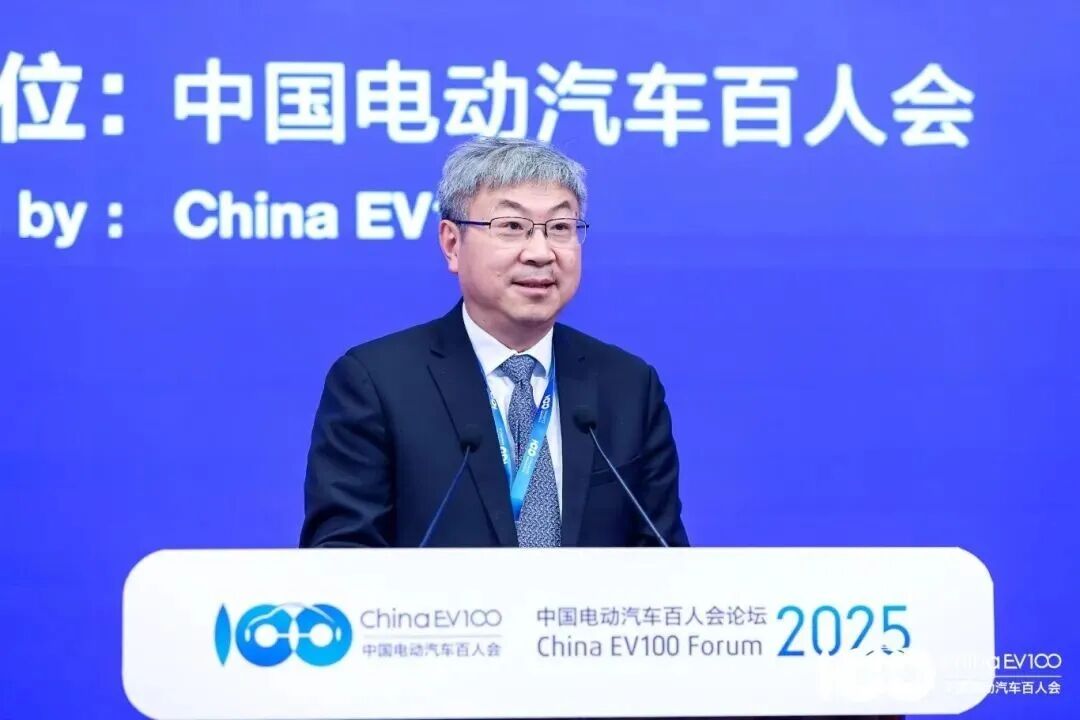
AI and the low-altitude economy were frequent highlights at the forum, emerging as key topics second only to intelligence.
“The car of the future will develop into an intelligent vehicle-robot,” said Deng Chenghao, Vice President of Changan and CEO of Deepal. He pointed out that with the rise of flying cars and autonomous driving relevant regulations and standards require urgent refinement.
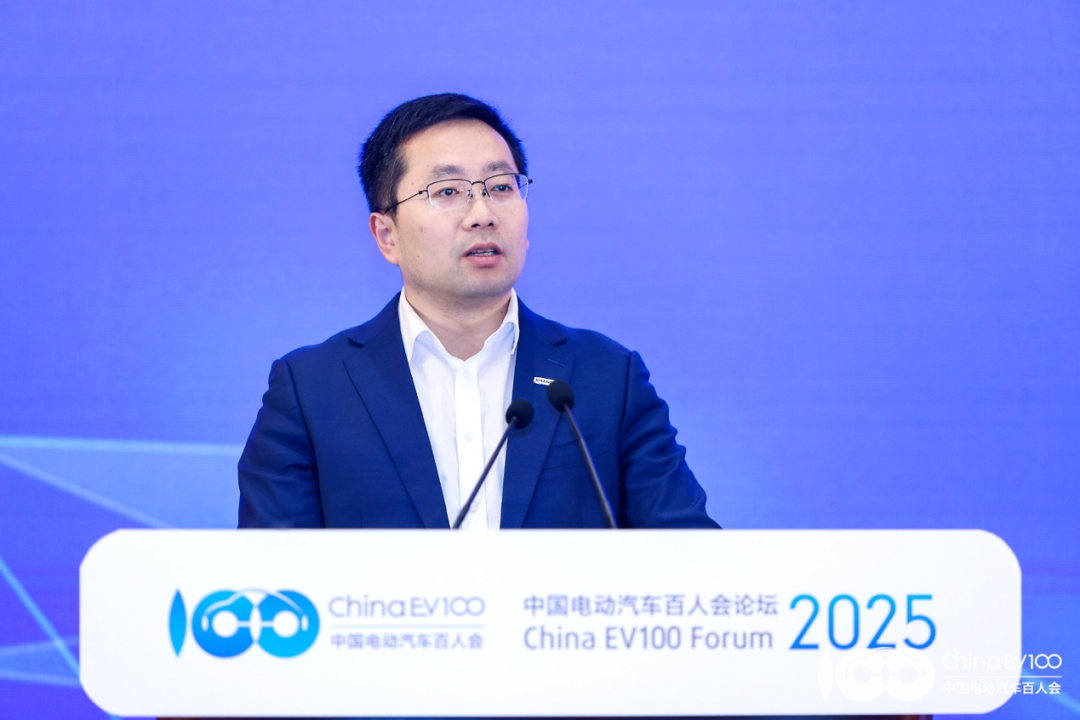
“Without intelligent driving capabilities, there is no ticket to future competition,” remarked Gao Rui, Deputy General Manager of GAC Group. He observed that new transportation is breaking traditional industry boundaries. Emerging fields like eVTOL and humanoid robots—sharing technology, supply chains, and processes with intelligent NEVs—are building an integrated ecosystem with a potential market exceeding RMB 10 trillion.
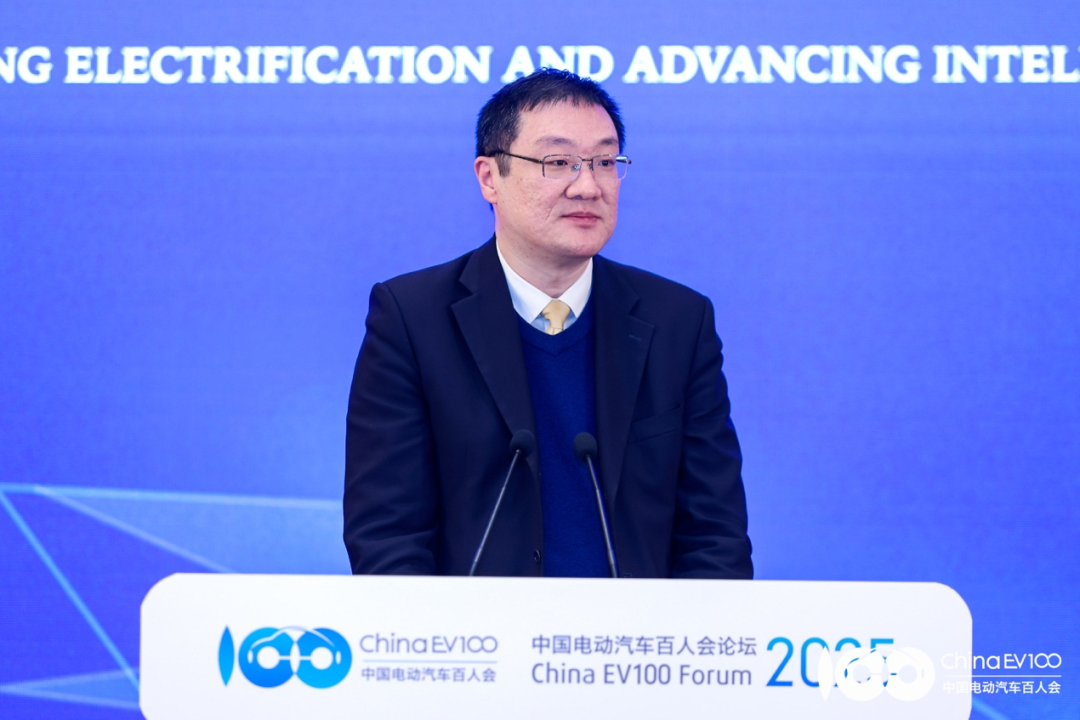
Gan Jiayue, CEO of Geely, stressed that safety is the bottom line for technological development. “Intelligent driving without safety is merely a castle in the air,” he said, emphasizing that only a solid foundation in intelligence and AI can ensure safety for every journey.
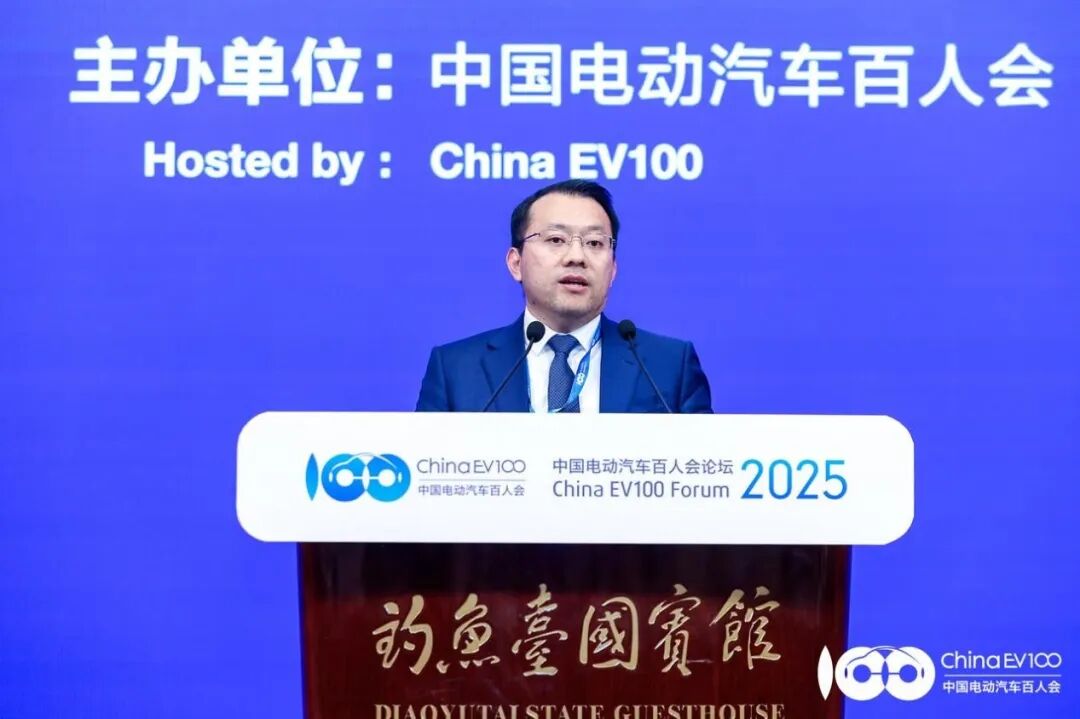
He Xiaopeng, Chairman and CEO of XPeng, expressed strong optimism about the low-altitude flight market over the next 10-20 years, predicting it could reach USD 2 trillion.
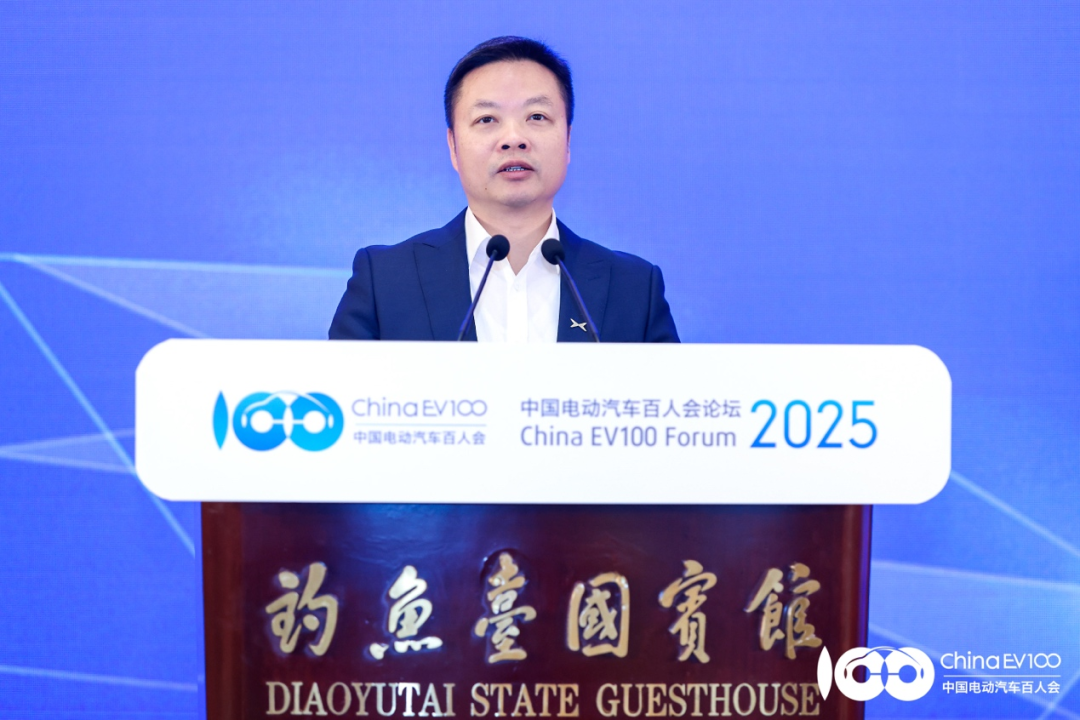
Li Bin, Founder, Chairman, and CEO of NIO, announced a planned investment of RMB 60 billion in R&D, operations, and the expansion of its battery-swap and charging networks. He reported that NIO has basically established a nationwide network with over 3,206 battery-swap stations, providing nearly 70 million swaps and over 25 million charging services.
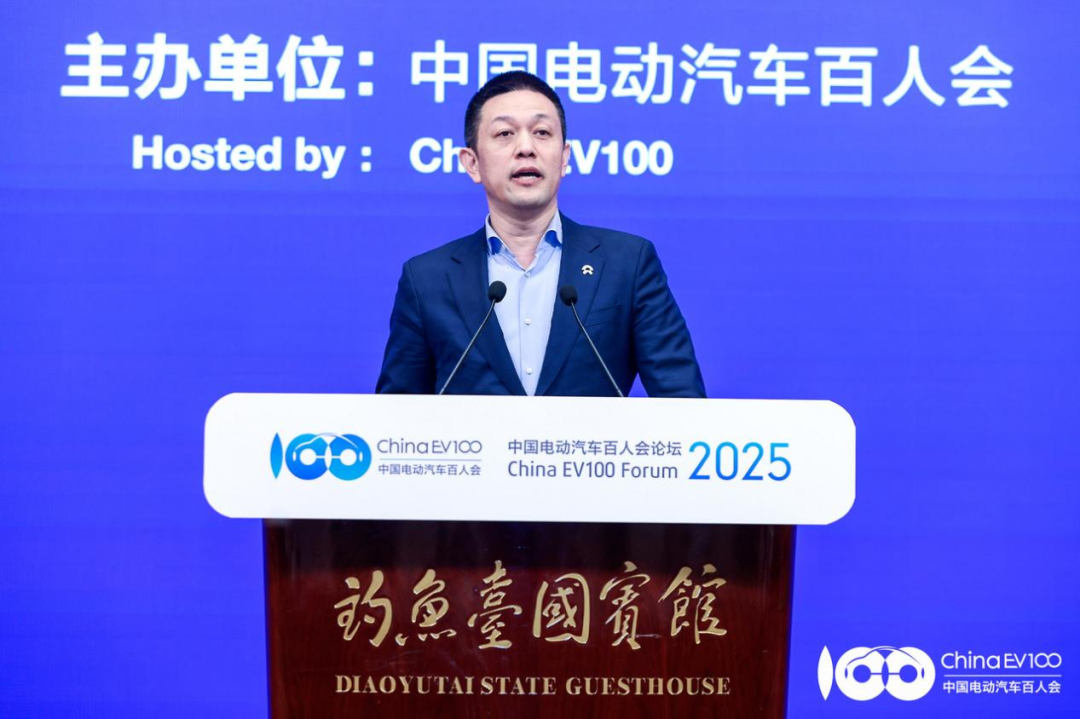
Li Xiang, Chairman and CEO of Li, highlighted the company’s open-source operating system, the LiAuto HaloOS. “Li understands large-scale software development better than all traditional automakers, and vehicle manufacturing better than all internet companies”. He also revealed plans to develop three types of robots: L4 autonomous driving robots, capability-enhancing robots, and humanoid robots.
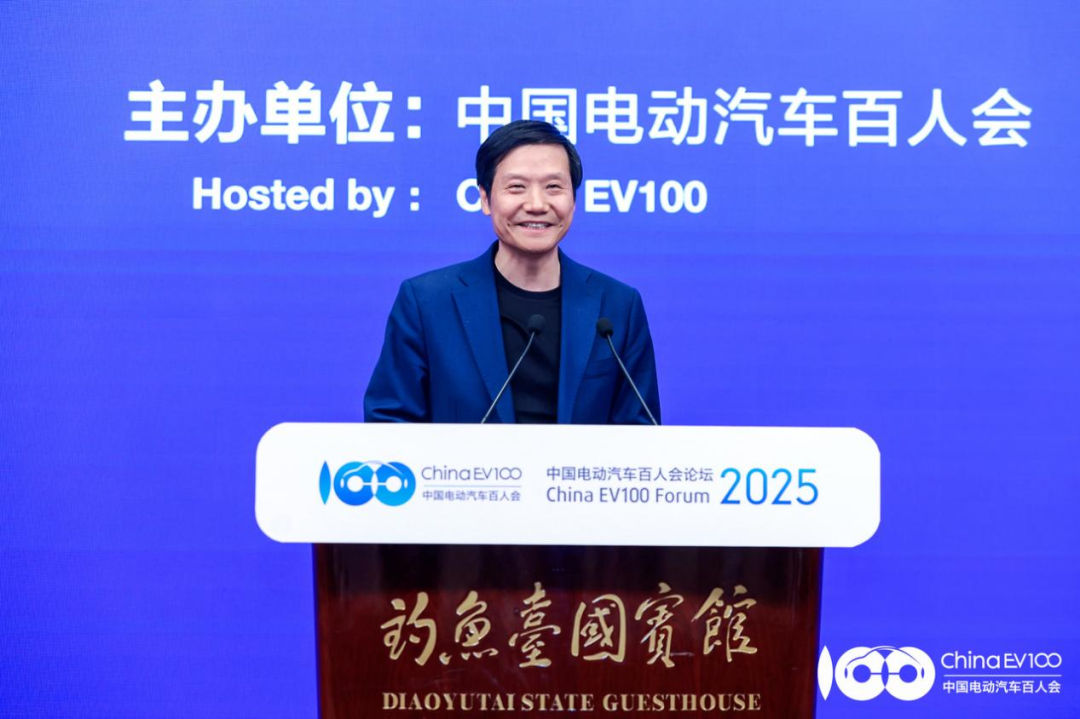
Lei Jun, Founder, Chairman, and CEO of Xiaomi, disclosed that Xiaomi committed to investing RMB 100 billion in R&D over five years and has already invested approximately RMB 105 billion, with this year’s investment expected to top RMB 30 billion. He called for industry collaboration to share resources and unify standards for better solutions.
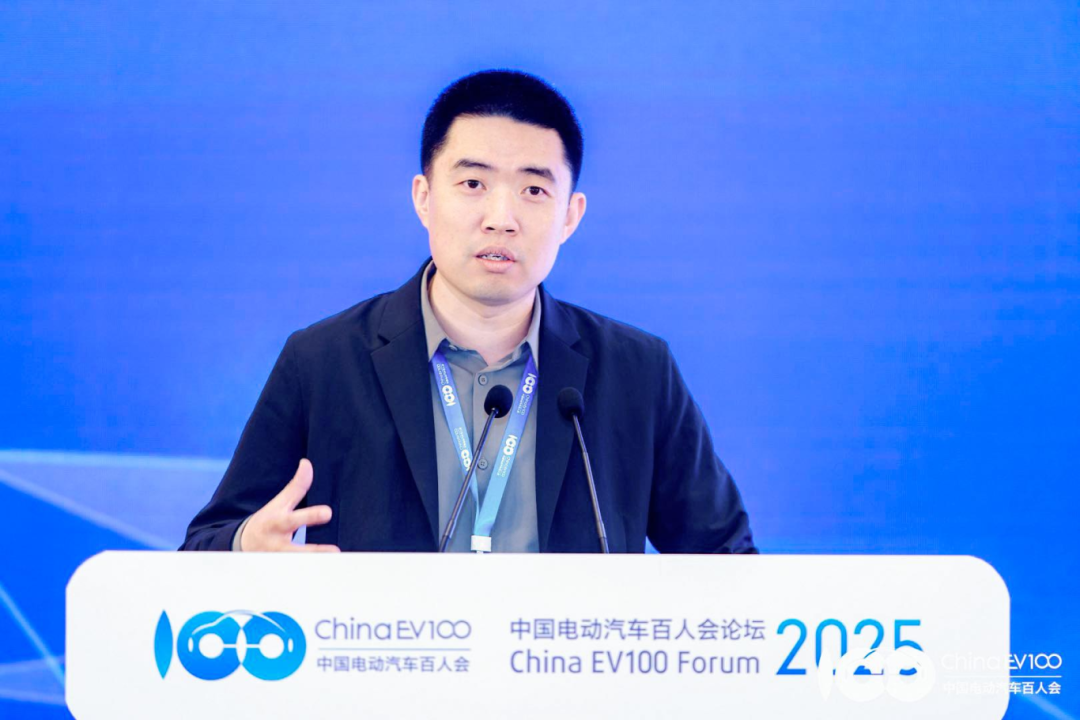
Following in-depth research on commercial vehicle sector, Fan Xianjun, CEO of Geely Commercial Vehicles, concluded, “Given the complexity of commercial vehicle operations, only hybrid technology or current alcohol-electric solutions can effectively drive their new energy transition.”
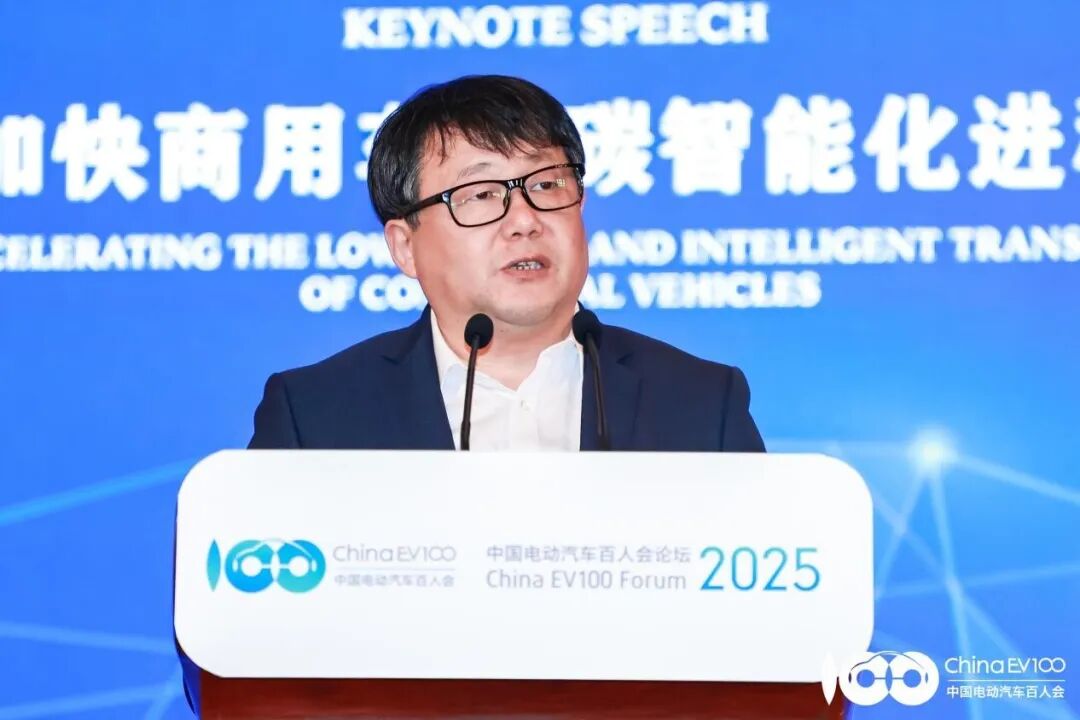
Wan Jun, Founder, Chairman, and CEO of DeepWay, added that the new energy intelligent heavy-duty truck market holds immense potential—over RMB 500 billion in China and USD 1-2 trillion globally. However, challenges remain, with cost being the primary obstacle.
Wu Huixiao, CTO of GWM, stated that intelligent driving will eventually become a standard feature, similar to seatbelts and ABS. Future vehicle intelligence will mimic the human brain, featuring a three-layer architecture for real-time response, emotional perception, and rational analysis, enabling a seamless smart experience.
Industry Leaders Analyze Key Challenges and Pain Points
Yu Kai, Founder and CEO of Horizon Robotics, pointed out that AI’s product differs sharply from the Internet era—it is no longer user and traffic-centric but focuses on surpassing human capabilities. Autonomous driving is the most critical functional value in the smart vehicle era, yet it is hard to differentiate and risks becoming a universal standardized feature, requiring safety, comfort, and convenience for point-to-point travel.
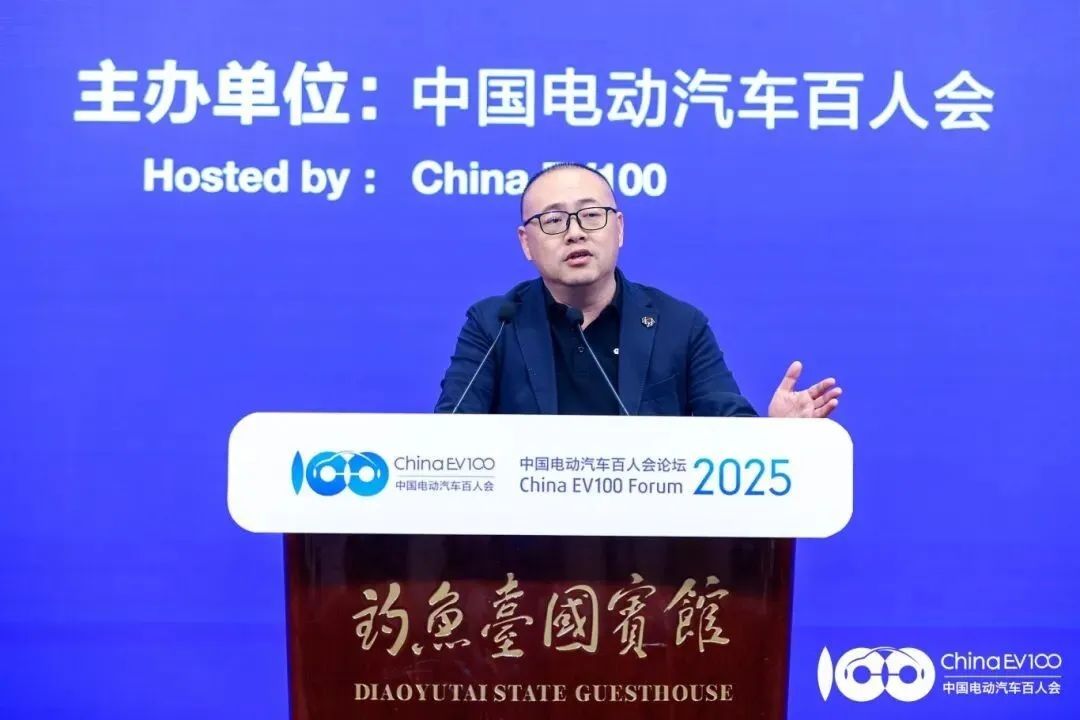
Gao Huan, CTO of CATL, acknowledged that as the NEV industry booms, many consumers encounter after-sales issues with power batteries—including rapid degradation, difficult repairs, and cumbersome battery replacement. Meanwhile, battery safety remains a major public concern. Separating vehicle and battery value, with battery banks owning battery assets, would greatly enhance the user after-sales experience.
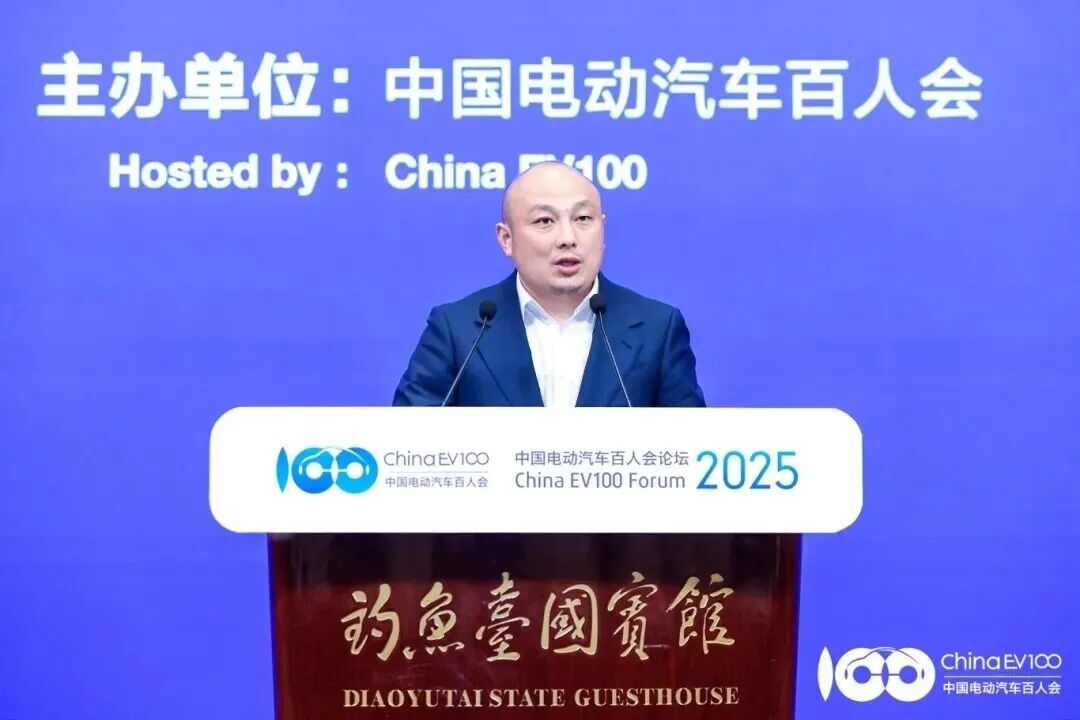
Hou Jinlong, Director of Huawei and President of Huawei Digital Energy, emphasized the importance of solidifying electrification. He suggested governments at all levels speed up the planning of an “integrated ultra-fast charging network,” coordinate land and power supply, and improve resource utilization. He also called for building integrated energy-transport high-power charging infrastructure, creating green ultra-fast charging stations along highways, and driving the full electrification of heavy-duty trucks to realize large-scale cost savings and carbon reductions in logistics.
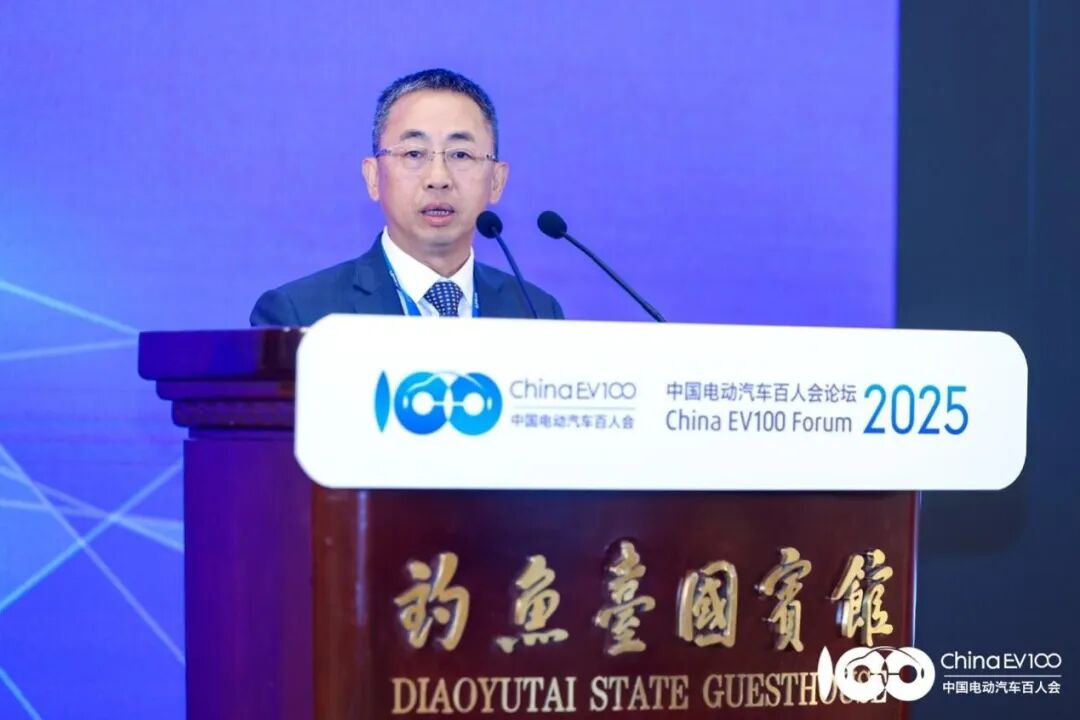
Li Qiang, Vice President of Alibaba Cloud Computing and General Manager of AI Automotive, noted that the emergence of large models like DeepSeek has led to an exponential increase in demand for computing power across industries. At the end of December last year, Alibaba Cloud surveyed the computing power of global automakers and found that Tesla’s computing power alone is almost equivalent to the total computing power of domestic OEMs primarily engaged in autonomous driving. This means Tesla has more redundant computing power, providing greater opportunities for innovation and experimentation.
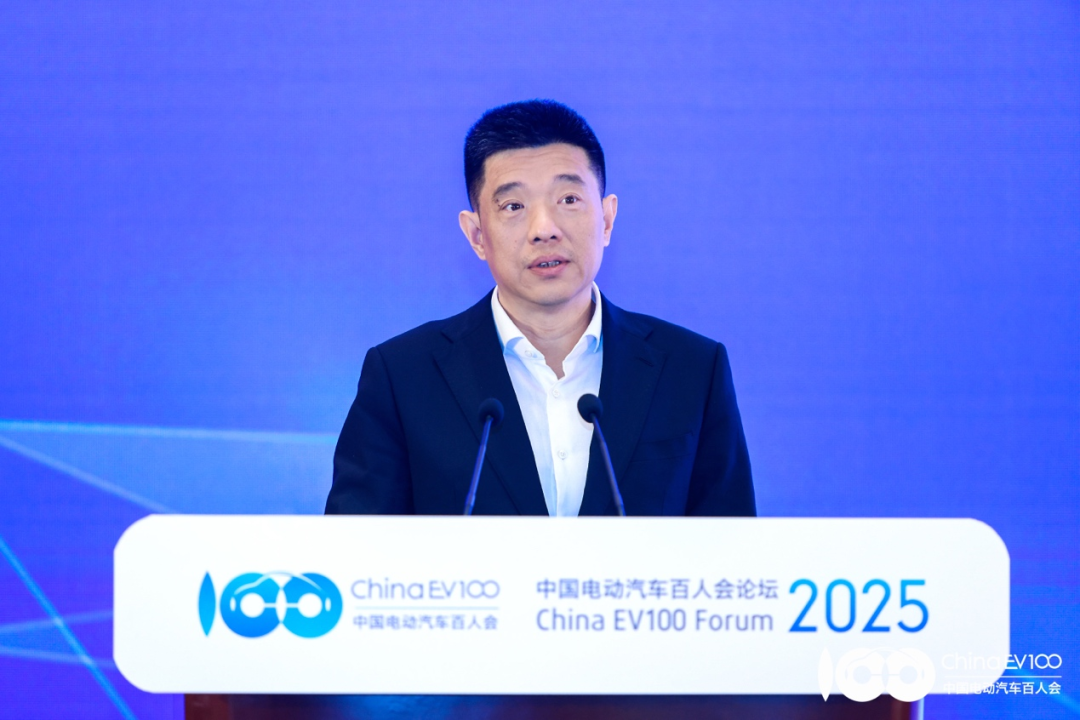
Miao Qin, Vice President of JD Group, highlighted that though the NEV industry is thriving, it still grapples with multiple challenges. These include cumbersome user decision-making, a shortage of high-quality after-sales maintenance, and 54% of users lacking adequate understanding of subsidy policies and application processes. How to use digital technologies alongside supply chain, finance, and insurance capabilities to create value and boost user efficiency is a pressing industry issue.
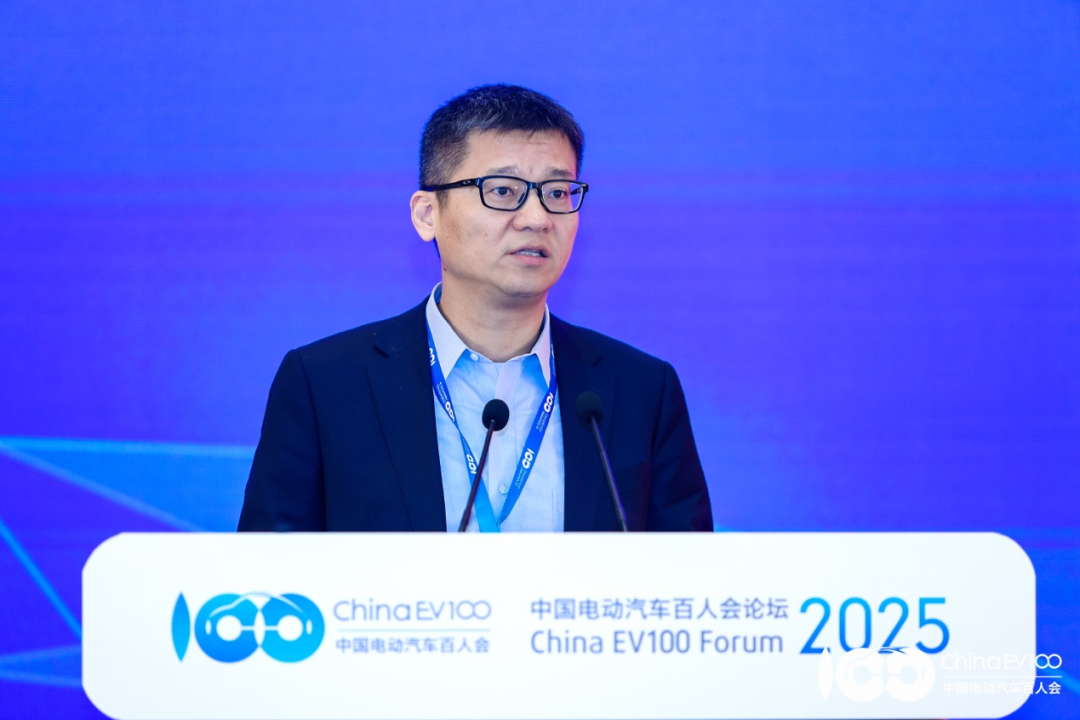
“China is undoubtedly the global leader in semi-solid-state battery technology,” stated Zhu Xingbao, Chief Scientist of Gotion High-Tech. However, he noted that competition in all-solid-state batteries has only just begun. Regarding NEV battery technology development, Jiang Jibing, Vice President of EVE Energy and Dean of the Battery System Research Institute, argues that large cylindrical batteries are the optimal solution for NEVs. “This type of battery is a technological breakthrough, reconstructing the NEV industry ecosystem.”
International Institutions and Corporate Representatives Discuss Pathways for Global Electrification Transition
Liu Yang, Deputy Director of the Department of Climate Change Response under the Ministry of Ecology and Environment of the PRC, advised promoting collaborative innovation and strengthening international cooperation; pushing for green transformation among upstream and downstream enterprises to cut carbon emissions and build green industrial and supply chains; implementing product carbon footprint management, and accelerating the development of accounting standards and foundational data support to facilitate carbon footprint verification.
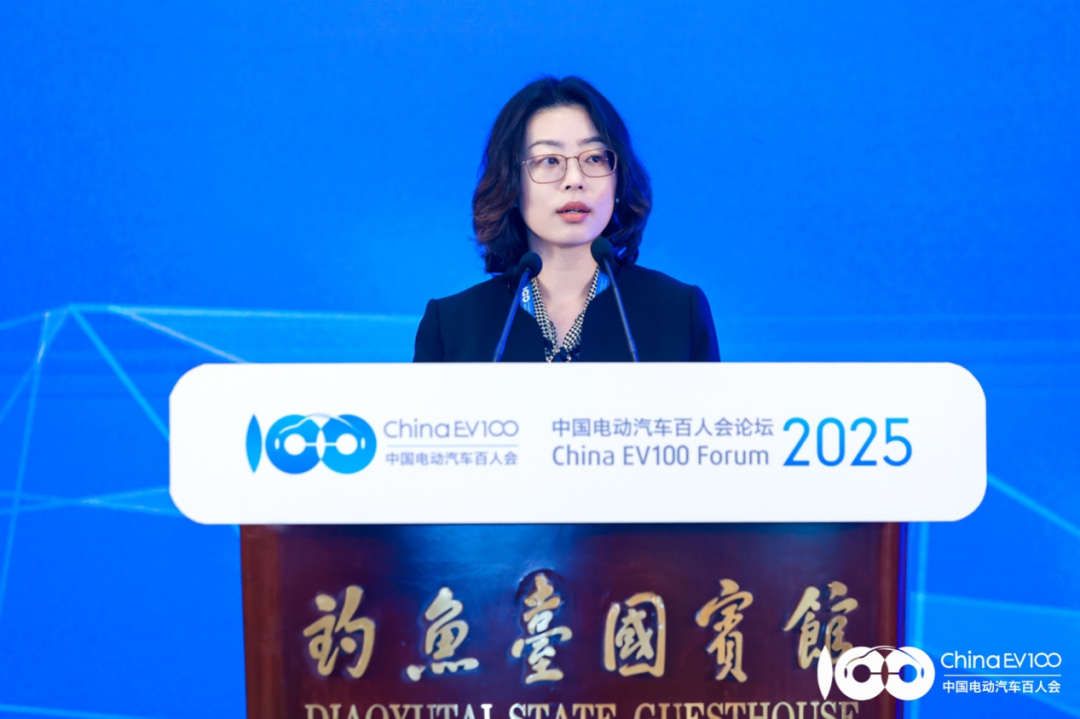
Focusing on the Asia-Pacific market, Katrin Luger, Director of the Transport Division at the United Nations Economic and Social Commission for Asia and the Pacific, noted that the region lags in climate-related sustainable development, mainly due to growing greenhouse gas emissions and heightened vulnerability of natural ecosystems. “Climate action cannot be sustainable without decarbonizing the transport sector.”

“European countries differ in electrification progress,” said Christian Hochfeld, Executive Director of Agora Verkehrswende. He emphasized that European nations need to pursue near-zero carbon neutrality, accelerate industrial chain transformation, boost EV demand, enhance international cooperation, and welcome Chinese brands into the European market.
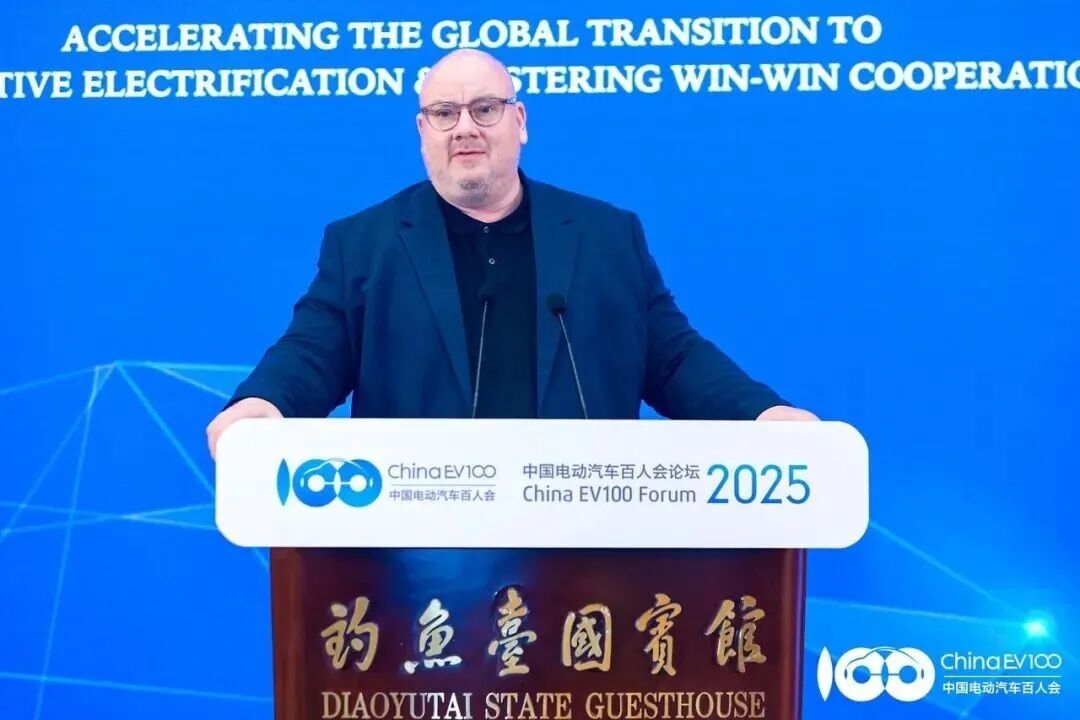
Regarding Thailand’s EV development vision, Yossapong Laoonual, President of the Electric Vehicle Association of Thailand (EVAT), stated, “We aim for zero-emission vehicles to account for 30% of total vehicle output, EVs to make up 50% of new car sales, and 12,000 DC fast-charging stations nationwide by 2030.”
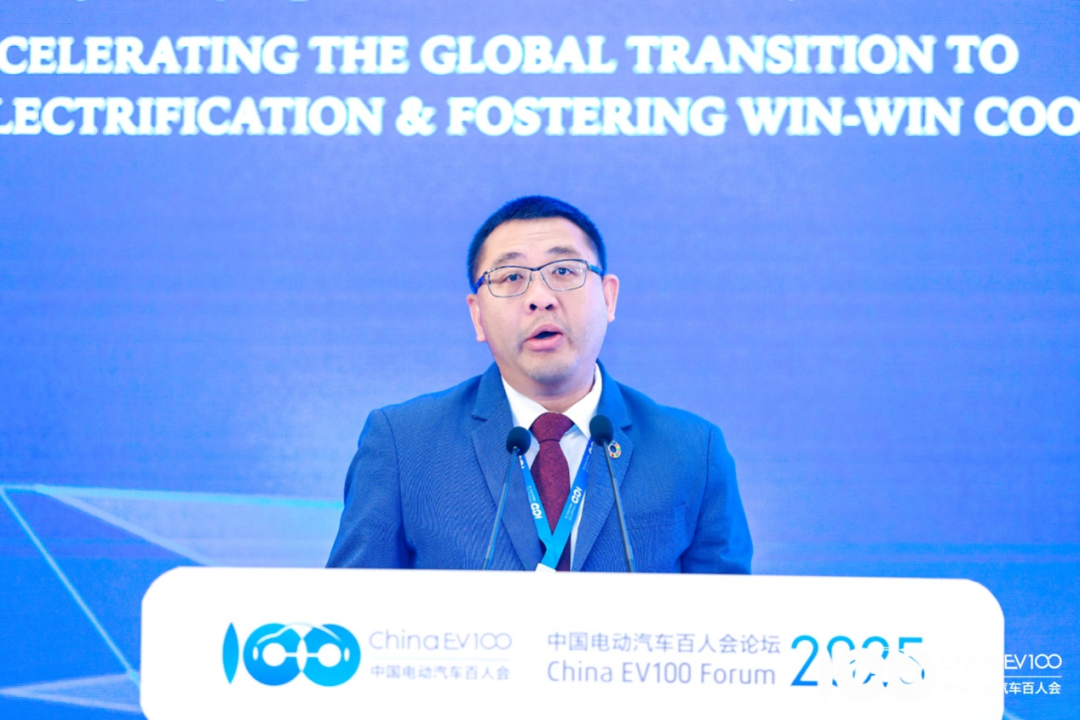
Sean Green, President and CEO of BMW Group China, pointed out that over the past decade, China’s robust policy support has been pivotal to the rapid growth of NEVs. As the industry matures, the next phase of expansion should focus on market-driven dynamics, where consumer preferences, healthy competition, and tech breakthroughs will define the future.
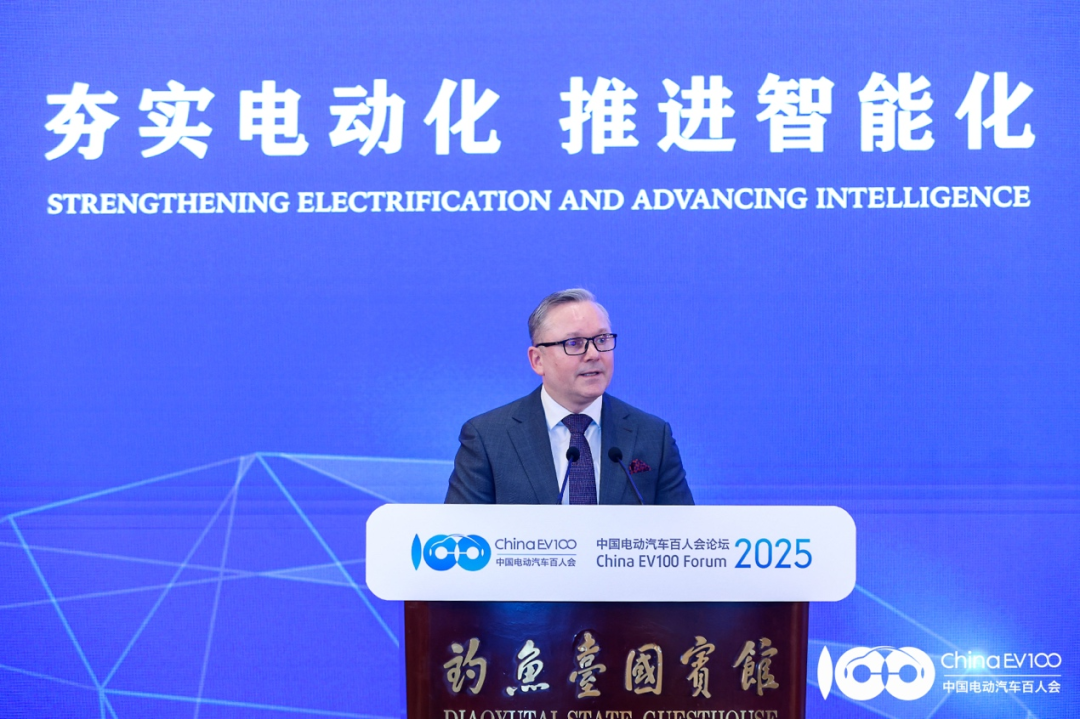
Johannes Roscheck, President of Audi China, expressed, “As automotive industry professionals, we are responsible for driving the sector’s sustainable development. We firmly believe a healthy industry environment should be founded on three core principles: first, pursuing mutually beneficial cooperation over zero-sum competition; second, prioritizing product quality and reliability; and third, working together to explore new, optimal solutions.”
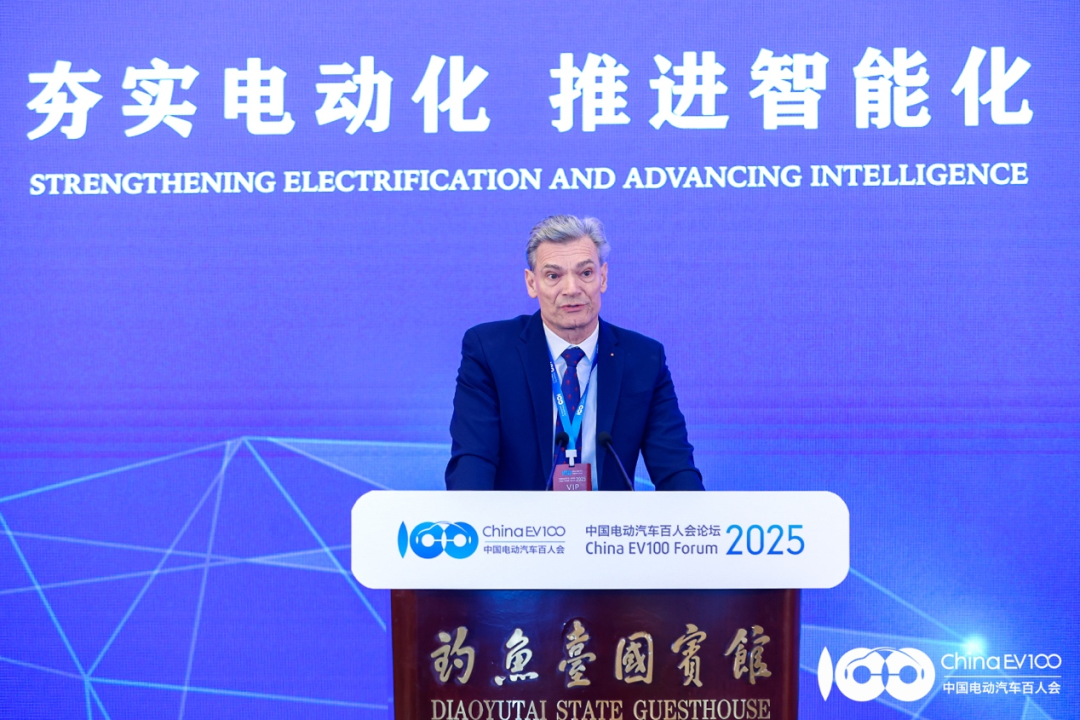
Xu Daquan, President of Bosch China, expressed optimism about China’s 2025 auto market but concerns for 2026. “Once automakers establish overseas production facilities, domestic export-oriented production may drop. Additionally, uncertainty lingers over the extension of stimulus policies.” He therefore called for stronger domestic demand as a lever for medium- to long-term growth.
The China EV100 Forum 2025 is not just an industry event but also an essential indicator of global automotive transformation. Centered on Strengthening Electrification and Advancing Intelligence for High-Quality Development—from advancing electrification to planning for intelligence, from tech breakthroughs to ecosystem collaboration, and from policy governance to international cooperation—the China EV100 will continue to leverage its advantages, uniting global industry forces to guide the automotive industry toward a new phase of intelligent, green, and sustainable high-quality development.
Invitation List (incomplete)
Government:
China Association for Science and Technology
National Development and Reform Commission
Ministry of Industry and Information of the PRC
Ministry of Housing and Urban-Rural Development of the PRC
Ministry of Commerce of the PRC
State-owned Assets Supervision and Administration Commission of the State Council
National Energy Administration
The National Committee of the Chinese People’s Political Consultative Conference
Ministry of Ecology and Environment of the PRC
Associations and Universities:
| China EV100 | Chinese Academy of Sciences |
| Chinese Academy of Engineering |
Tsinghua University |
| Xiamen University | Tongji University |
OEMs:
| FAW | Dongfeng | BYD | Chery |
| BAIC | JAC | Changan | Deepal |
| SAIC | GAC | Geely | NIO |
| Li Auto | XPeng | Xiaomi | SERES |
| VOYAH | BMW | Audi | Tesla |
| Nissan | Hyundai | Yoyota | Honda |
| Dongfeng Liuzhou | Farizon | DeepWay | GWM |
| Zeekr |
Supply Chain:
| Horizon Robotics | CATL | Huawei | Alibaba |
| Black Sesame Technologies | JD Group | Bosch China | Magna |
| ADI | BorgWarner | Infineon | AWS |


