


On June 25, 2025, the 2025 Global New Energy Vehicle Cooperation and Development Forum (GNEV2025·Shanghai) was held, which includes sub-forum themed on Financial Empowerment for Automotive Global Expansion, gathering cross-industry experts for in-depth discussions.
During the session, Zhang Yongwei, Chairman of China EV100 and Executive Chairman of GREEM, predicted that by 2030, China’s auto industry will sell 10 million vehicles annually overseas, with related auto parts sales likely exceeding RMB 800 billion to 1 trillion. This large-scale overseas expansion creates new demands for financial systems. However, financial services are disadvantages in the “going global” strategy, facing issues like financing difficulties, insufficient overseas insurance and supply chain financing, and gaps in consumer credit. While overseas capital shows strong interest in Chinese auto projects, severe information asymmetry and a lack of matchmaking mechanisms remain. Zhang proposed regular industry-finance platforms to link projects with capital, bridge information gaps, and boost industry connectivity.
Below are key viewpoints from the speakers:
Sun Xiaohong, Secretary-General of Automotive Globalization Professional Committee of CCCME
He noted that global auto giants like Ford, GM, and Toyota built their leadership through deep internationalization and sound financial service systems. The lack of strong financial support is a key weakness for China’s auto industry in overseas expansion. We should build a systematic financial service ecosystem: set up overseas auto finance companies to support dealers and final consumption; establish special auto export and industry development funds, provide localized financial support, and create financing whitelist and credit access systems to ease overseas financing and improve credit interoperability; expand China’s export credit insurance to cover overseas subsidiaries and increase coverage; and encourage new cross-border financial channels like digital RMB and B2B foreign trade finance platforms to enhance settlement security and efficiency.
Xiang Feng, Beidou Intelligent Connected Vehicle
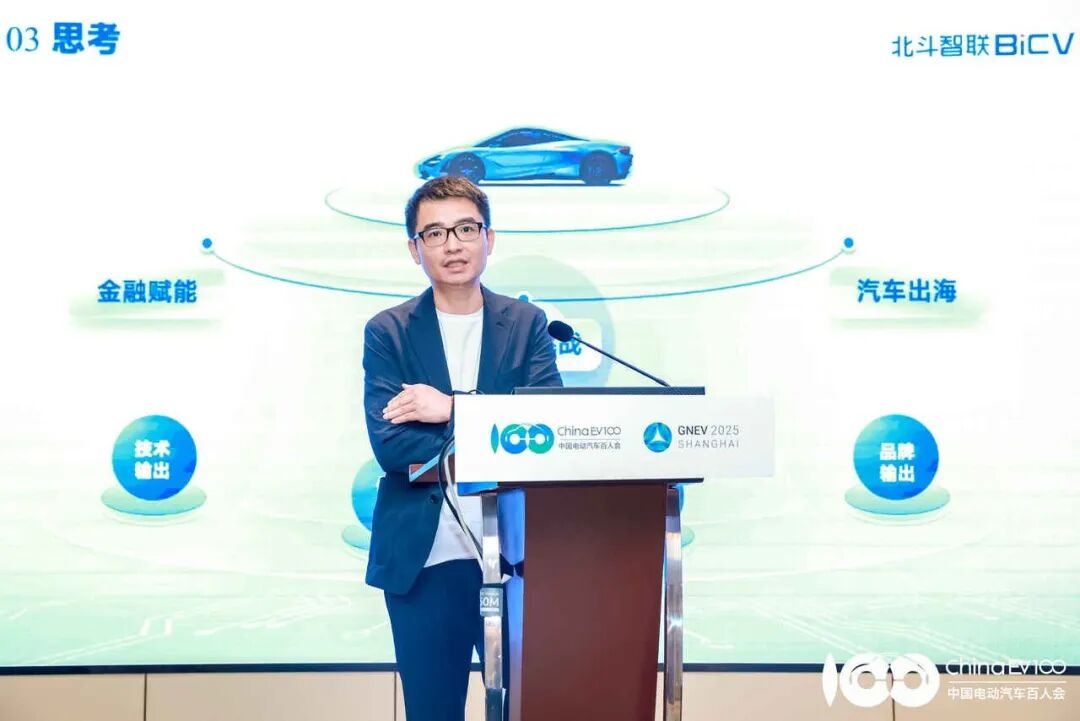
China’s auto industry overseas expansion faces five key challenges: geopolitical tensions, trade protectionism, technical barriers, inadequate service systems, and fierce competition. Relying solely on traditional strategies like mergers and acquisitions or factory building has led to more failures than successes. Financial empowerment needs to be more diverse and flexible—using technology, system, innovation, and brand promotion to boost the global competitiveness of China’s auto supply chain, effectively bypass policy barriers and cost pressures, and unlock new export growth opportunities.
Liu Bingguo, Software Motion
China’s auto industry overseas expansion faces five key challenges: geopolitical tensions, trade protectionism, technical barriers, inadequate service systems, and fierce competition. Relying solely on traditional strategies like mergers and acquisitions or factory building has led to more failures than successes. Financial empowerment needs to be more diverse and flexible—using technology, system, innovation, and brand promotion to boost the global competitiveness of China’s auto supply chain, effectively bypass policy barriers and cost pressures, and unlock new export growth opportunities.
Zhang Yi, NRI
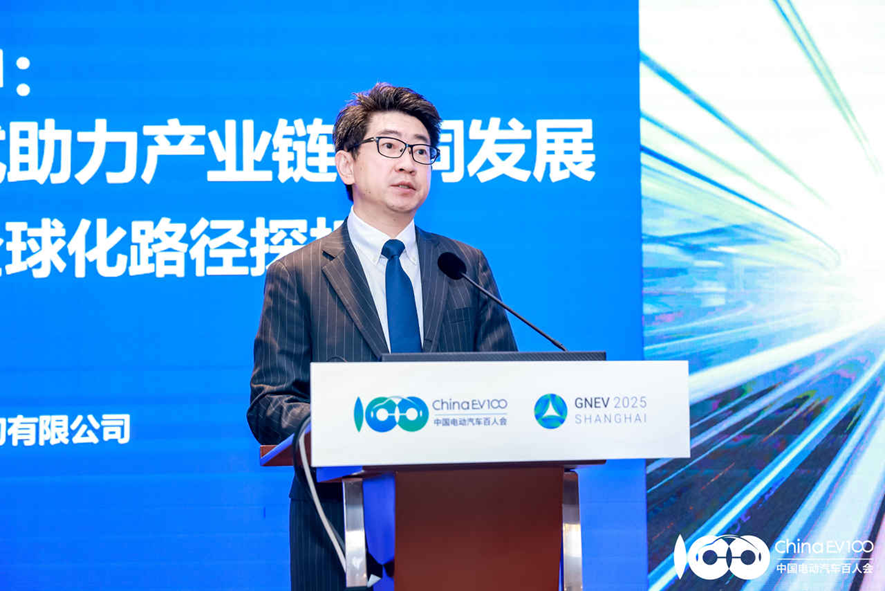
Companies—combining industry expertise and financial capabilities—are ideal globalization partners. Moving forward, we can explore a dual-platform model of Chinese ownership and Japanese company equity participation, focusing on R&D and manufacturing in China, with local production and overseas exports. China-Japan cooperation holds great potential in key EV areas like lithium-ion battery material production, battery recycling, and recycling.
Chang Jing, CICC
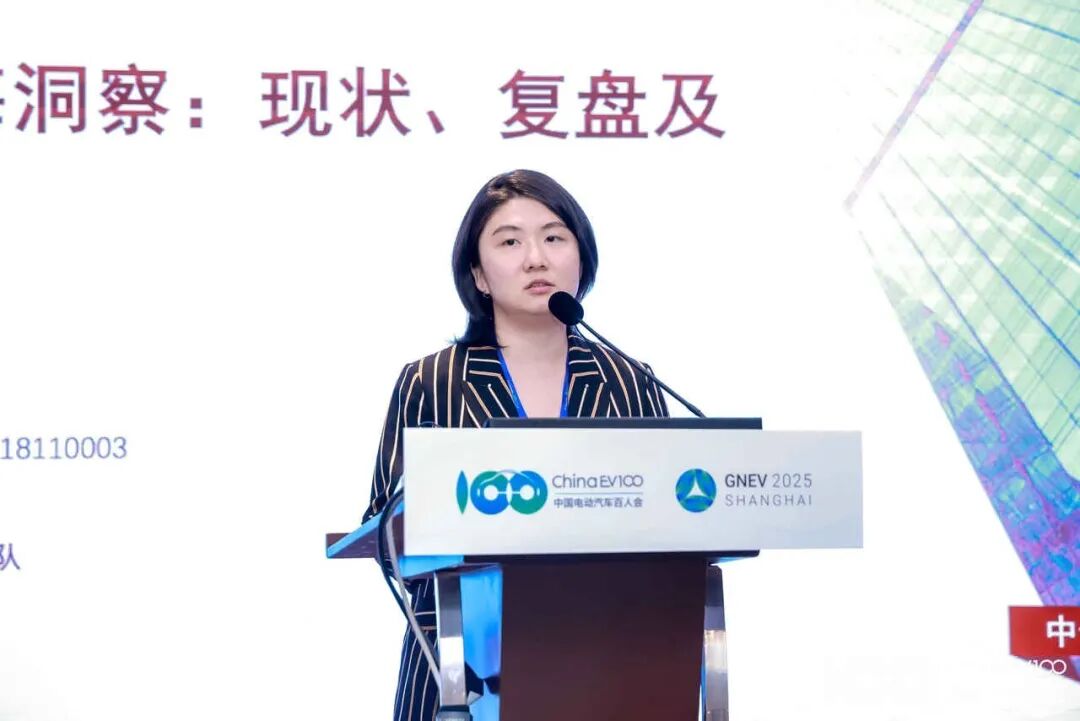
Growing global trade uncertainty is shifting China’s auto exports from “quantity growth, stable price” phase to structural transformation. International policy changes have set new requirements for Chinese automakers. Japan’s internationalization experience provides valuable insights: despite annual domestic sales of under 5 million vehicles, Japanese automakers sell around 20 million globally (a 1:4 domestic-overseas ratio). This success came from collaborating with trading companies, coordinating parent-subsidiary factories, and supply chains to build industrial clusters and economies of scale in ASEAN.
Lou Jia, BOCI
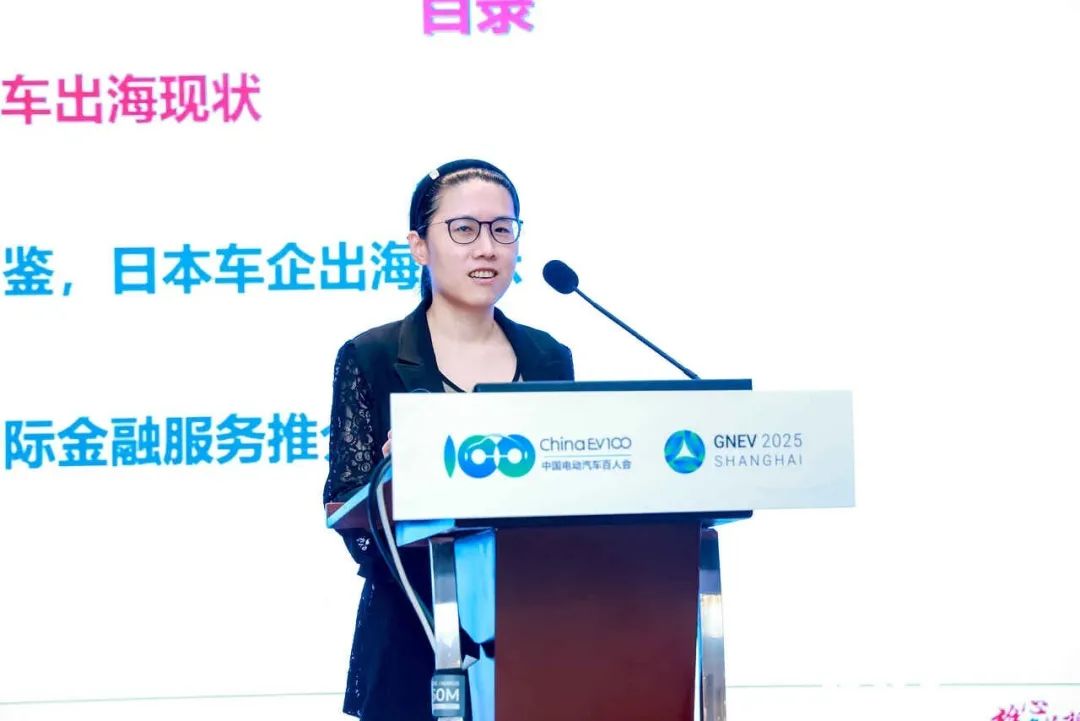
Chinese automakers are in a phase similar to Japanese brands in the late 1980s, shifting from mainly exporting vehicles to localized production. By 2030, China’s overseas production capacity is expected to reach 4-5 million units. However, long-term challenges remain, including trade barriers, product adaptation, cultural integration, and exchange rate volatility. For Chinese automakers to thrive in global market, financial services need to be more aligned and capable: build localized auto finance systems; optimize funding structures and management capabilities to ease financial pressures from long local production cycles and slow capital returns; drive cross-border mergers and acquisitions to improve resource allocation; and develop green finance and ESG tools to enhance overseas compliance and sustainability.
Wang Luguang, China Export & Credit Insurance Corporation (Beijing)
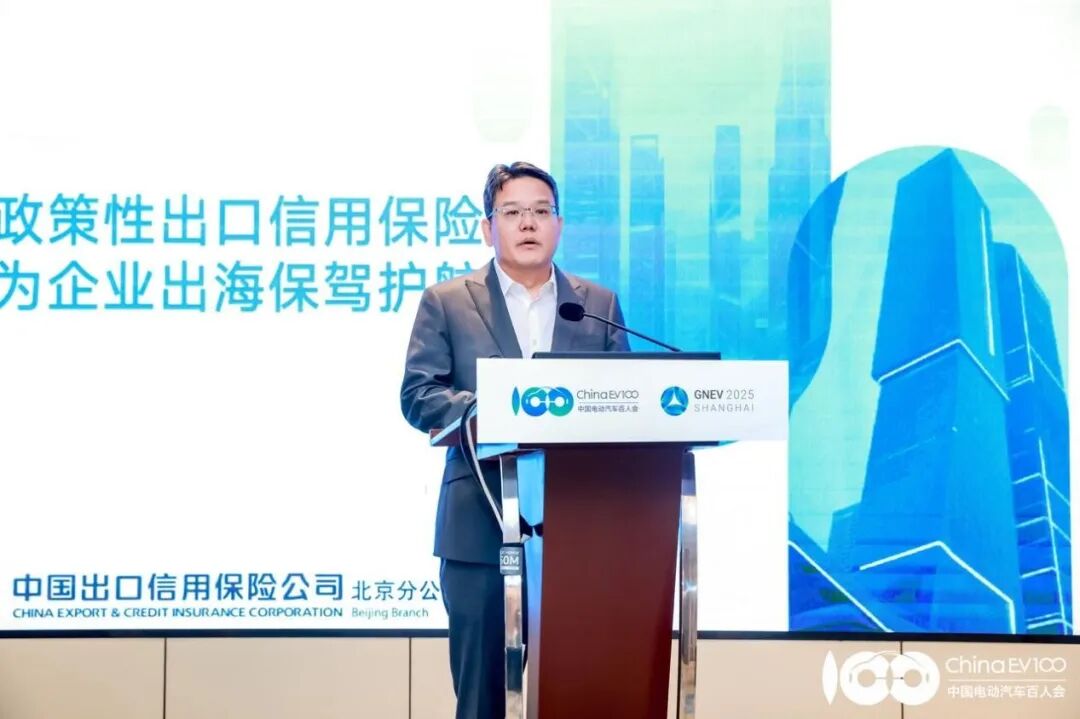
China’s NEVs are evolving from simply vehicle exports to comprehensive global expansion, covering R&D systems, manufacturing standards, service networks, and deep localization-internationalization integration. Sinosure’s service system in the auto sector is deeply integrated into all links of the OEMs and parts supply chain. By 2024, our total credit insurance for the auto industry and domestic trade credit insurance reached USD 54.9 billion. Globalization is irreversible, and the “R&D-manufacturing-service-ecosystem” model will become the mainstream for NEV exports. Enterprises should fully utilize policies to strengthen risk resilience and competitiveness in overseas markets.
Mao Haiyan, Industrial Bank
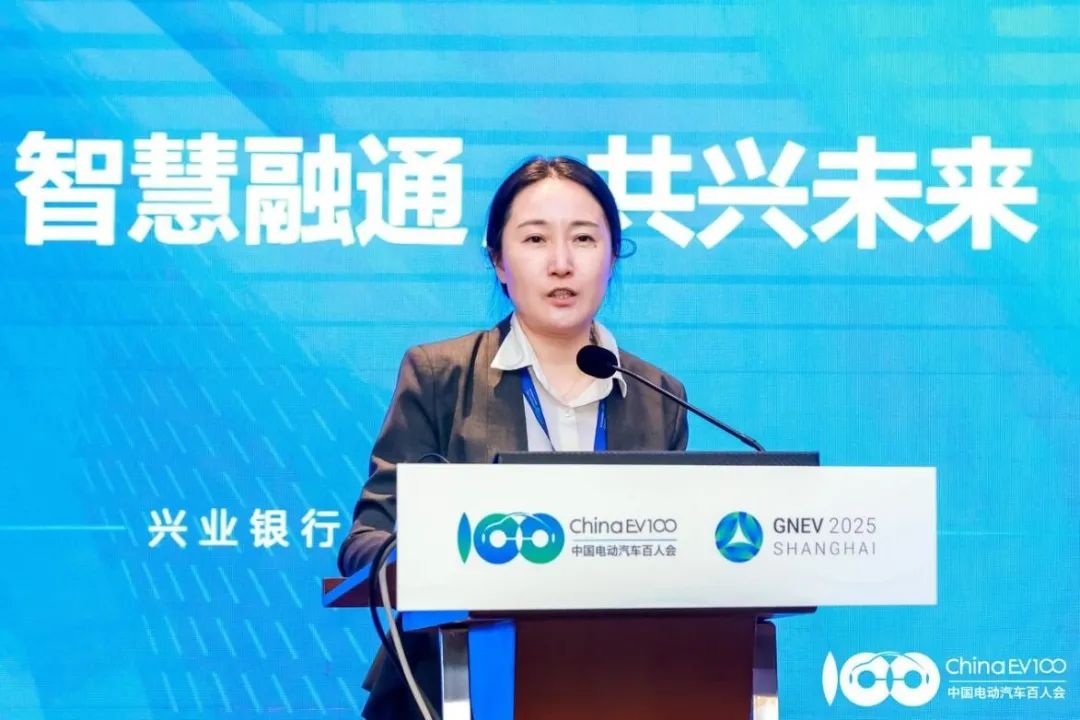
For auto companies expanding overseas, we provide tailored solutions. Customized financial services—including traditional settlement, investment bank and commercial bank collaboration, foreign currency support, export buyer/seller credit, and overseas project/merger-acquisition financing—are offered based on the target countries and business models of enterprises. We cooperate closely with Sinosure to jointly support overseas projects.


