


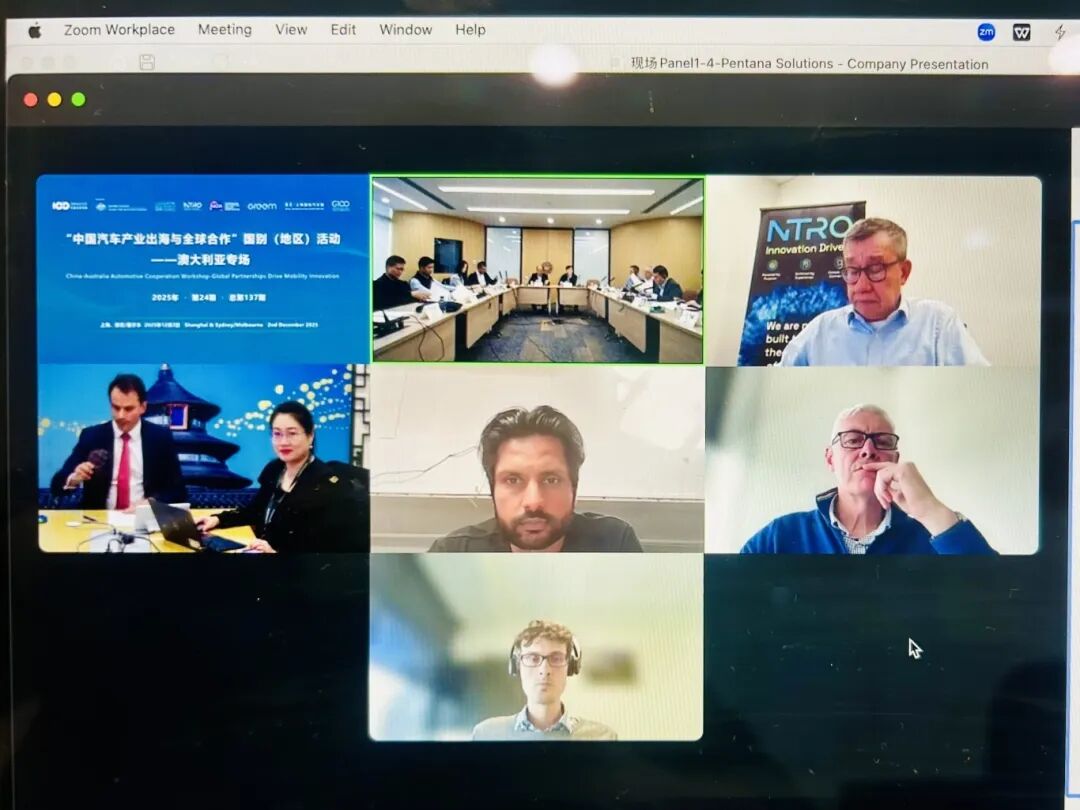
On December 2, 2025, the “China-Australia Automotive Cooperation Workshop—Global Partnerships Drive Mobility Innovation”, hosted by the China EV100 and Going Global Super Platform (G100), was successfully held in Shanghai. With support from Australian partners including Austrade, the Electric Vehicle Council (EVC), the National Transport Research Organization (NTRO), and the Australian Automotive Dealers Association (AADA), the event brought together representatives from leading Chinese and Australian automotive enterprises and institutions across OEMs, components, digital services, after-sales, logistics, and finance & insurance. Participants discussed key topics such as new opportunities in the Australian automotive market, pathways for Chinese industry expansion, and the future of bilateral cooperation. The session was moderated by Shi Jianhua, Vice Chairman of China EV100 and Dean of the EV100 Plus.

1. Australia: A Strategic Partner for Global Expansion
Participants agreed that the Australian market holds unique value for China’s automotive industry globalization. Aligned with European and U.S. regulations, it has strong consumer adoption of new technologies and clear NEV demand growth, making it an ideal development place for Chinese enterprises. Australia’s strengths in mineral resources and advanced technologies—such as autonomous driving and green energy—enable cooperation with China based on complementarity, not one-way export. Iannis Patin, Commercial Counsellor at the Australian Embassy in China and Trade & Investment Commissioner at Austrade, said he will actively support leading Chinese NEV companies entering Australia and provide matching services.
2. From “Product Export” to “Full-Chain and Ecosystem Expansion”
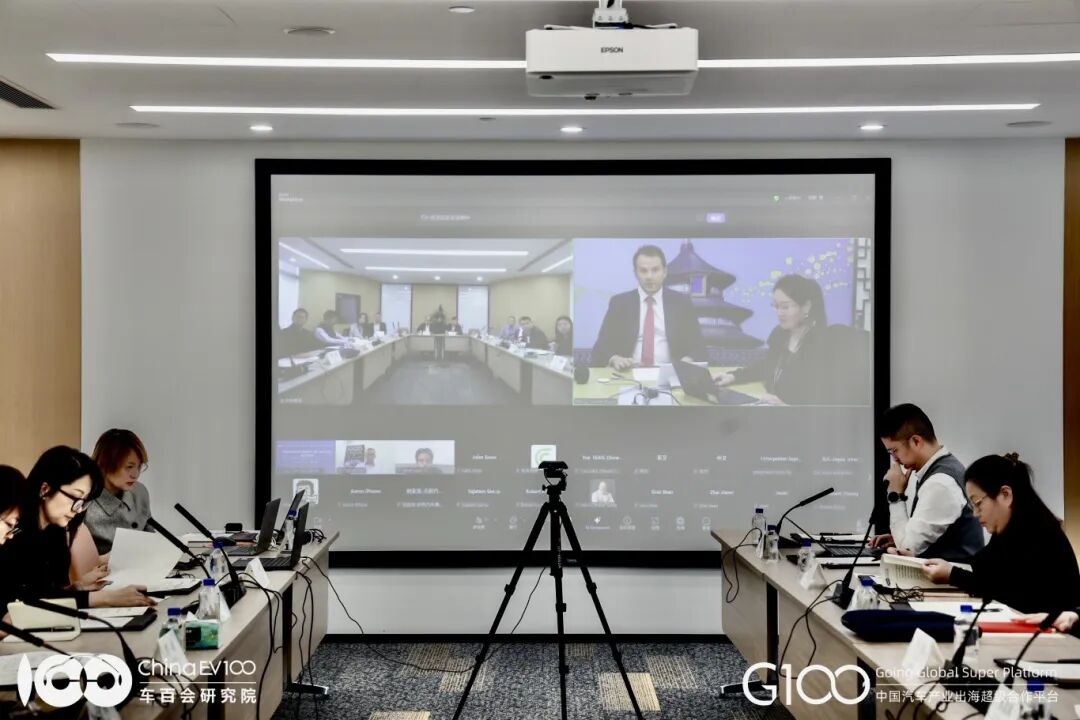
Participants noted that China’s automotive globalization has moved beyond simple vehicle or component exports.
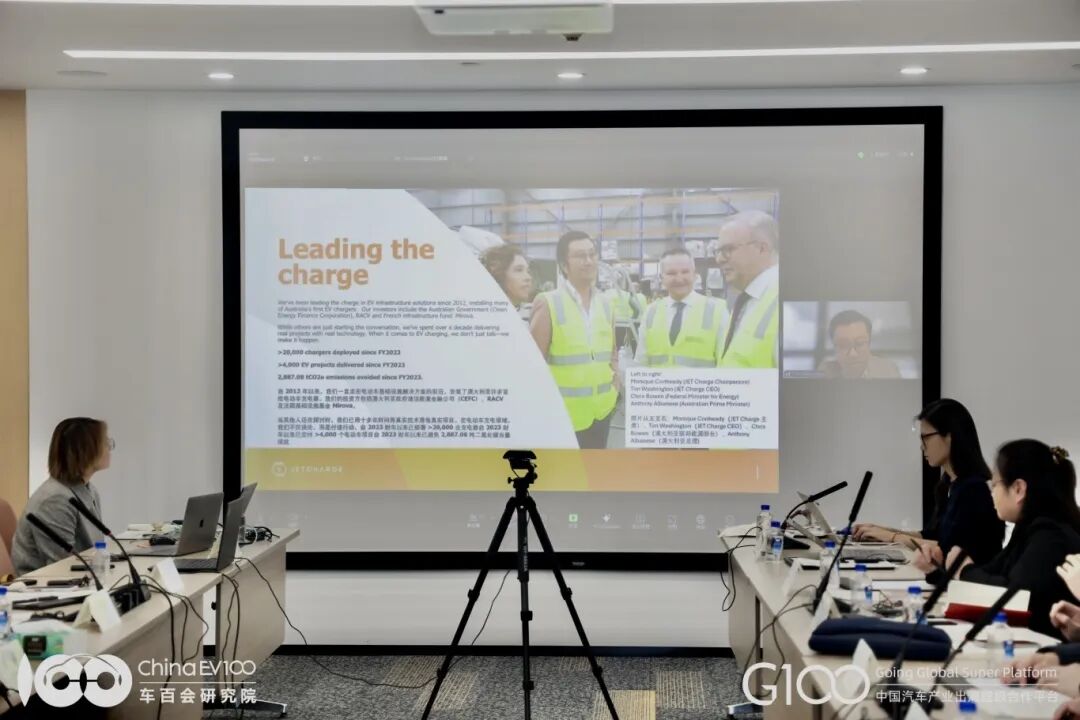
SAIC Motor, JET Charge, and Sungrow— representing Chinese and Australian OEMs and energy infrastructure companies — shared insights on product adaptation and brand building based on local market understanding.

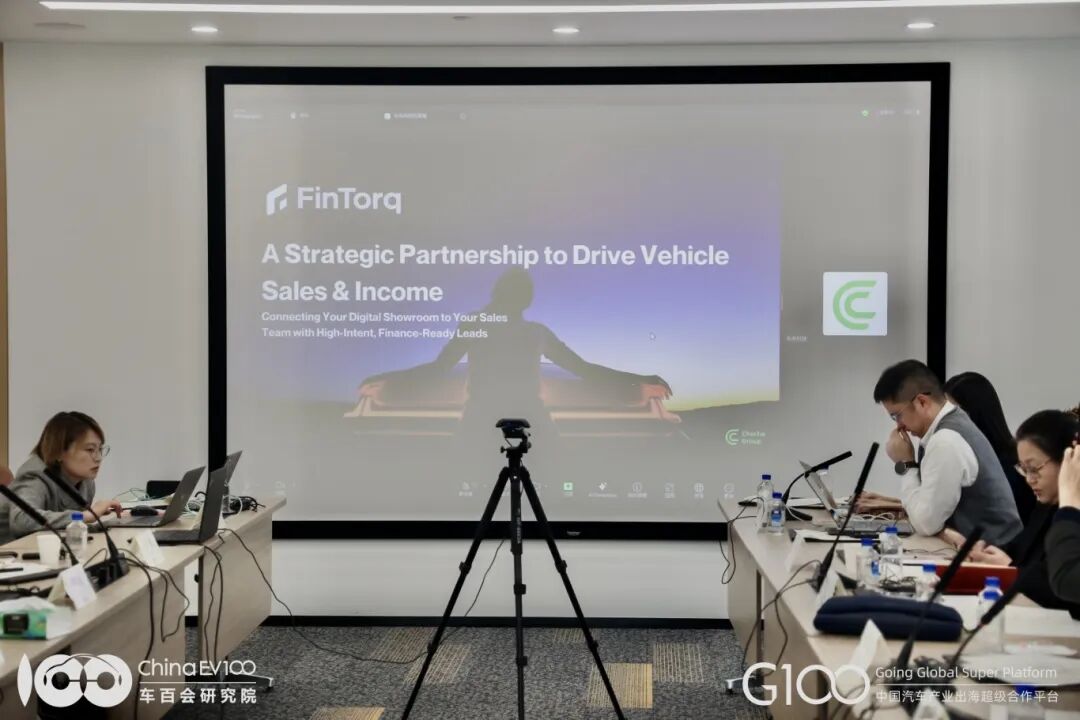
Cheche Group, SF Express, and Ping An P&C Insurance are leveraging China’s strong cross-border logistics and financial services to build a full-chain service network for automotive globalization.

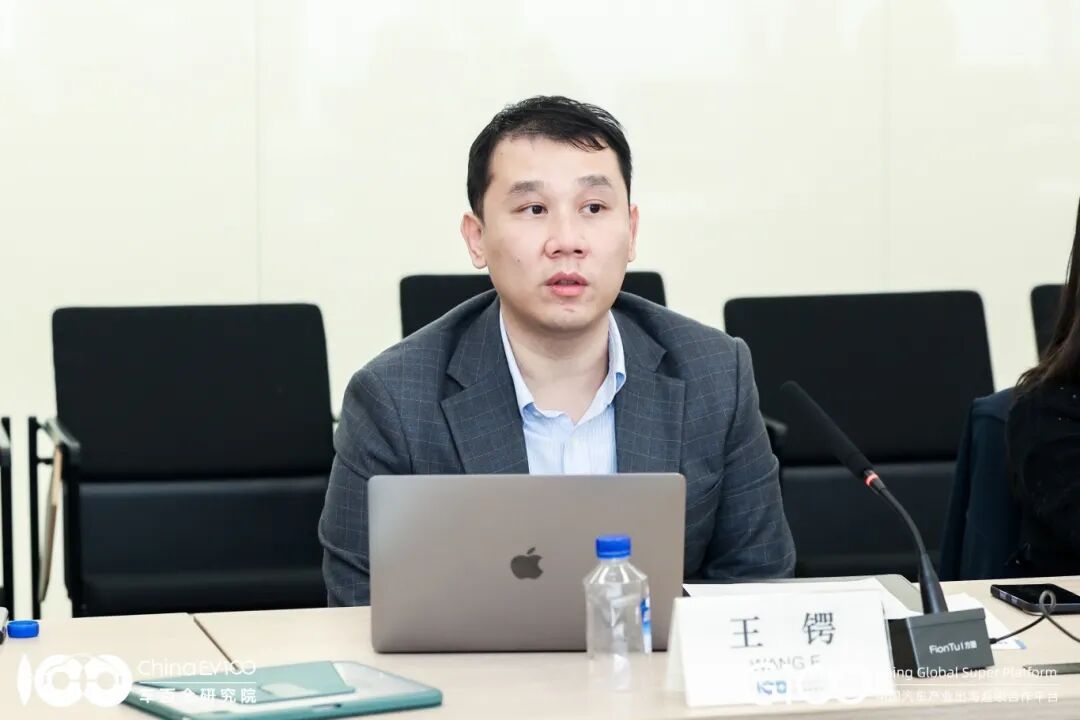
Rotor Studios, Tuhu, and Casstime— representing intelligent solutions and after-sales service providers — explored the globalization potential of ecosystem including intelligent services, digital maintenance technologies, and components supply chains.
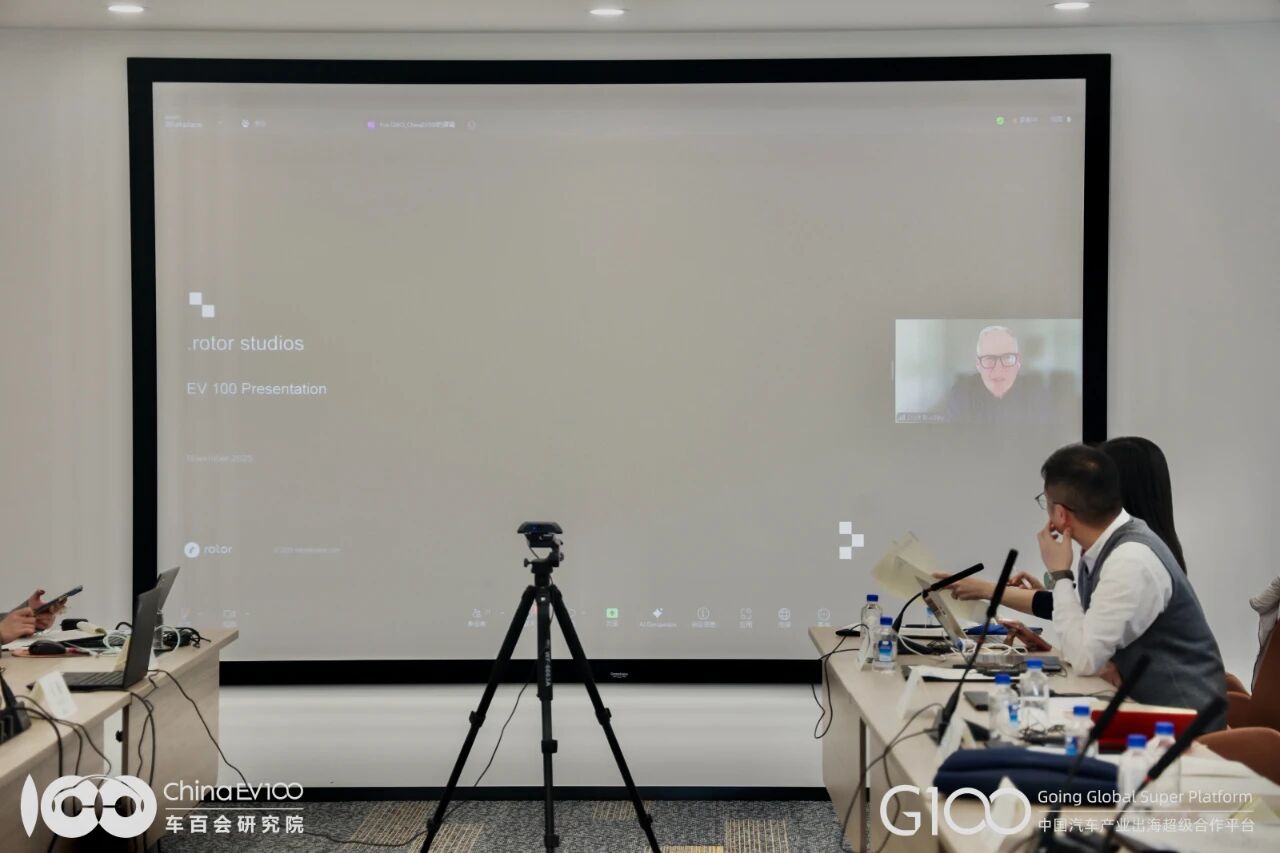
3. Key Success Factors: Data Compliance, Local Adaptation, and Supply Chain Synergy
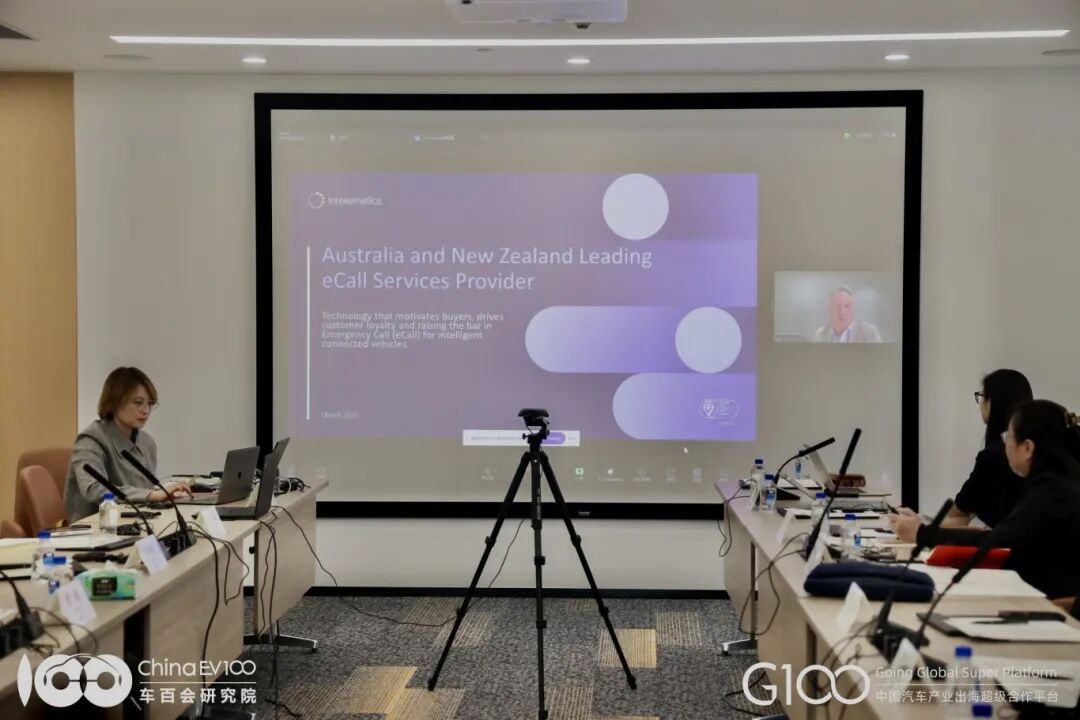
Compliance as the Foundation: Experts from Pentana Solutions and Intelematics stressed that data security, privacy protection, and vehicle compliance certification are essential for market entry.
In-depth Localization: Localization goes beyond products to include services, brand communication, and business models. Companies must collaborate closely with local dealers, service providers, and technical partners.
Industrial Chain Globalization: Participants agreed that automakers, suppliers, tech providers, and service firms should enhance information sharing and coordination to reduce risks and boosting competitiveness.


4. Diversified Cooperation for a Green and Intelligent Future
Cooperation prospects are broad—from sustainable critical mineral supply and joint R&D on intelligent connected and autonomous driving technologies, to NEV promotion, charging infrastructure standardization, manufacturing investment, and talent training.

Zhang Yongwei, Chairman of China EV100 and Executive Chairman of GREEM, said the workshop has created a new bridge for exchange and cooperation. Stakeholders in the China-Australia NEV sectors need long-term, stable partnerships as industries transition toward electrification, intelligence, and greenization. He added that G100 will serve as a key hub in the global NEV industry, enabling multi-level supply-demand matching. Tailored to different countries’ needs, G100 will integrate value chains, service systems, data, finance, testing, and certification resources from China’s NEV industrial and supply chains—efficiently connecting China’s automotive sector with global markets and enhancing global cooperation efficiency.
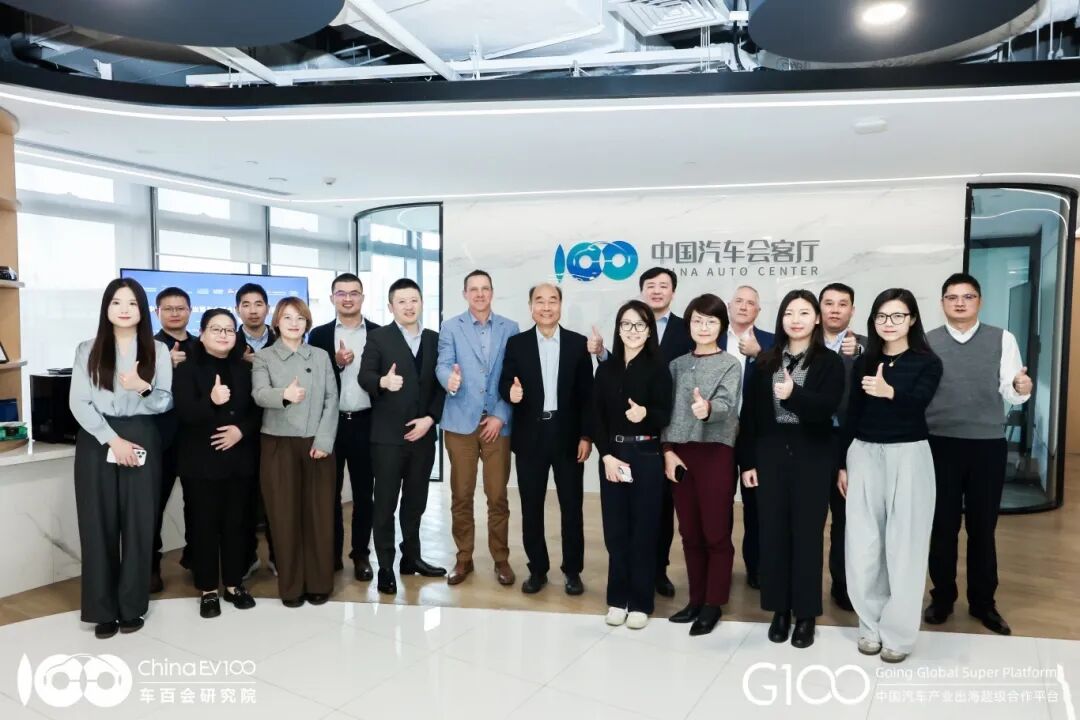
This practical and productive session not only provided valuable market insights for Chinese enterprises but also gave Australian partners a deeper understanding of the strength and cooperation commitment of China’s automotive industry. It marks a shift in China-Australia automotive cooperation—from traditional trade to a new phase of technology- and green-driven collaboration across the entire value chain.


