


On March 19, 2026, the Automotive Industry Global Development and Cooperation Seminar — Thailand in Focus, hosted by China EV100 and Shanghai International Automobile City and organized by G100, was successfully held at Shanghai.
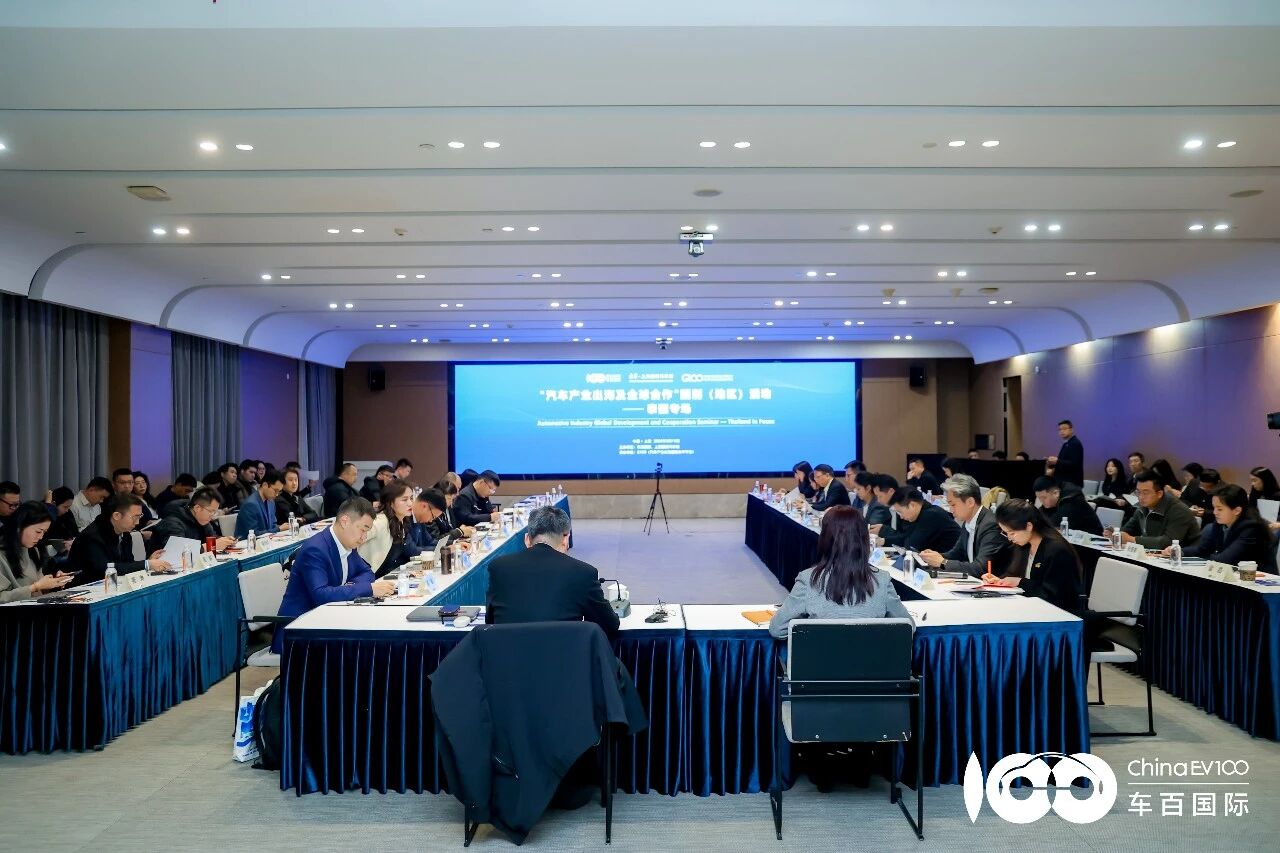
Centered on Exploring New Cooperation and Development Models for the China-Thailand NEV Industry, the event gathered representatives from the entire industrial chain, including Chinese and Thai government agencies, industry associations, industrial parks, OEMs, component suppliers, NEV infrastructure developers, ICV enterprises and cross-border service providers. Participants conducted in-depth exchanges on five core topics, market opportunities, policy compliance, capacity layout, ecological construction and service support, aiming to empower the Chinese automotive industrial chain to deepen its presence in ASEAN and expand globally by leveraging Thailand’s advantages.
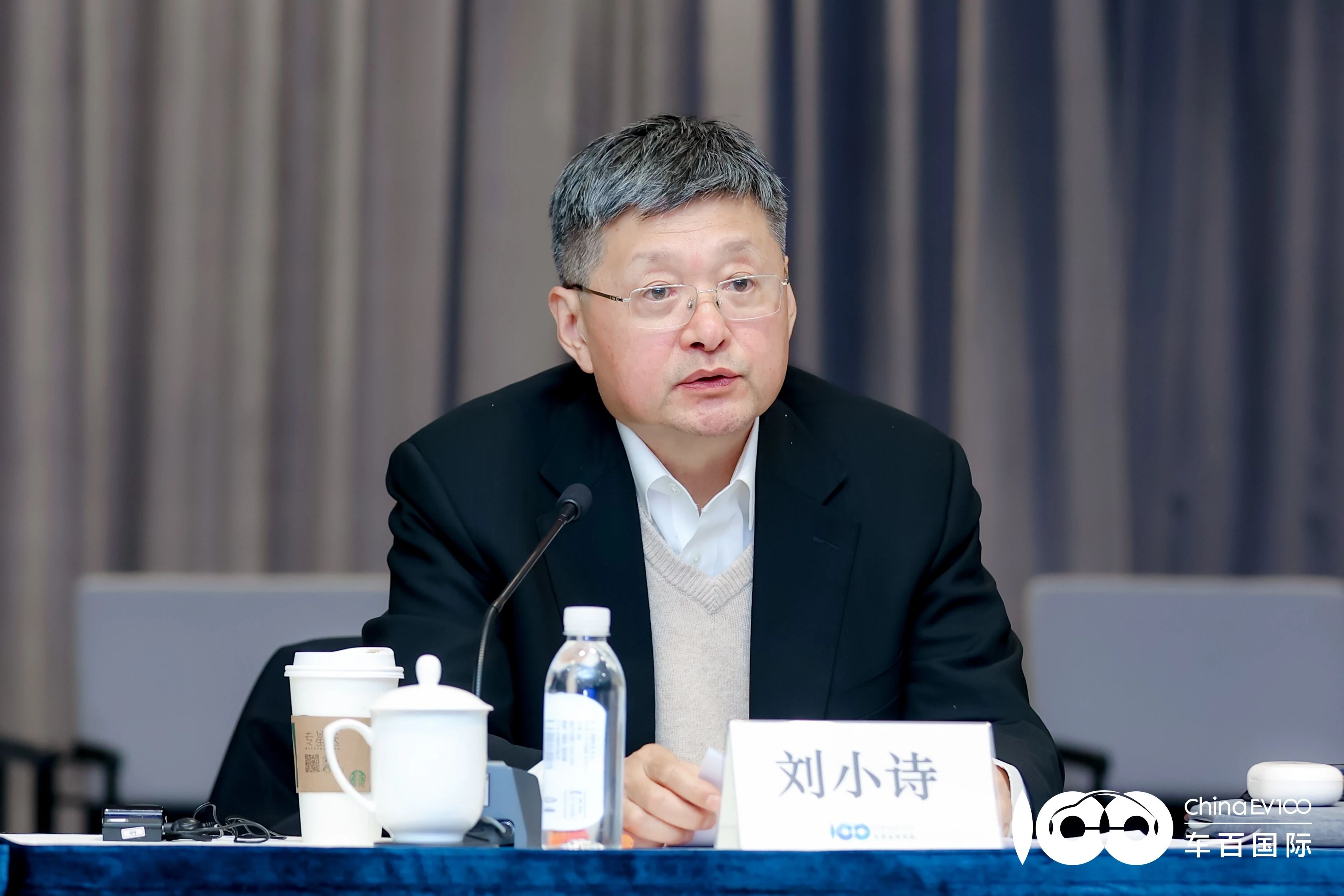
Liu Xiaoshi, CEO of China EV100, presided over the event and delivered an opening speech. He noted that intelligent electrification is reshaping the global automotive landscape, and going global has become a key for the high-quality development of China’s automotive industry. With its geographical advantages and complete industrial supporting systems, Thailand has emerged as a major destination for Chinese automakers’ global expansion. The event built an efficient docking platform for in-depth discussions on the five core topics and simultaneously released the series of activity plans of the China EV100 Thailand Cooperation Center. It aims to build industrial consensus, explore new cooperation paths, and facilitate the mutually beneficial and win-win development of the China-Thailand automotive industry.
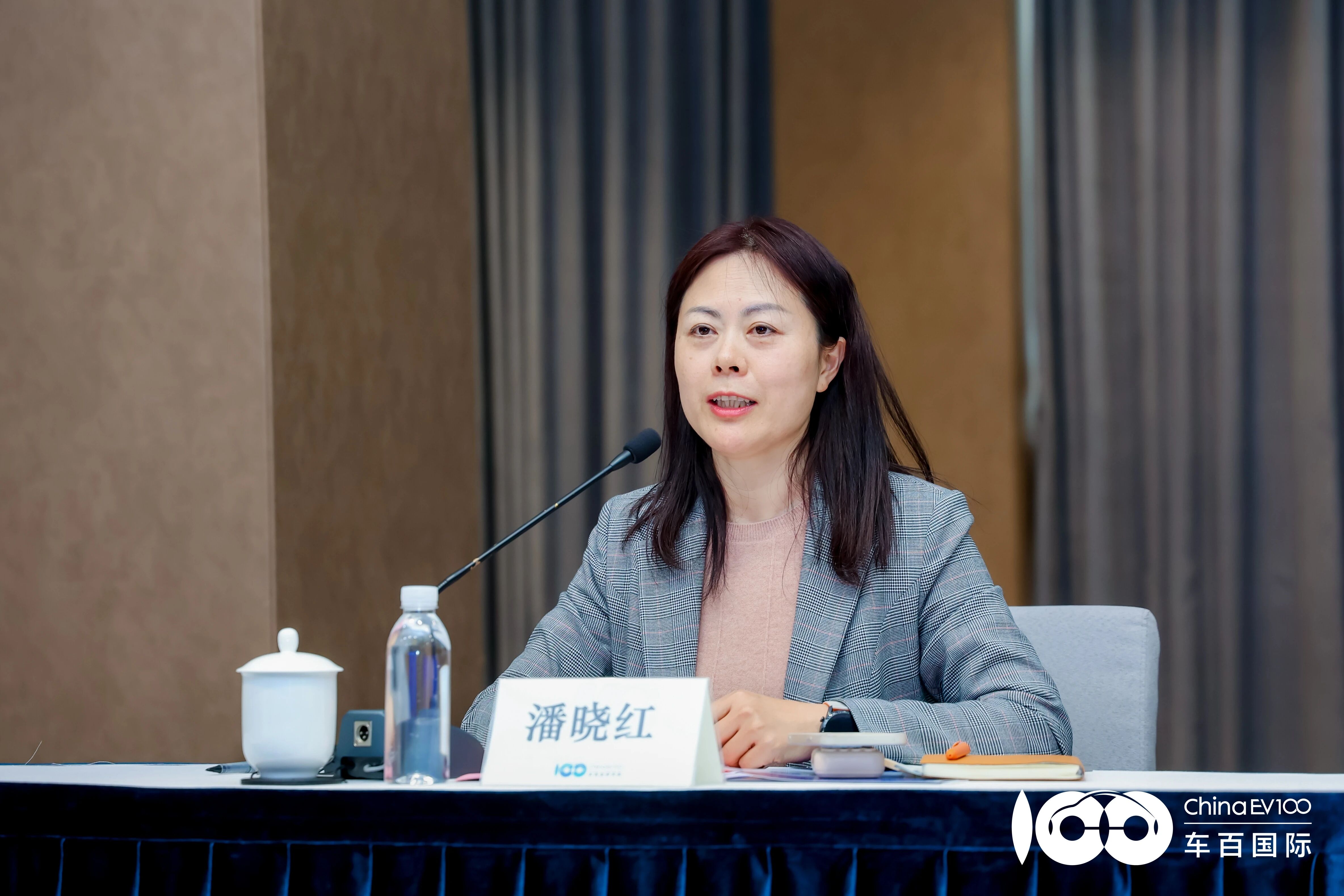
Pan Xiaohong, Deputy Party Secretary and GM of Shanghai International Automobile City, stated that as a core carrier of China’s automotive industry and an important window for opening-up, the auto city adheres to the concept of “Rooted in Shanghai, Going Global, Serving the World” and continues to build an international cooperation platform. As Southeast Asia’s automotive manufacturing hub and the world’s 10th largest automotive producer, Thailand has clear electrification goals and a mature industrial chain, making it a strategic pivot for China’s automotive globalization. The auto city will leverage its platform advantages to promote in-depth collaboration between China and Thailand in technology, capacity, supply chains and service ecosystems, supporting the high-quality global expansion of China’s automotive industry.
01 Release of the Activity Plans of China EV100 Thailand Cooperation Center

Qi Sicong, Representative of Thailand Business at China EV100, released the work plan of the Thailand Cooperation Center, pointing out that China-Thailand automotive industry cooperation has entered a deep stage featuring policy coordination, industrial implementation and ecological construction. In May 2026, it will co-host the Global Future Mobility Conference · Thailand Forum with Thailand BOI, where participants from Thailand and the global industrial chain will discuss new paths for the international development of the EV industry. Concurrently with the forum, it will organize in-depth exchanges and dialogues between China’s EV industry and Thai government, industrial, academic and research institutions. Throughout 2026, the center will launch a quarterly series of two-way dialogues tailored to industrial development needs based on relevant research topics.
02 Overview of Thailand’s Automotive Industry and Investment Environment
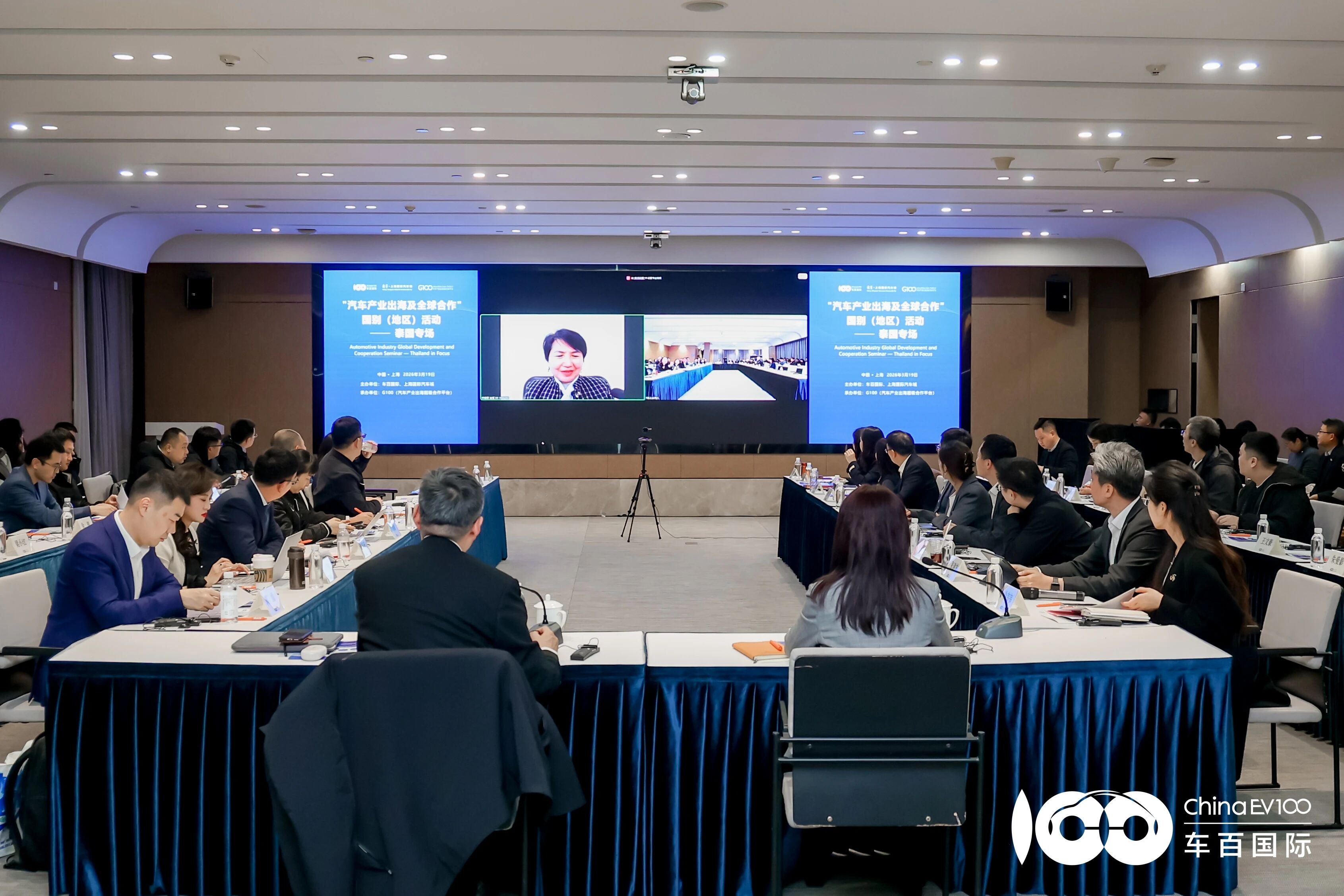
Mrs. Donlaporn Ajavavarakula, Director & Consul of Investment Promotion Section of Royal Thai Consulate-General in Shanghai and Thailand BOI Shanghai Office, delivered a speech, stating that China and Thailand enjoy friendly relations and strong industrial complementarity. Thailand ranks first in ASEAN and 10th in the world in automotive supporting industries and has signed FTAs with 17 countries worldwide, offering preferential tariffs for Chinese enterprises going global. In the NEV sector, enterprises can enjoy incentives such as a maximum 13-year corporate income tax holiday and duty-free import of equipment and raw materials. Thailand also allows 100% foreign ownership, permanent legal land holding, and features stable and transparent policies to ensure the sustainability of enterprises’ acquired rights and interests. She emphasized that Thailand is a low-risk, high-potential top choice for the global expansion of China’s automotive industrial chain, and Chinese investment has become the most important investment force in Thailand’s NEV market.
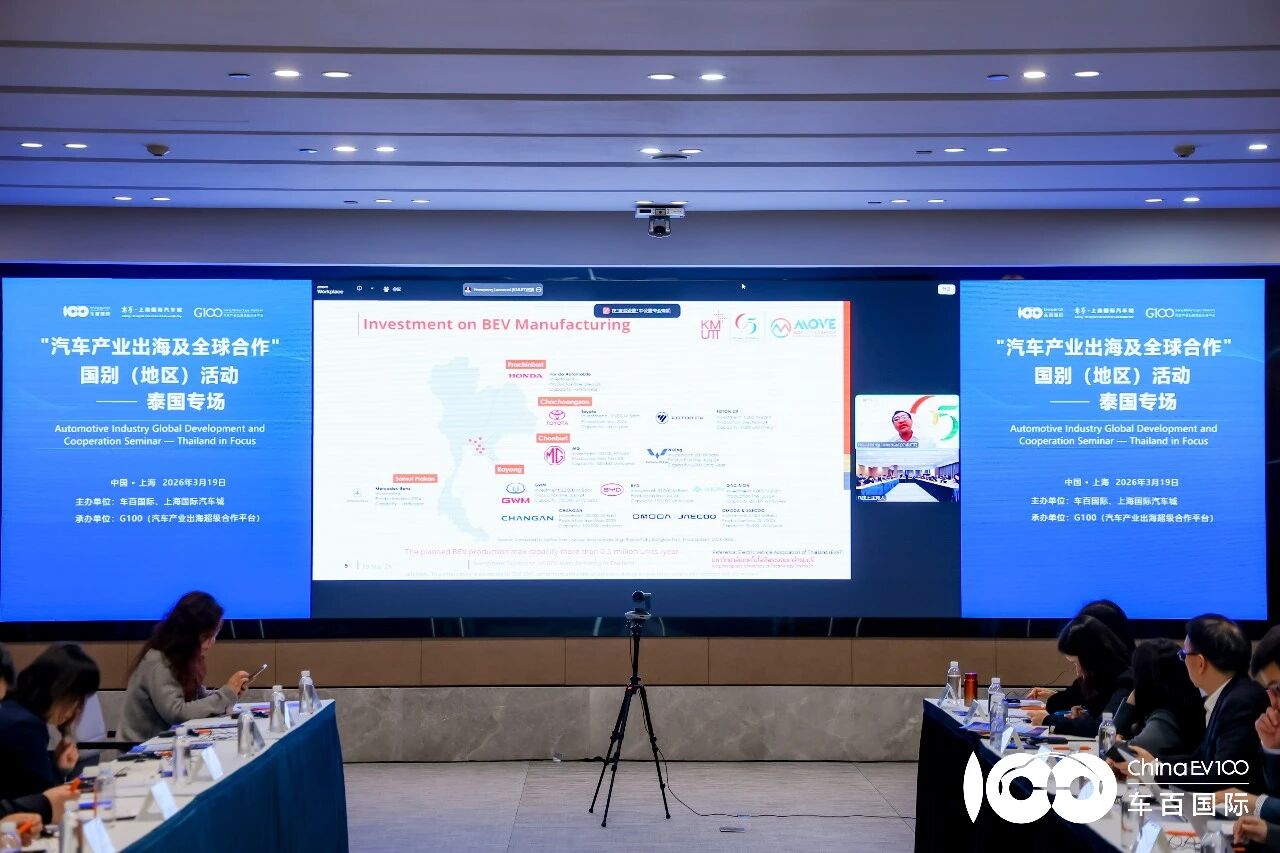
Yossapong Laoonual, Honorary President of the Electric Vehicle Association of Thailand, said that Thailand’s NEV penetration rate is rising rapidly, with Chinese brands accounting for more than half of the NEV models in the market, leaving huge market potential. At present, the growth of charging facilities lags behind that of electric vehicles, with uneven distribution of DC charging piles and heavy reliance on imported batteries. There are huge cooperation gaps in battery production, cascade utilization and recycling. He pointed out that China holds global leading advantages in complete vehicles, batteries and charging sectors, and in-depth integration with Thailand can jointly build ASEAN’s core manufacturing base for NEVs.
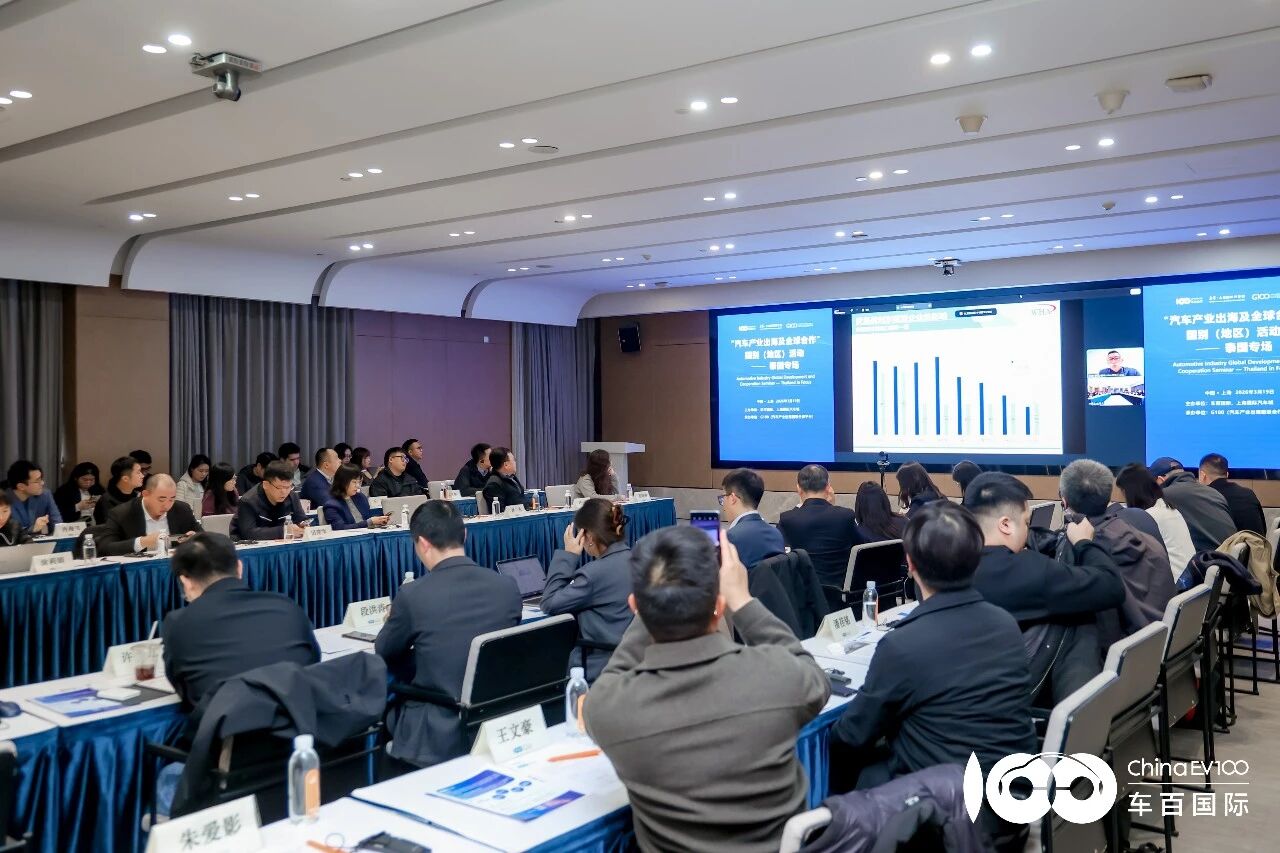
Zhao Di, Managing Director of WHA Industrial Development China, shared the reasons of site selection for overseas investment. He noted that Thailand is a top choice for the global expansion of China’s automotive and high-end components, with higher labor efficiency, more complete industrial supporting systems, more stable energy supply and greater foreign exchange freedom compared with other Southeast Asian countries. It also allows flexible introduction of foreign labor to fill the labor gap, effectively reducing the operational costs and risks of enterprises’ overseas localization. Relying on the ASEAN Free Trade Area and FTAs with many countries worldwide, Thailand can serve as an important hub for Chinese enterprises to connect with ASEAN, European and American markets, supporting their global layout.
03 Global Layout of OEMs and Core Components
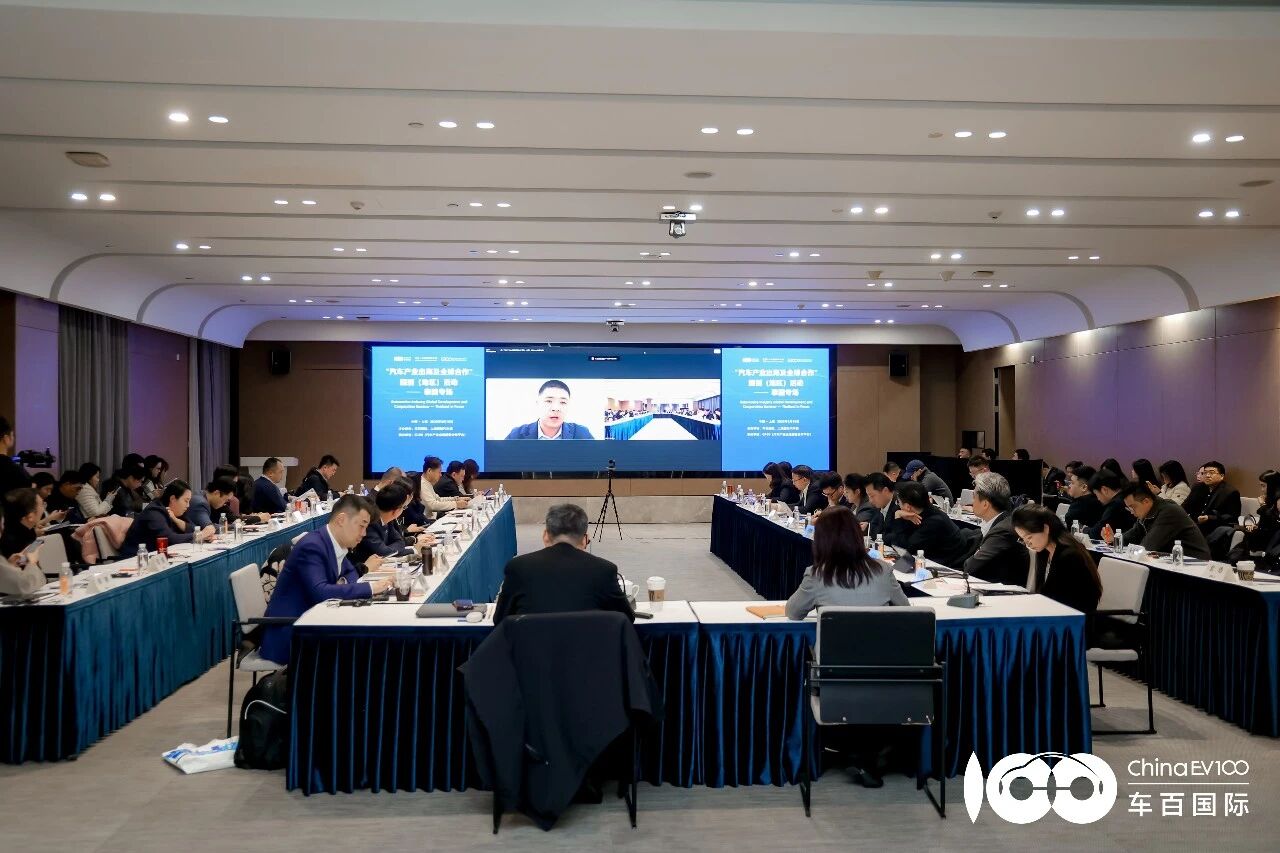
Guo Bing, Senior Director of Procurement at the Southeast Asia Business Unit of Changan, stated that Thailand is a strategic hub for the globalization of Chinese automakers, which should adhere to the concept of local manufacturing. Enterprises should respond to Thailand’s EV3.5 policy to raise the localization rate of the EIC systems, build Thailand into a global base for right-hand drive vehicles, expand into the Australia, New Zealand and UK markets via the ASEAN FTA, and promote the upgrading of Chinese automakers from product export to system export.
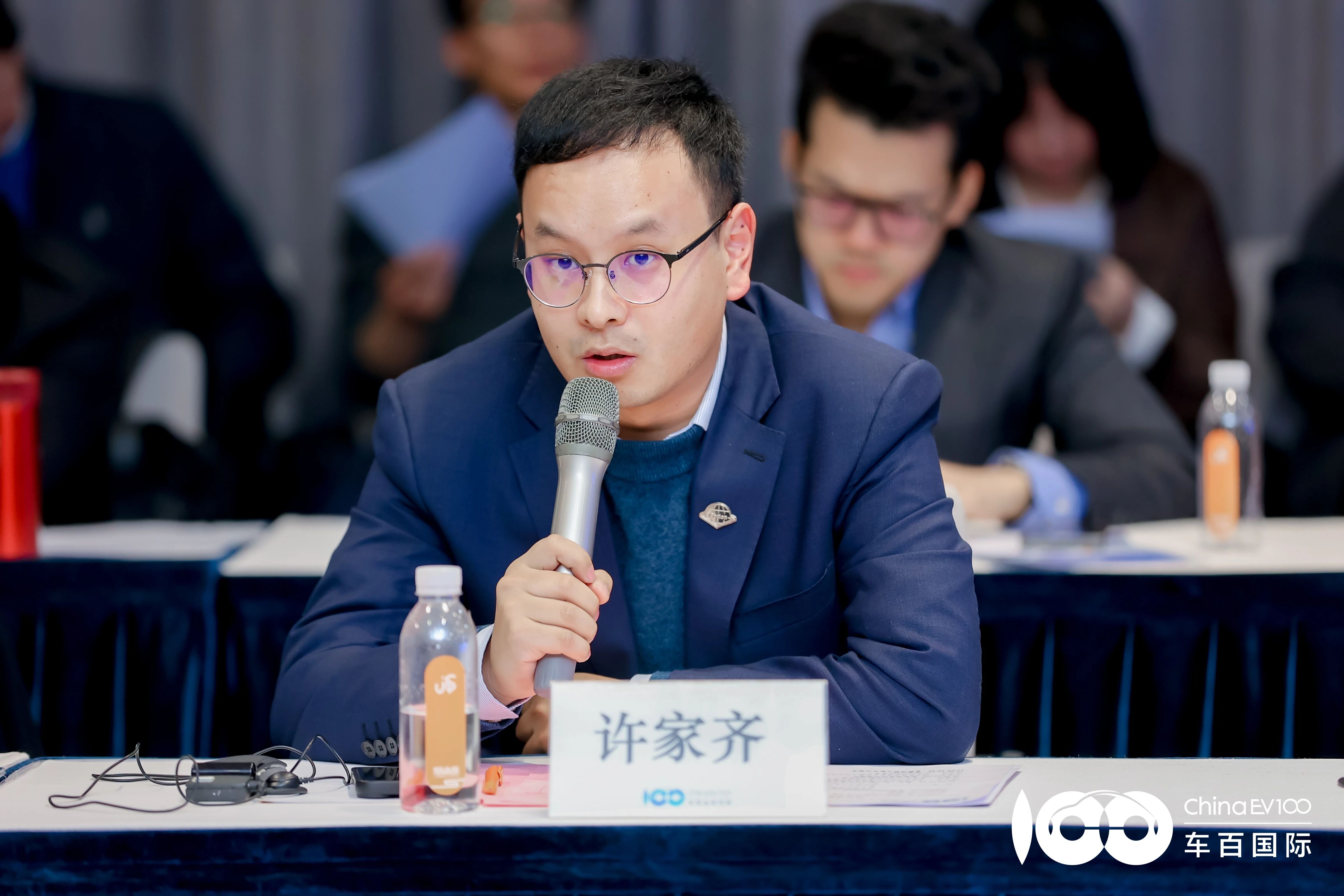
Xu Jiaqi, Representative of Operation and Management Center of Gotion High-tech Asia Pacific, pointed out that Thailand is a core pivot for the layout of the Asia Pacific battery industry, with clear policy orientation and a prominent cluster of complete vehicle enterprises. He proposed that Chinese battery enterprises should shift from product export to ecological export, take Thailand as the center to radiate the entire Southeast Asia, and help Thailand build an independent and complete NEV supply chain.
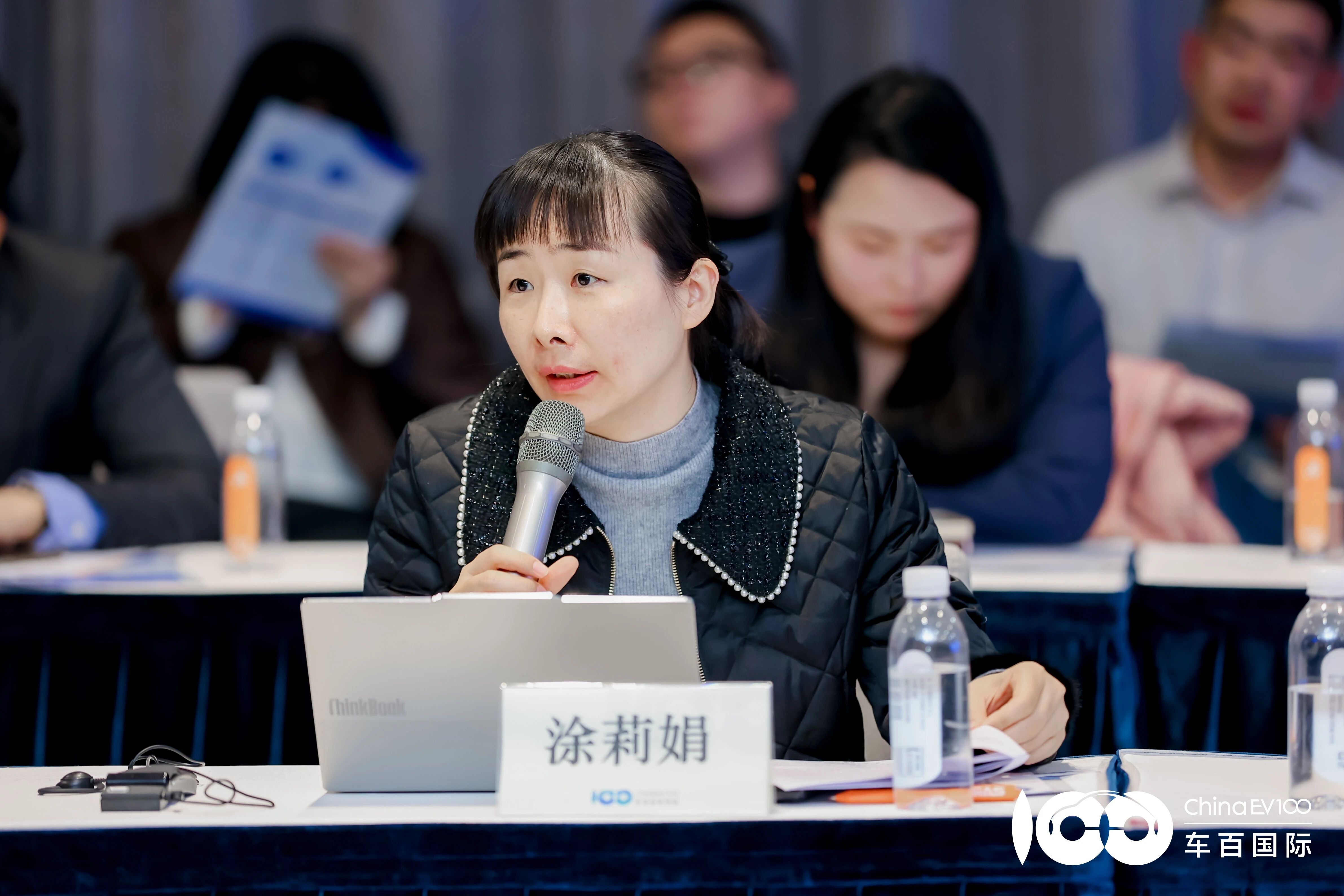
Tu Lijuan, President Assistant and Director of the Strategic Development Department at HSAE, noted that Thailand is a key bridgehead for China’s automotive electronics to shift from expanding overseas via local resources to ecological export, which can support both Chinese and Japanese automakers. Enterprises going global must face risks such as rising costs, insufficient supporting facilities and trade investigations, and it is imperative to localize high-value-added links, advance technology integration, joint standard-setting and compliance first. She emphasized that the China-Thailand industrial chain is not just a supporting relationship but a complementary and integrated one, and both sides should jointly formulate standards and build a green ecosystem.
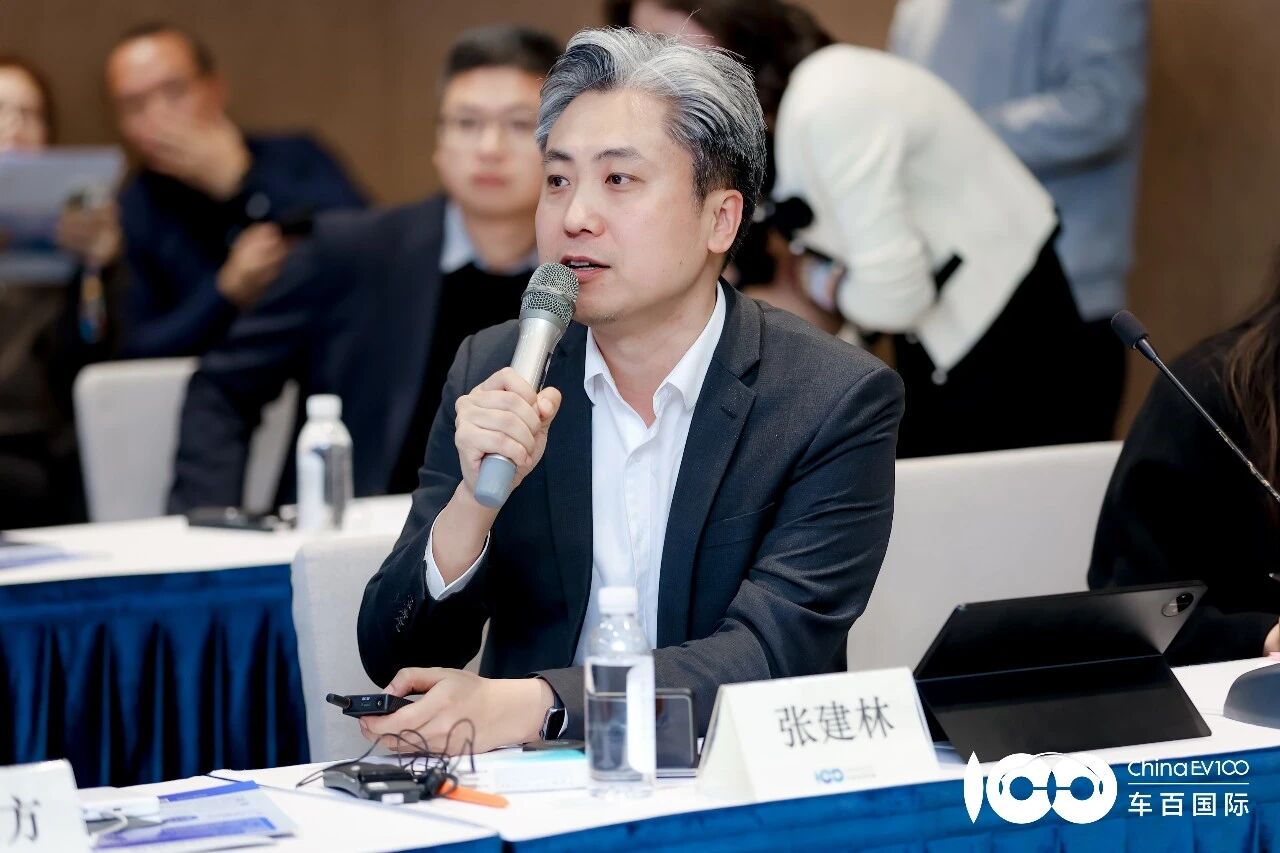
Zhang Jianlin, GM of Matic Shanghai, said that Thailand’s automotive industry is accelerating its upgrade to intelligent electrification, with strong demand for modular and lightweight chassis. China’s drive-by-wire chassis and skateboard chassis technologies have global competitiveness, which can simplify overseas production processes and lower investment thresholds, becoming an important direction for differentiated and high-end global expansion. He expressed the willingness to empower Thai automakers in local production and supply chain upgrading with advanced technologies and seek partners to explore the market together.
04 NEV Infrastructure Construction
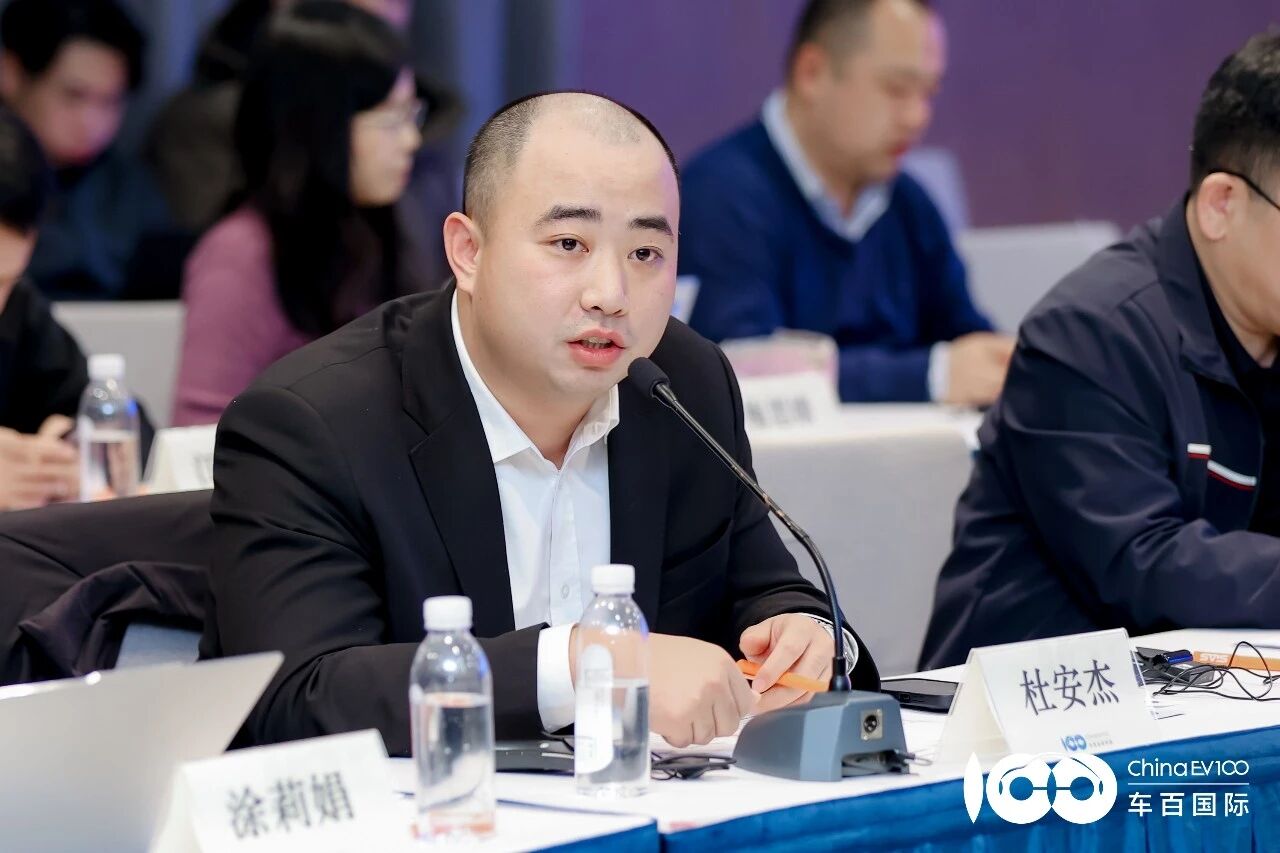
Du Anjie, Overseas GM of LINCHR, pointed out that Thailand’s charging supporting facilities lag far behind the growth of electric vehicles, with three core challenges: stricter certification, electricity price adjustment and weak power grid. Chinese charging enterprises should shift from simple equipment supply to providing solar-storage-charging energy solutions, and promote the mutual recognition of China-Thailand certifications and financial coordination. He proposed that only ecological export can support vehicle export and truly fill the gaps in NEV global expansion.
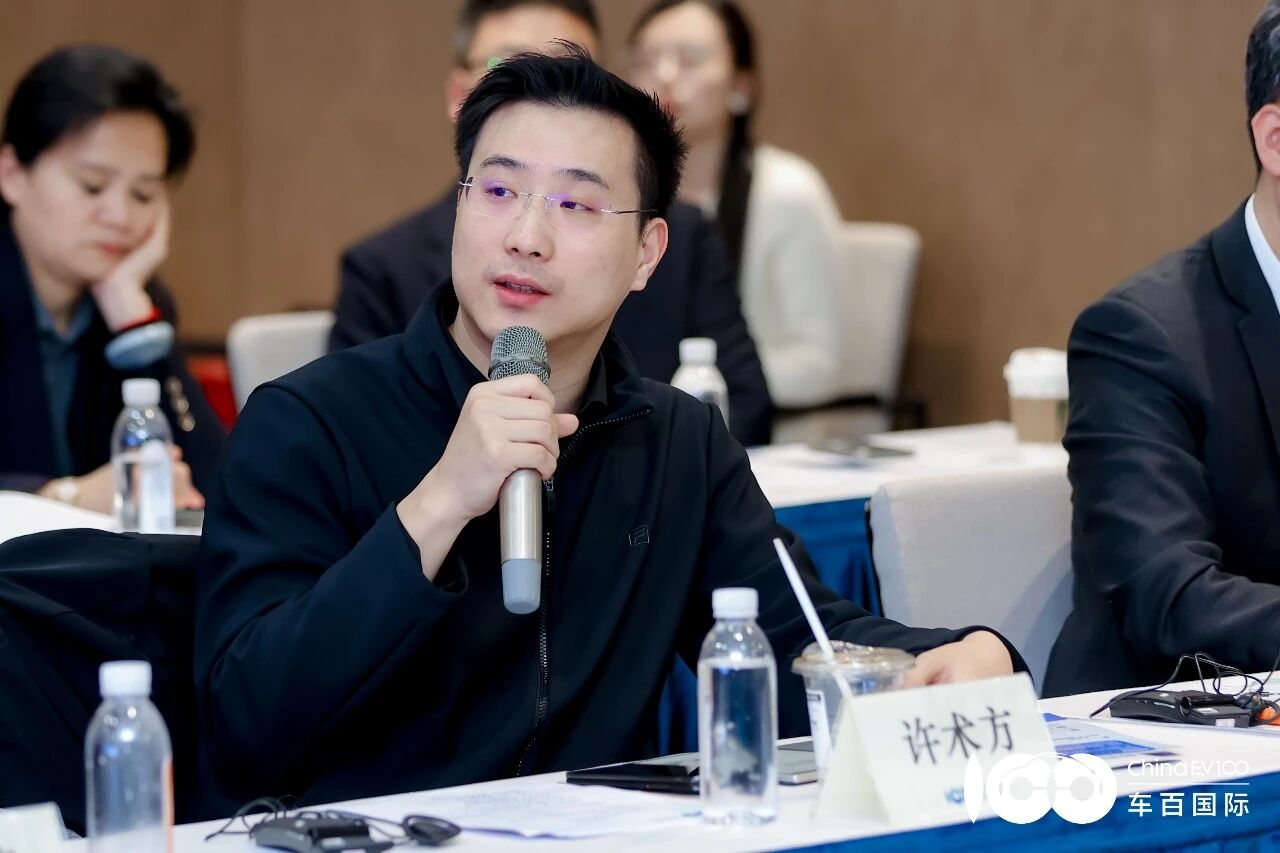
Xu Shufang, GM of the Heavy-Duty Truck Business Unit at the Charging Division of Sungrow, noted that the insufficient carrying capacity of Thailand’s power grid is a key bottleneck restricting electrification, and there is a chicken-and-egg dilemma between the promotion of energy supplement facilities and electric vehicles. China’s mature solar-storage-charging technologies with cost advantages can be first implemented in industrial parks and stations, driving the export of OEMs and components with energy solutions as a forerunner. He suggested that high-power charging and solid-state transformer technologies are more suitable for overseas scenarios, which can effectively solve the problem of power grids.
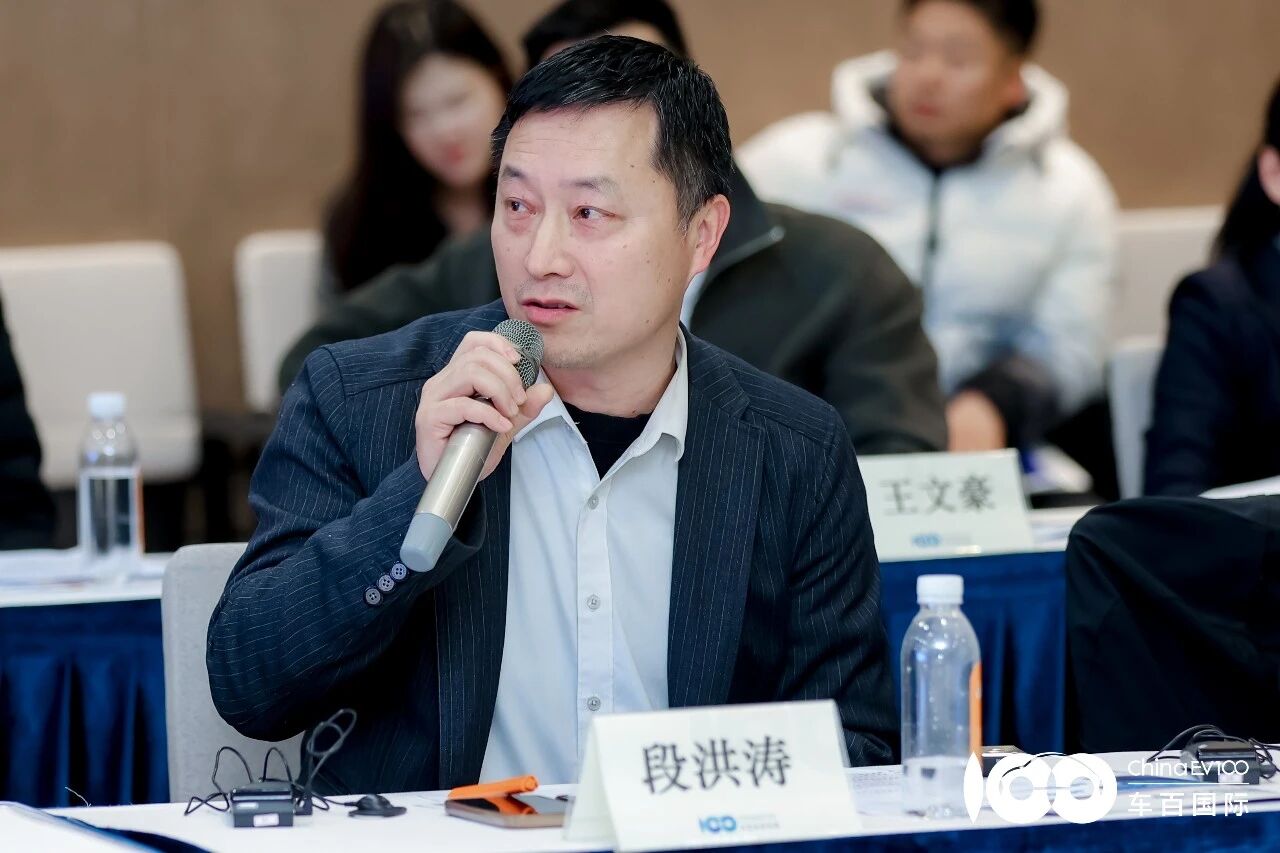
Duan Hongtao, Chairman of Yeshurun New Energy, stated that the electrification of heavy-duty trucks in Thailand is accelerating. Fixed charging stations involve large investment, long cycles and difficult implementation, while mobile charging is an efficient energy supplement solution. Enterprises should take a scenario-based and lightweight overseas expansion path, quickly enter the market with product advantages, and then gradually promote local production and cooperation. He proposed that the combination of mobile charging and photovoltaic energy storage can form a closed loop of power generation, storage, charging and consumption, adapting to the characteristics of the Thailand and ASEAN markets.
05 Intelligent Network and Digital Services
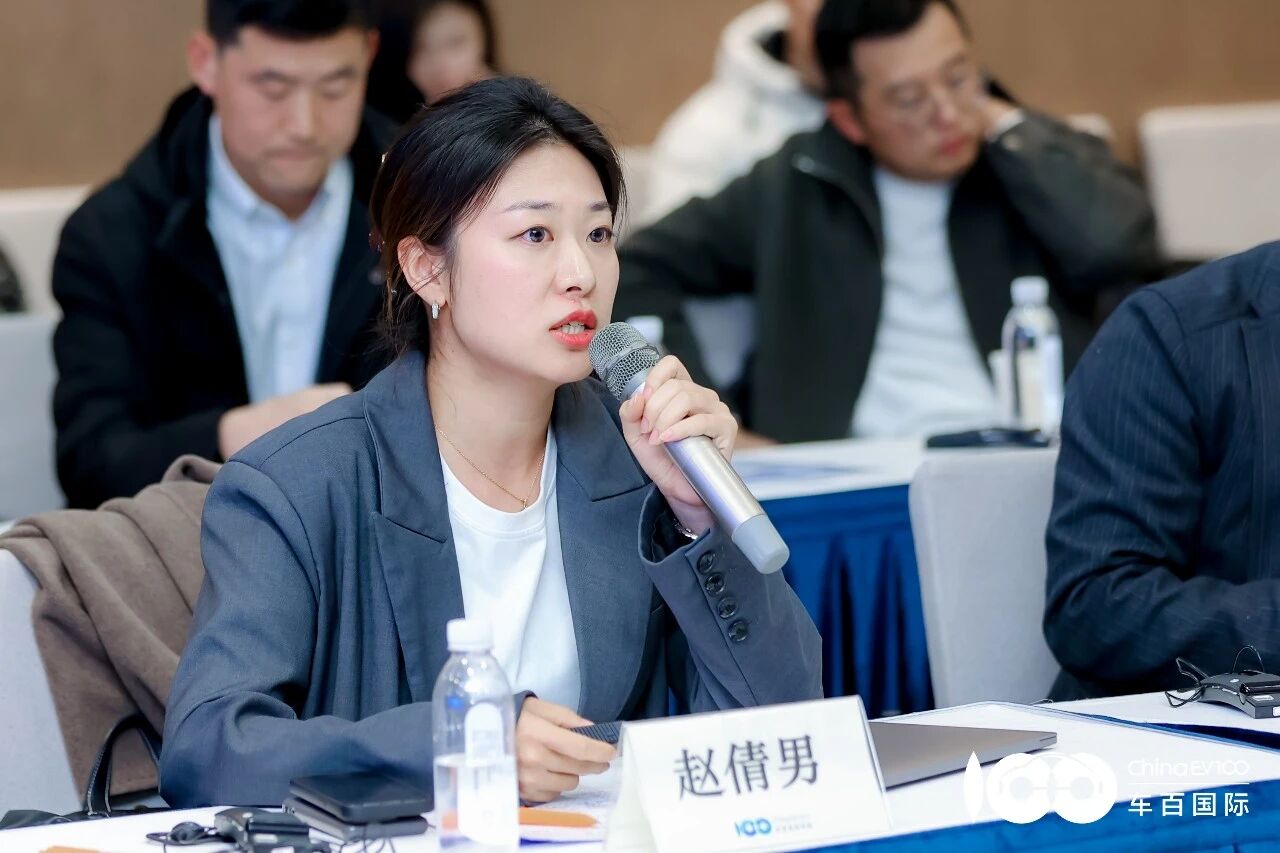
Zhao Qiannan, Vice President and Overseas Business Director of DST, pointed out that China’s automotive global expansion has entered systematic export stage, and services must go global simultaneously. DST will utilize China’s commercial vehicle operation, maintenance, charging and carbon management experience in Thailand, build a localized service system, and fill the gap in overseas after-sales services. She emphasized that the coordinated export of the entire service chain is the key to ensuring the steady operation and long-term development of Chinese automakers in Thailand.
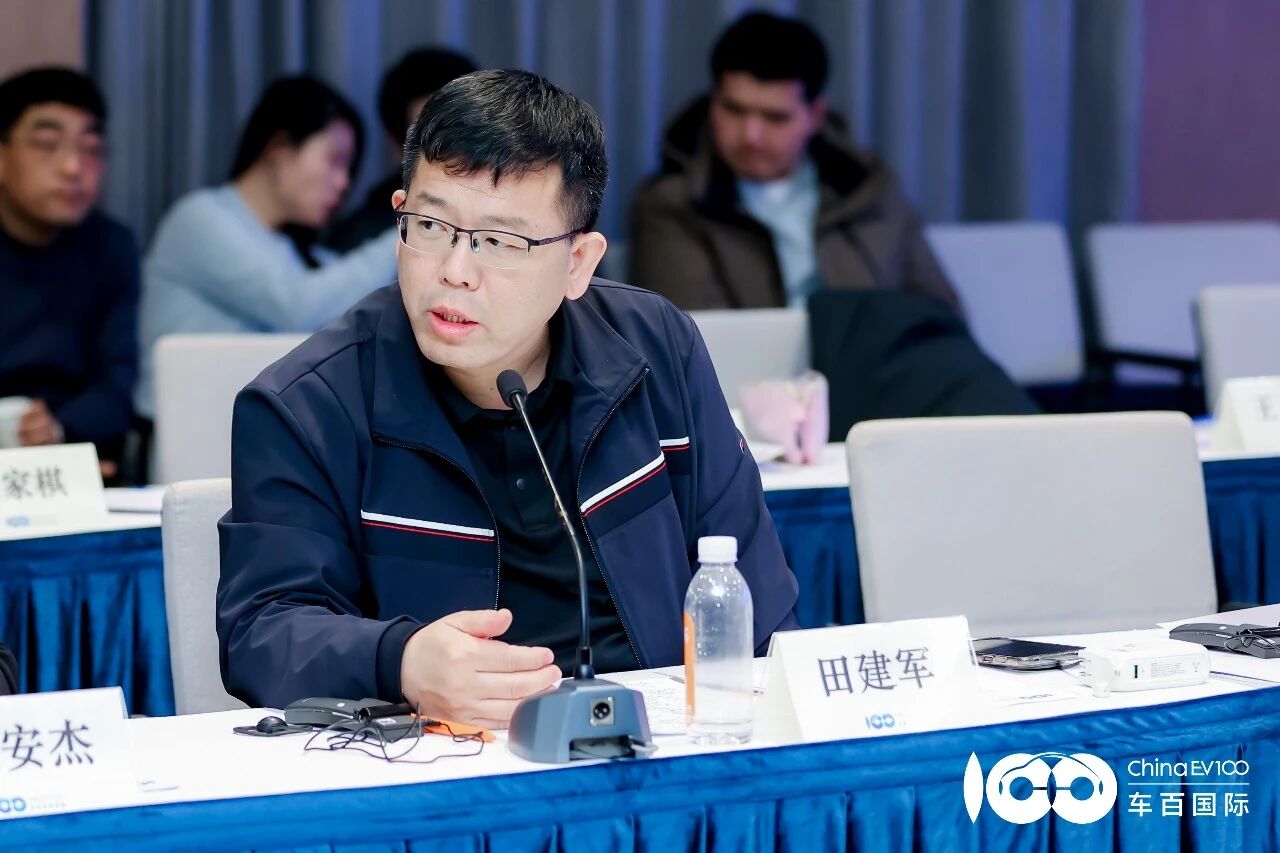
Tian Jianjun, GM of the Overseas Business Unit at Yaxon Zhilian, noted that high-level design is essential for expanding into Southeast Asia, and the model of investment in Singapore, R&D in Malaysia, production in Thailand is the most efficient. Enterprises going global must attach importance to local compliance and secondary supply chain supporting facilities and realize risk-controllable by relying on the policies of the ASEAN FTA. He proposed that this is a feasible path for small and medium-sized component enterprises to expand overseas steadily and connect with European and American markets.
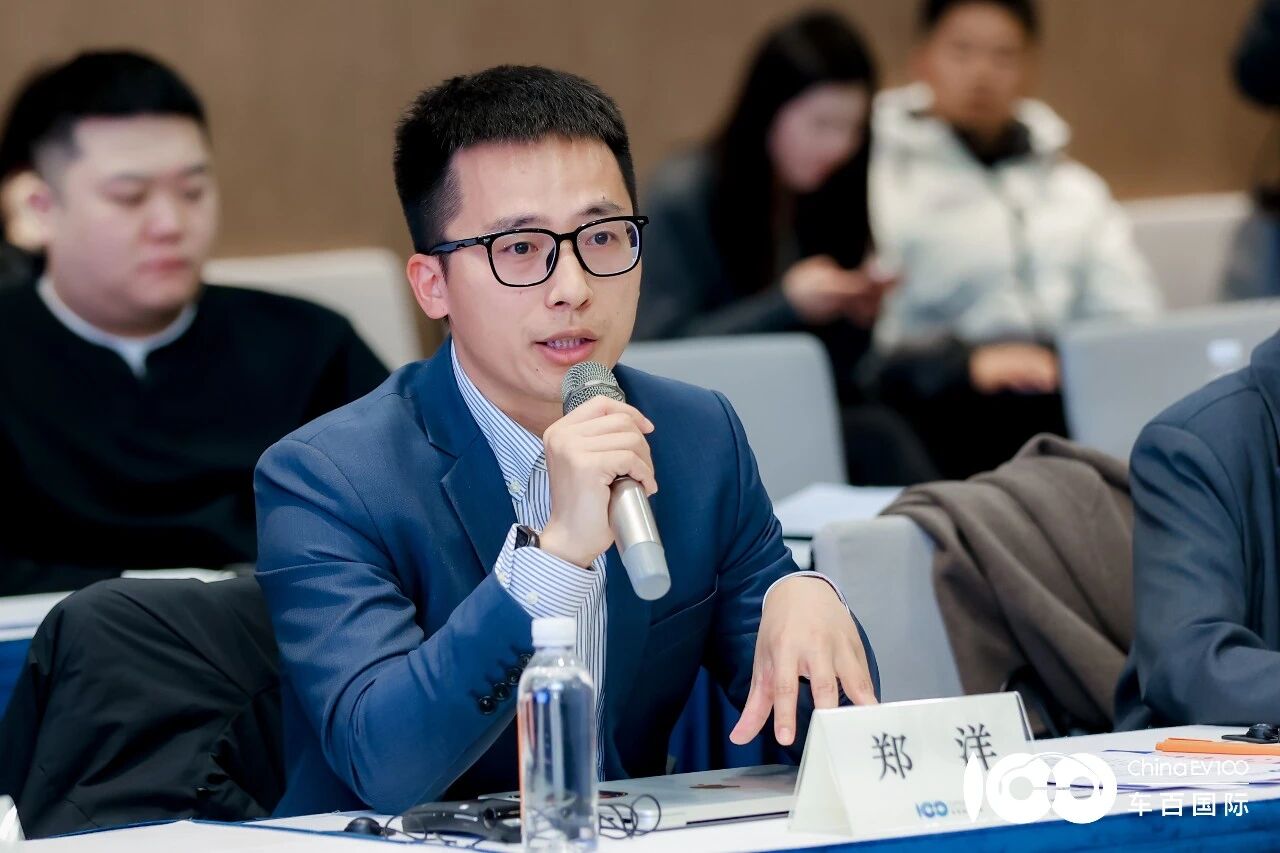
Zheng Yang, Senior Solution Architect of the AI Automotive Industry at Alibaba Cloud, stated that the integration of AI and the automotive industry is accelerating. In the future, the full-stack AI cloud will support global automakers in building leading technological architectures and intelligent experiences.
06 One-Stop Support Services for Global Expansion
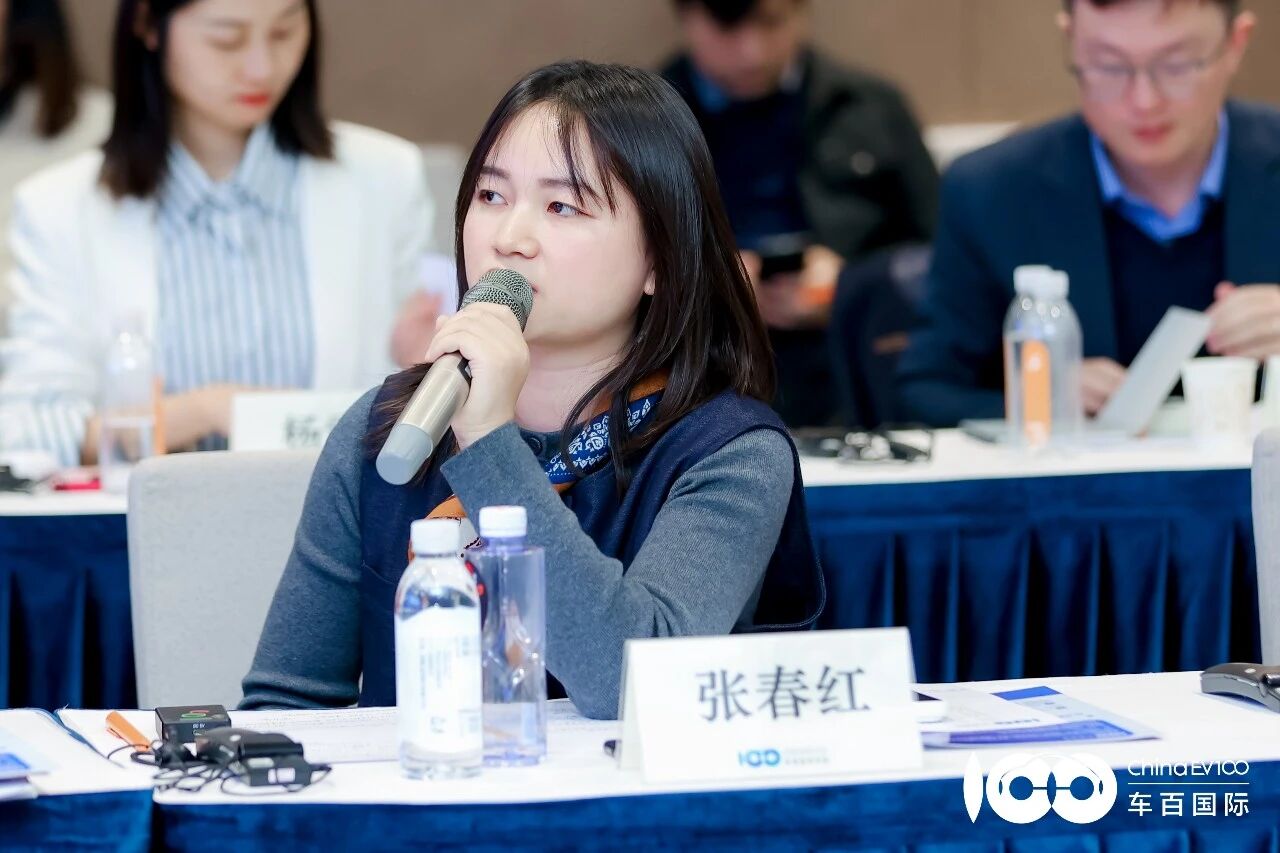
Zhang Chunhong, Partner of DT Law Office, pointed out that Thailand’s business environment is highly friendly to Chinese enterprises, featuring fast registration, low tax burden, light social security contributions, free repatriation of profits and permanent land holding, making it a low-risk choice for overseas expansion. Enterprises must optimize design, complete BOI application, conduct land due diligence and ensure employment compliance. Professional legal services can greatly reduce investment risks and time costs. She added that DT Law Office in Thailand has served 1,800 Chinese enterprises in their overseas landing and can provide one-stop legal and financial tax support for the entire automotive industrial chain.
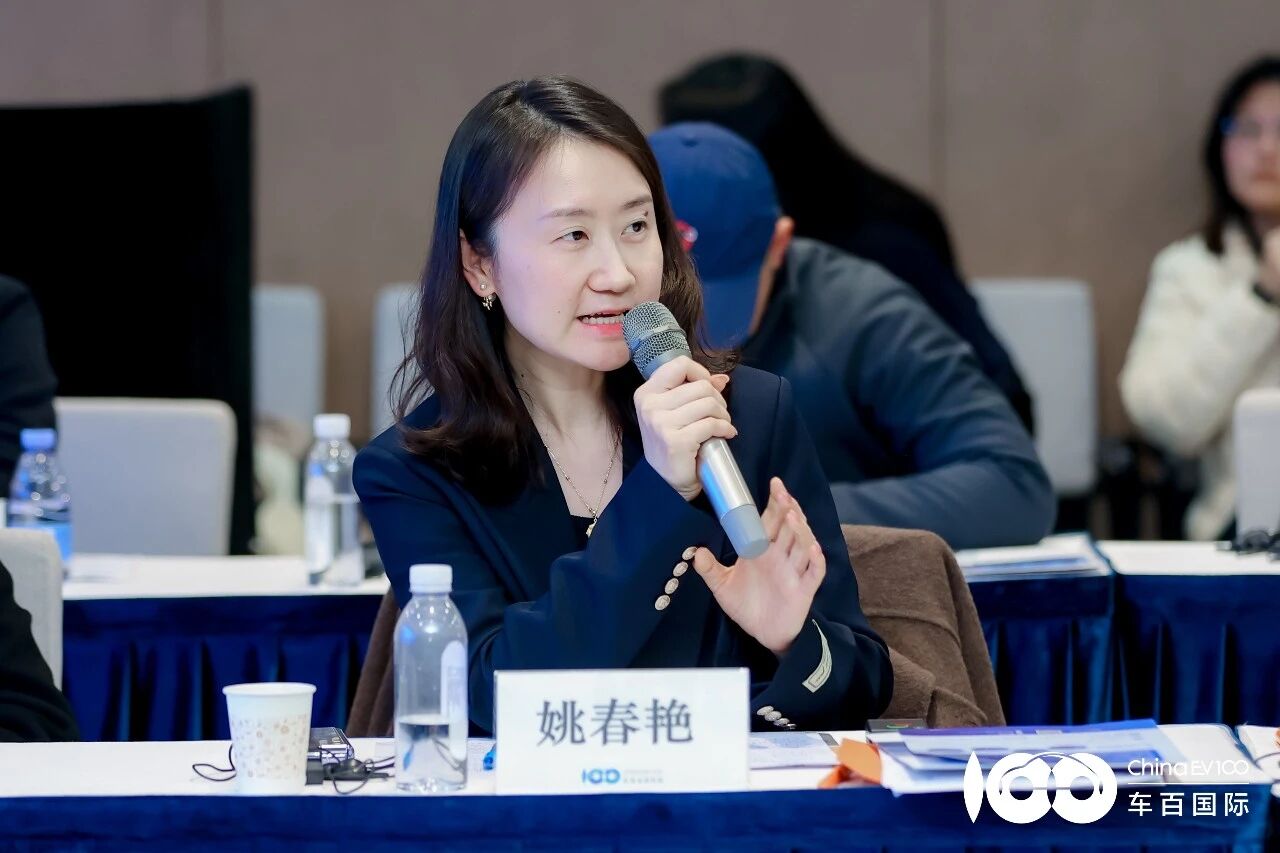
Yao Chunyan, Senior Assistant Manager of the Cross-Border Finance Department at the Bank of Shanghai, noted that the global expansion of the automotive industrial chain requires full-cycle financial support covering settlement, exchange, risk avoidance, financing and guarantee. Banks should provide customized solutions for enterprises based on different overseas expansion models such as product export, capacity export and capital export, and effectively support enterprises’ investment and operation in Thailand through services including cross-border investment policy guidance, currency exchange, trade financing, cross-border syndicated loans, offshore financing against domestic guamntee and exchange rate risk avoidance.
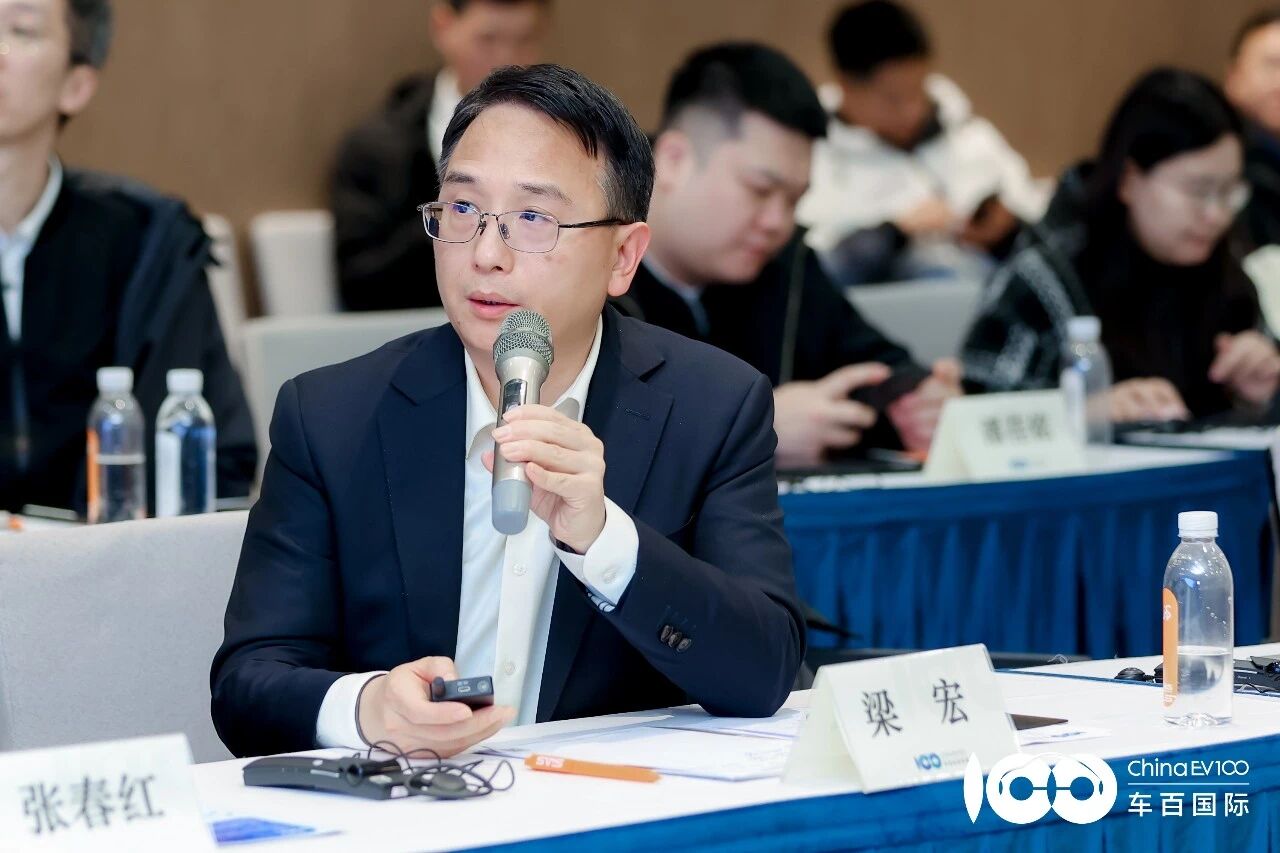
Liang Hong, COO of Xiaolong Technology, stated that Thailand’s automotive after-sales market is transforming from fuel vehicle stock to NEV growth, with huge market space. Auto parts enterprises going global must adopt the model of digitalization, localization and overseas warehouses, strengthen supply chain resilience and strictly control account period risks. He proposed that taking Thailand as the center to radiate ASEAN is an important breakthrough for the globalization of Chinese auto parts enterprises.
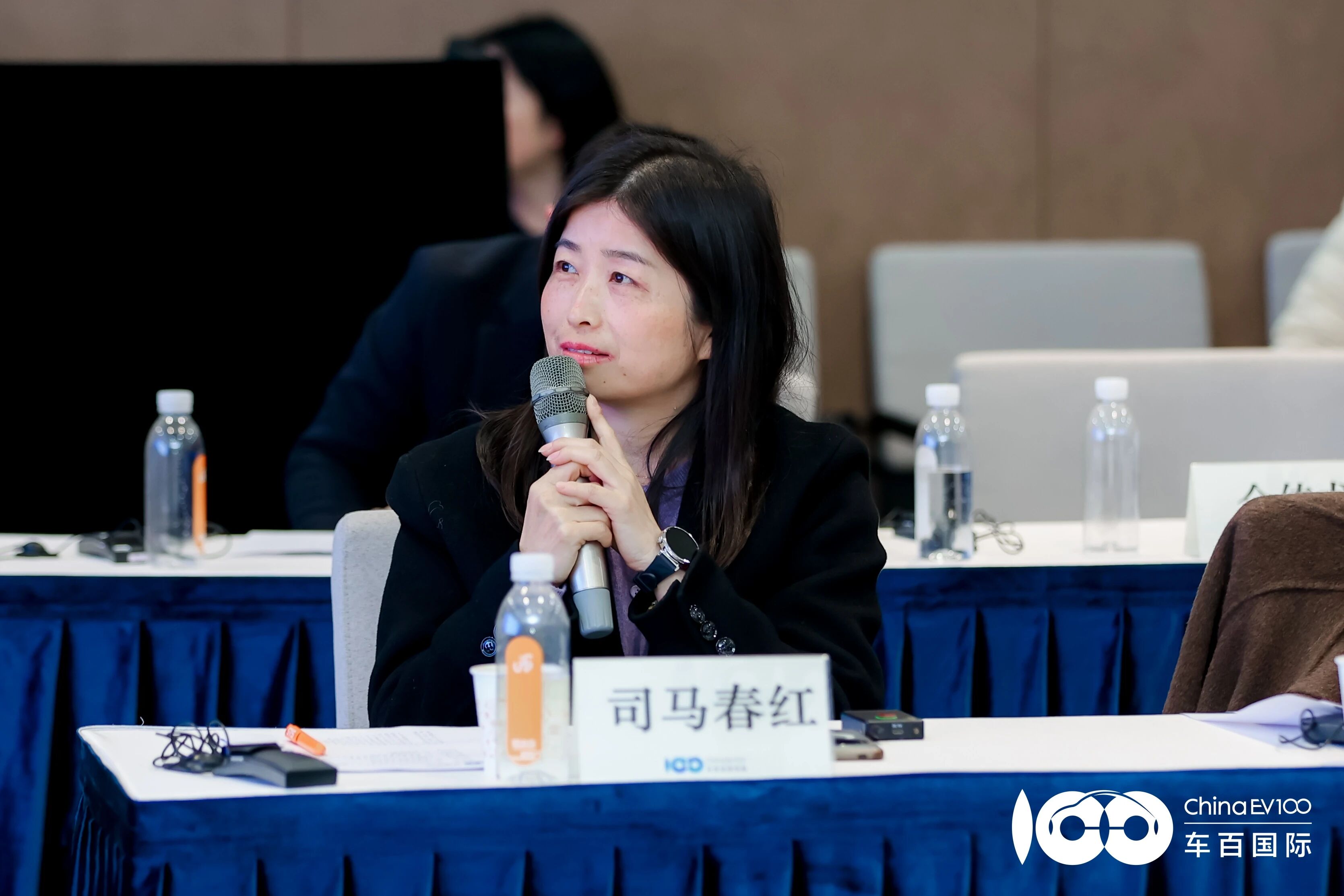
Sima Chunhong, Head of the Automotive Supply Chain Division of SGS China, pointed out that Thailand has strict market access certification and a special high-temperature and high-humidity environment, making product adaptability and compliance the first threshold for overseas expansion. She emphasized that passing certification quickly and reducing recall risks are the keys for Chinese enterprises to successfully enter the Thailand and ASEAN markets.
Liu Xiaoshi said that the event comprehensively analyzed Thailand’s market opportunities and landing paths and built consensus on China-Thailand industrial cooperation. In the future, China EV100 will take the Thailand Cooperation Center as a hub, link up with Shanghai International Automobile City, promote the coordinated overseas expansion of the entire chain of OEMs, components, infrastructure and services, support Chinese enterprises to root in Thailand and radiate ASEAN, build a benchmark for China-Thailand NEV industry cooperation, and jointly create a win-win global ecosystem.
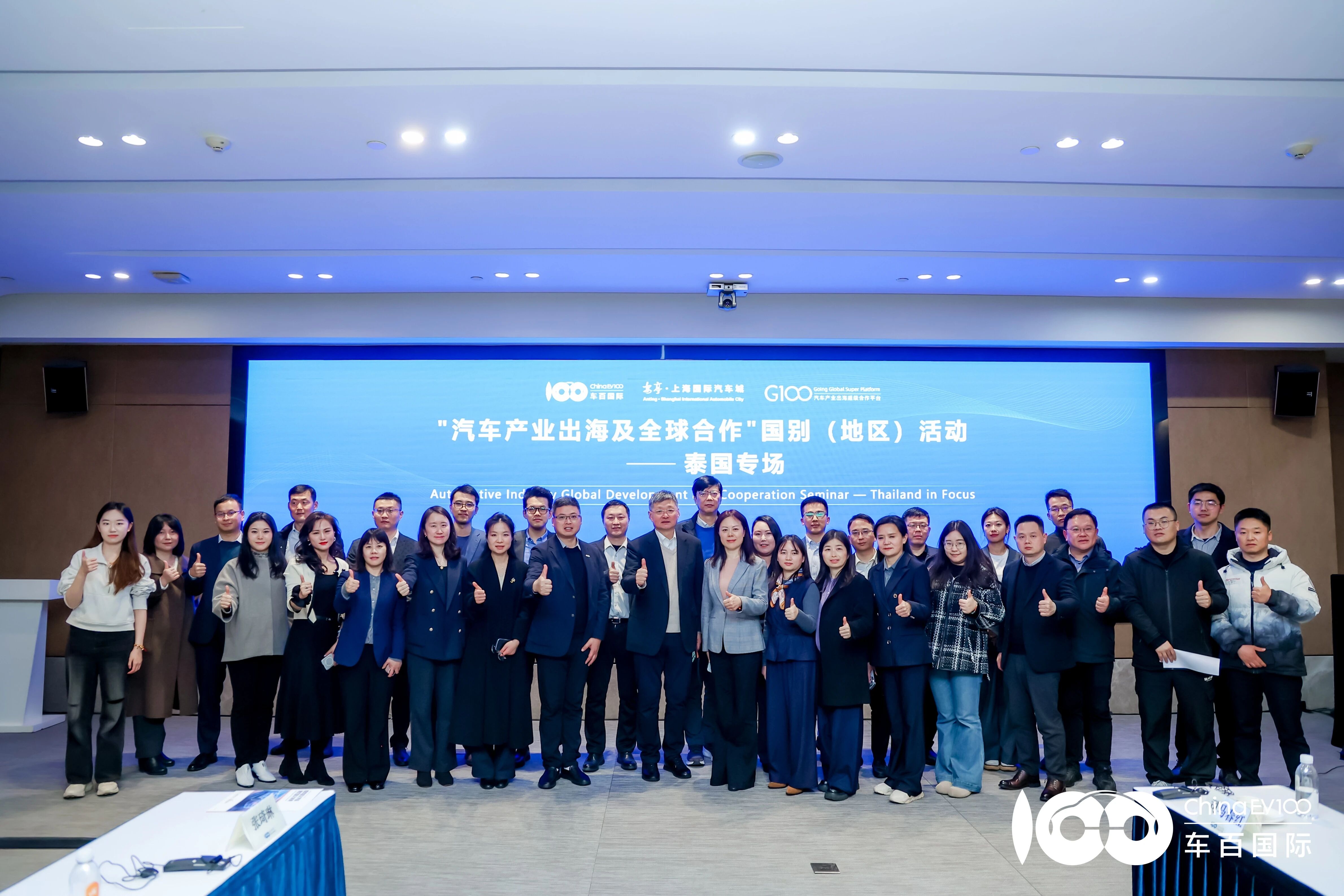
The successful holding of this event has built a bridge for the China-Thailand automotive industry and provided a clear roadmap for the global expansion of China’s automotive industrial chain to Thailand. With the continuous deepening of bilateral cooperation, China and Thailand will usher in a new chapter of higher-level and deeper industrial collaboration in the era of intelligent electrification.


