


On February 2, 2026, Zhang Haiying, DST President, led a delegation to GREEM and held discussions with Zhang Yongwei. They talked about the current development and trends of China’s new energy commercial vehicle (NECV) industry, as well as the opportunities, challenges and development paths for its overseas expansion.
The discussion highlighted a shift from scale growth to refined operations. Sustainable competitiveness now hinges on technology- and service-driven cost reduction. Industry focus has moved to full-lifecycle vehicle management—using digital tools to optimize energy use, maintenance, and asset efficiency—enabling the transition from product sales to service-based value creation. This is central to DST’s role as a bridge in the NEV ecosystem.
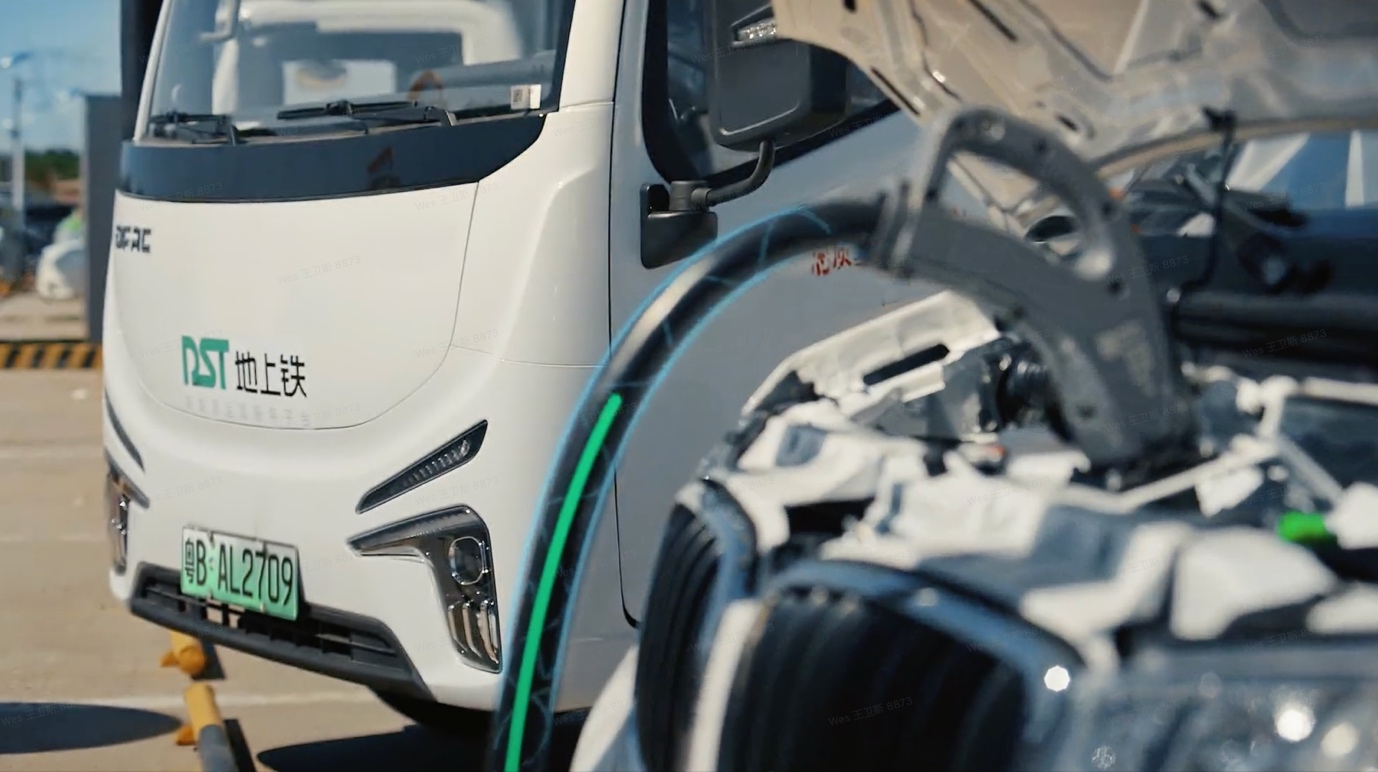
Both sides agreed that NECV after-sales and asset management demand timeliness, transparency, and standardization. Electrification has reduced part count and increased standardization, creating strong potential for standardized, and intensive after-sales services. Platform-based models can significantly cut costs and boost efficiency.
They discussed building overseas after-sales systems and establishing an international think tank and service network. Zhang Haiying emphasized that overseas expansion is not just about product focus; the construction of a full-life cycle service management system is a key concern for overseas users, especially lifecycle operational efficiency. Kang Pinglu, DST CMO, noted that success demands integrated solutions—spanning energy supply, asset management, financial support, digitalization, and service networks—to address infrastructure gaps and weak digital capabilities abroad. Meanwhile, host countries’ localization policies require a “local manufacturing + local services” model. Chinese firms can leverage their strengths in manufacturing, services, and digitalization to enter new markets.
For overseas after-sales implementation, a localized service and operation strategy is most effective. Traditional automaker distribution networks proved slow to scale and fragmented in experience. Now, partnerships—including authorization and joint ventures—with local firms—can integrate energy, maintenance, connectivity, and digital platforms to build next-generation service ecosystems.
Zhang Yongwei praised DST’s leadership in NECV service and operations. He stressed that overseas expansion has evolved from product-centric to systemic and that Chinese enterprises must capitalize on their edge in digitalization, services, and manufacturing, prioritize service localization, and accelerate global deployment. Next steps include think tank research on automotive overseas expansion and rolling out service networks in key markets, studying strategic directions, connecting overseas resources and supply chains, and supporting robust local presence.
Both parties committed to deepening collaboration in the NECV after-sales market, jointly connecting overseas partners, building complete service systems, and pioneering intelligent, scalable overseas expansion.
About DST
Founded in 2015, DST NEV service network is a leading provider of digital and intelligent operation services for logistics NEVs. Empowered by eco-friendly and sustainable industry’s tremendous growth, our mission revolves around advancing the widespread electrification of urban logistics vehicles and achieving a holistic approach to operation cycles. DST’s NEV service network links the entire value chain within the logistics NEV sector through a digital and intelligent operation service network. Their services encompass asset operation services, seamlessly integrating vehicle rentals and sales, charging, storage, maintenance, and cascade utilization. This empowers each industry participant to improve efficiency and amplify value. Additionally, the company champions industry standardization, streamlining the progress of emerging ecosystems for greater simplicity and effectiveness.


