


On December 19, 2025, the China EV100 and Thailand’s Board of Investment (BOI) signed MoU at BOI’s Bangkok headquarters. Narit Therdsteerasukdi, BOI Secretary-General, and Zhang Yongwei, Chairman of China EV100 and Executive Chairman of GREEM, attended the event.
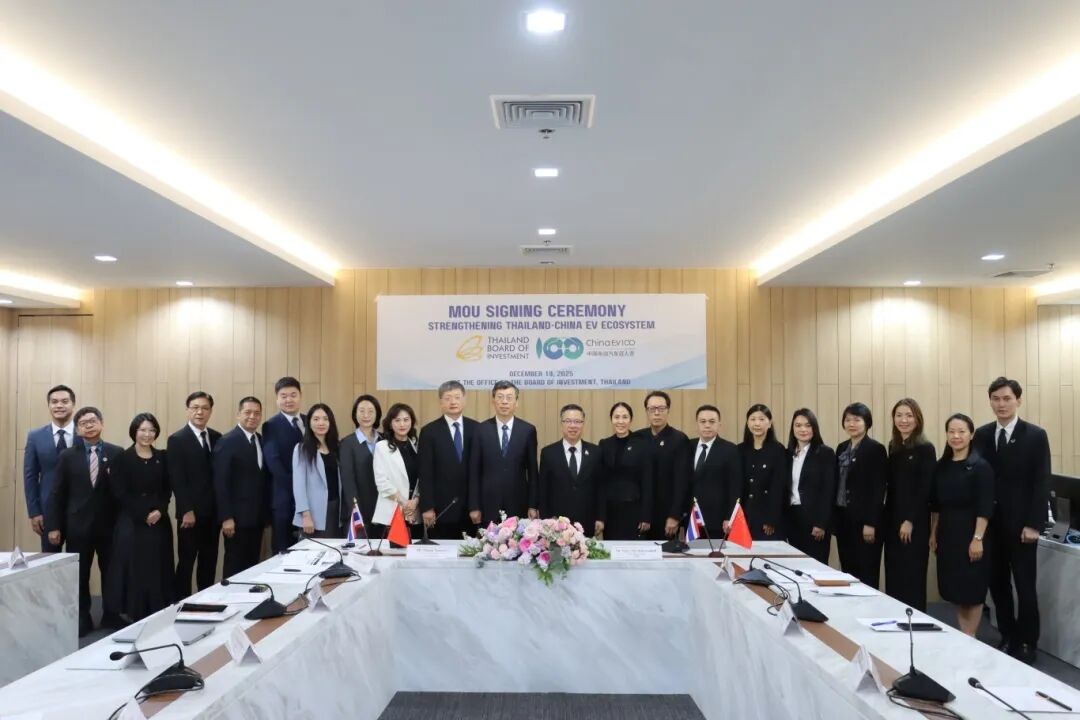
The event drew over 20 representatives, including officials from the Ministry of Industry’s Office of Industrial Economics, the Ministry of Finance’s Excise Department, the Energy Policy and Planning Office, Thailand Automotive Institute, Federation of Thai Industries, Electric Vehicle Association of Thailand, Thailand Automotive Industry Association, Thailand Subcontracting Promotion Association, BOI department heads, and Liu Xiaoshi, Vice Chairman of China EV100 and Director of GREEM.
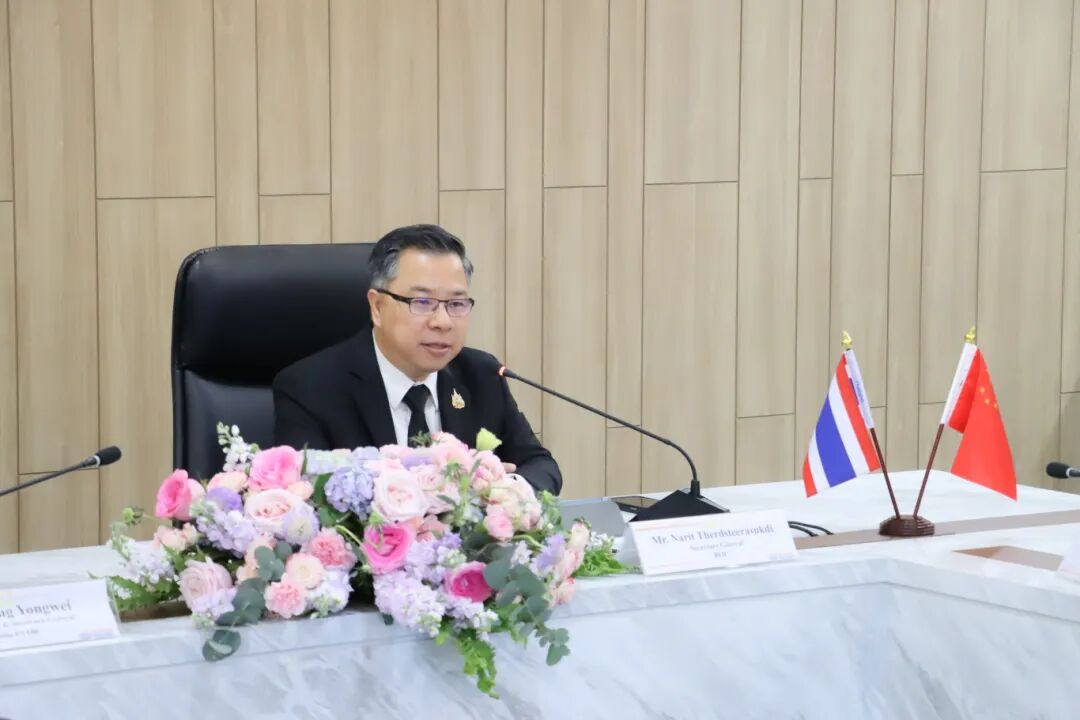
Narit emphasized that as ASEAN’s automotive hub, Thailand offers a strategic location, robust industrial base, open investment environment, and unique access to the broader ASEAN market. In recent years, policies like EV3.0 and EV3.5 have unlocked ample opportunities and favorable conditions for global EV firms in Thailand. As Thailand’s central investment promotion agency, BOI will continue supporting Chinese automakers in investing and operating locally. Through diverse cooperation with China EV100, BOI is committed to deepening integration between the two sectors.
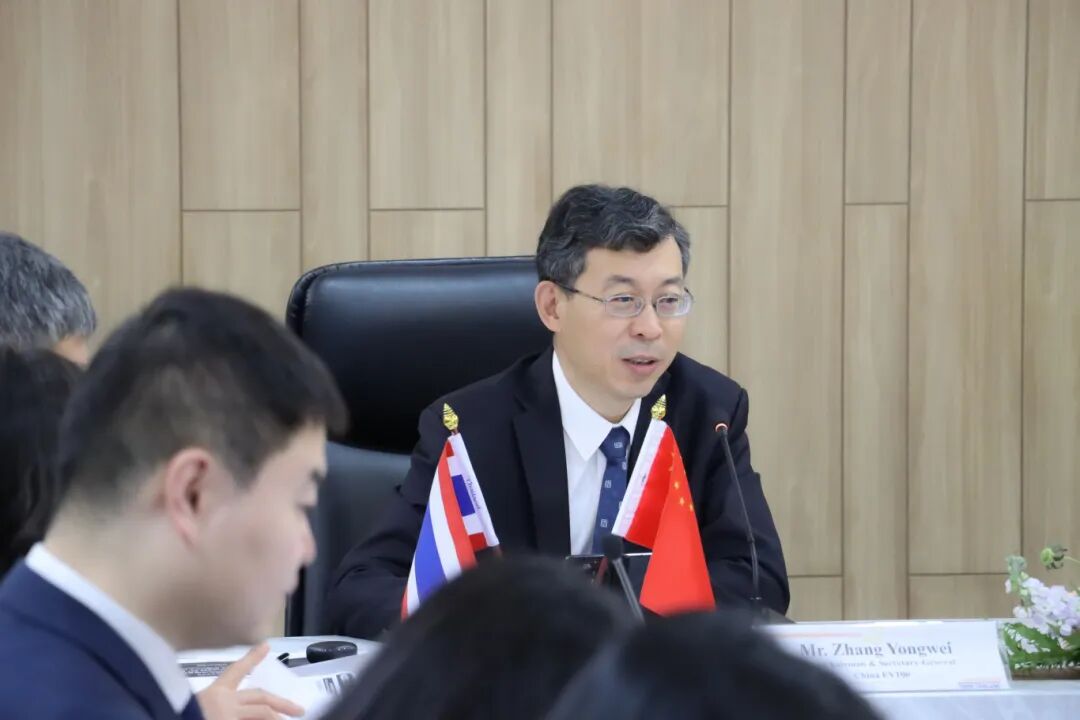
Zhang Yongwei noted that China and Thailand have complementary strengths in the EV industry. In recent years, the two sides have advanced in-depth NEV cooperation, fostering positive cooperation centered on policy, production, ecosystem, and supply chain. Chinese automakers including BYD, GWM, GAC, and Changan, along with part suppliers like CATL, Gotion High-Tech, and Tuo Pu, are expanding their footprint in Thailand. Going forward, both parties will focus on key areas—policy dialogue, experience sharing, industrial and supply chain synergy, and innovation fields and models—to deepen China-Thailand new energy industry cooperation.
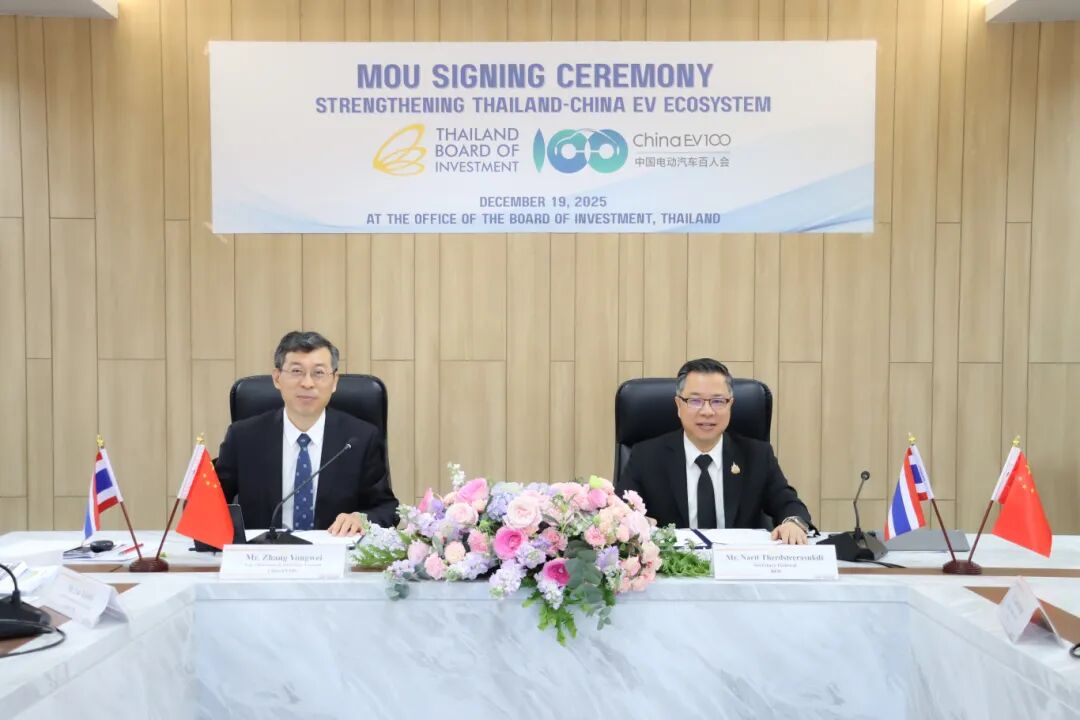
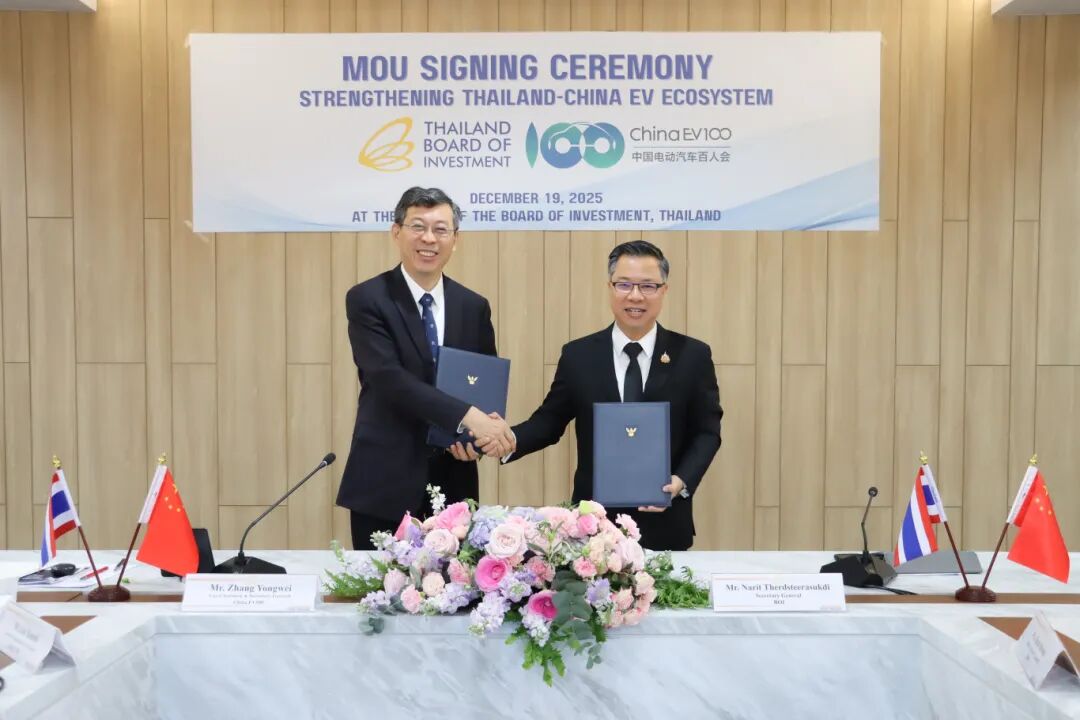
This MoU signing marks a milestone in China EV100 and BOI collaboration and a key launchpad for elevating China-Thailand automotive industry cooperation to a deeper level. Building on this, both sides will seize the opportunity to establish a China-Thailand NEV cooperation platform. We will pursue follow-up initiatives including joint industrial research, industry exchanges, industrial matchmaking, co-developing innovation service platforms, talent training and exchanges, and standards alignment and mutual recognition—jointly driving deep integration of the China-Thailand NEV industrial chain.


