


On December 26, 2025, the 15th Five-Year Plan Automotive Talent Development Seminar and Automotive Talent Platform Preparatory Meeting were successfully held at Shanghai International Automobile City. The event gathered over 30 participants from institutions including Tongji University, Shanghai Jiao Tong University, Dongfeng, SAIC, JAC Group, Ford China, SAIC Volkswagen, SERES, Li Auto, NIO, IM, Schaeffler, NSK, Baolong, HSAE, and CAREER International. Ji Yi, Deputy Director of the Automotive Division of the Shanghai Economy and Information Committee, gave opening remarks. Shi Jianhua, Vice Chairman of EV100 and President of the EV100plus, chaired the meeting and delivered a keynote speech.
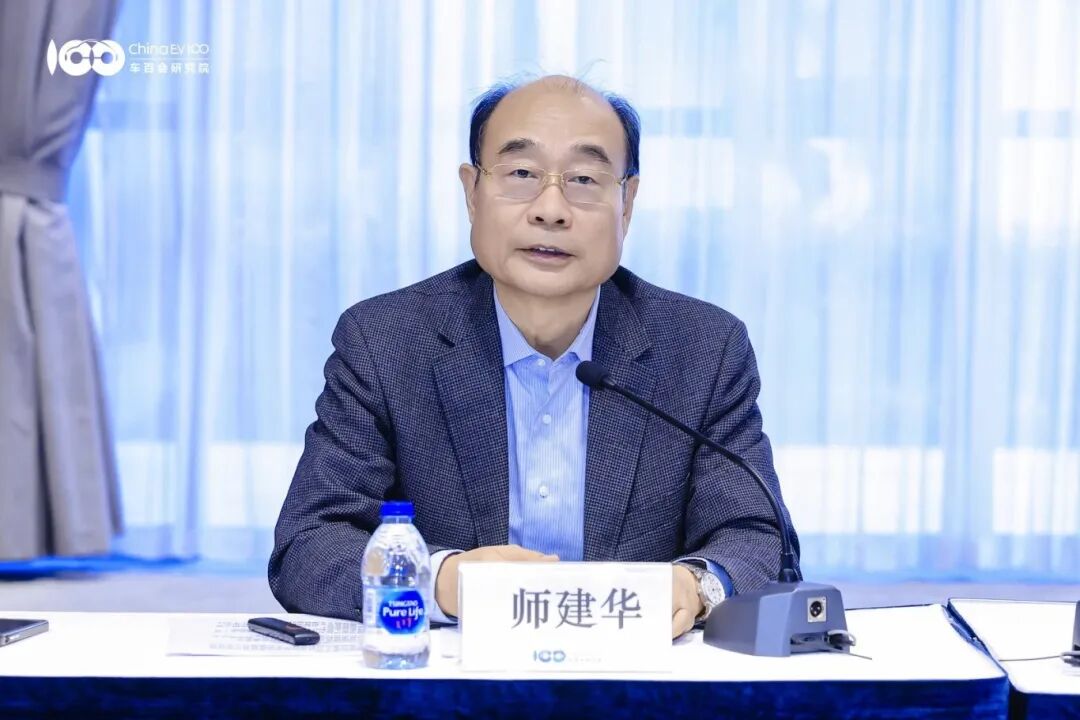
Shi Jianhua offered a comprehensive analysis of the current global and Chinese automotive industry, covering development trends, China’s strategic position, market conditions, and core challenges. He also shared insights on development trends during the 15th Five-Year Plan period, noting that the industry will see further evolution in key areas including accelerating global expansion, industrial integration, commercial vehicle electrification and intelligence, aftermarket growth, technological breakthroughs, and policy adjustments.
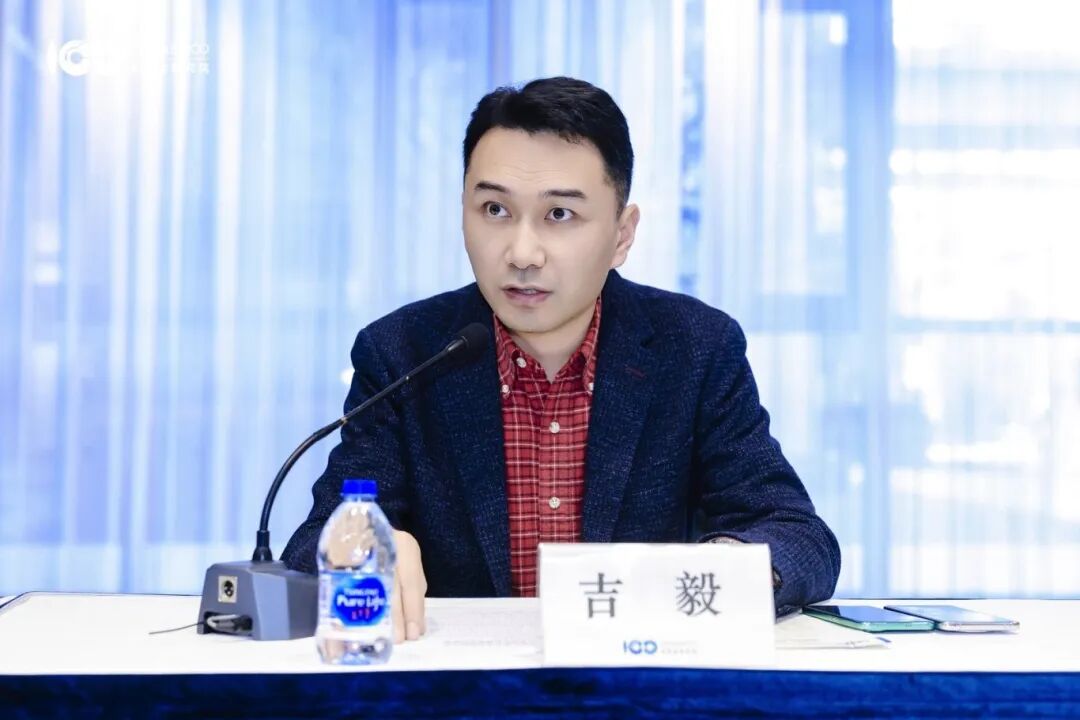
In his opening remarks, Ji Yi noted that the 15th Five-Year Plan period is pivotal for Shanghai to become an international automotive innovation hub, with talent as the core driver. He emphasized that the ongoing industrial upgrade faces a shortage of three talent types: technical problem-solvers, cross-disciplinary professionals, and ecosystem organizers. To address this, Shanghai is unlocking talent potential through industry-education integration, policy innovation, and platform development, building a talent ecosystem with enterprises as the main players, platforms as connectors, and government support—all jointly underpinning high-quality industry development.
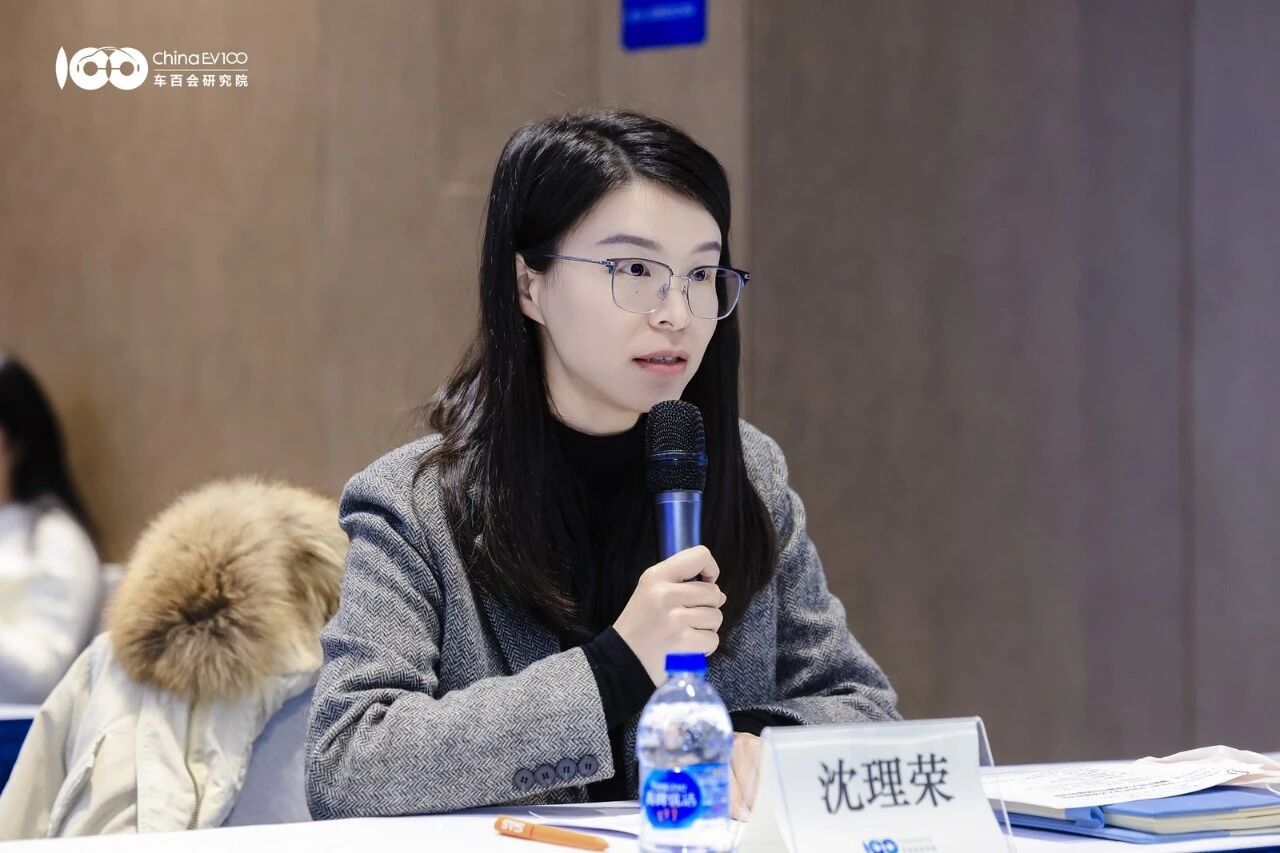
Participants discussed the talent cultivation challenges enterprises face amid industrial transformation and explored pathways for nurturing automotive talent in the new era.
01 Align Talent Strategy with Corporate Strategy
Talent is a decisive factor for corporate success in the new industrial landscape. Enterprises must attract and motivate talent aligned with their overall strategy. This includes expanding recruitment channels, deepening university-enterprise cooperation, providing adequate empowerment, and establishing incentive systems to support strategic implementation and business innovation.
02 Enhance Organizational Innovation and Agility
To adapt to rapid industry shifts, companies must foster innovative organizational ecosystems. The key is to keep organizational structures iteration, adopt product-centric systems to connect departments, and encourage self-organized innovation via many mechanisms, enhancing overall vitality and responsiveness.
03 Reshape Talent Capabilities with AI Tools
AI proficiency is now a higher requirement for almost all roles. Effective use of AI tools is critical for talent cultivation. Enterprises are promoting company-wide AI tool usage via performance assessments and training. Yet the industry still grapples with challenges like attracting top AI talent and nurturing professionals in both automotive and ICT sector.
04 Promote Talent Cultivation through Industry-Education Integration
Enterprises are actively partnering with universities to tailor talent cultivation to meet industry needs. Collaboration models include customized training programs, joint labs, internship bases, co-designed courses, and dual-mentor systems. These efforts seek to shorten talent development cycles and align with cutting-edge technologies. Current priorities include resolving the gap between academic programs and industry demands and enhancing collaborative education in emerging areas such as AI and cross-cultural skills.
At the meeting, Wang Yu, Deputy Director of Industrial Development Center of China EV100, and Bao Yuting, Deputy Director of the Center’s Industrial Development Department, respectively introduced preparations for the Automotive Talent Development Platform and the China Automotive Industry Internationalization Strategy and Practical Training Program. The Automotive Talent Platform, with the core mission of empowering talent development, seeks to support corporate growth and business expansion. It will conduct research and define talent categories and competency frameworks in the new era, then integrate industry resources and partner with enterprises to develop training programs. Additionally, it will host exchange events to promote peer learning and inter-enterprise collaboration. The training program comprises five modules: Competence to Formulate Strategy and Lay Foundations, Industrial Chain Ecosystem Collaboration, Global Insights and Resource Matchmaking, Case Studies, and Field Visits. The faculty includes think tank experts, representatives from international automakers with rich experience, and senior executives from global supply chain enterprises.
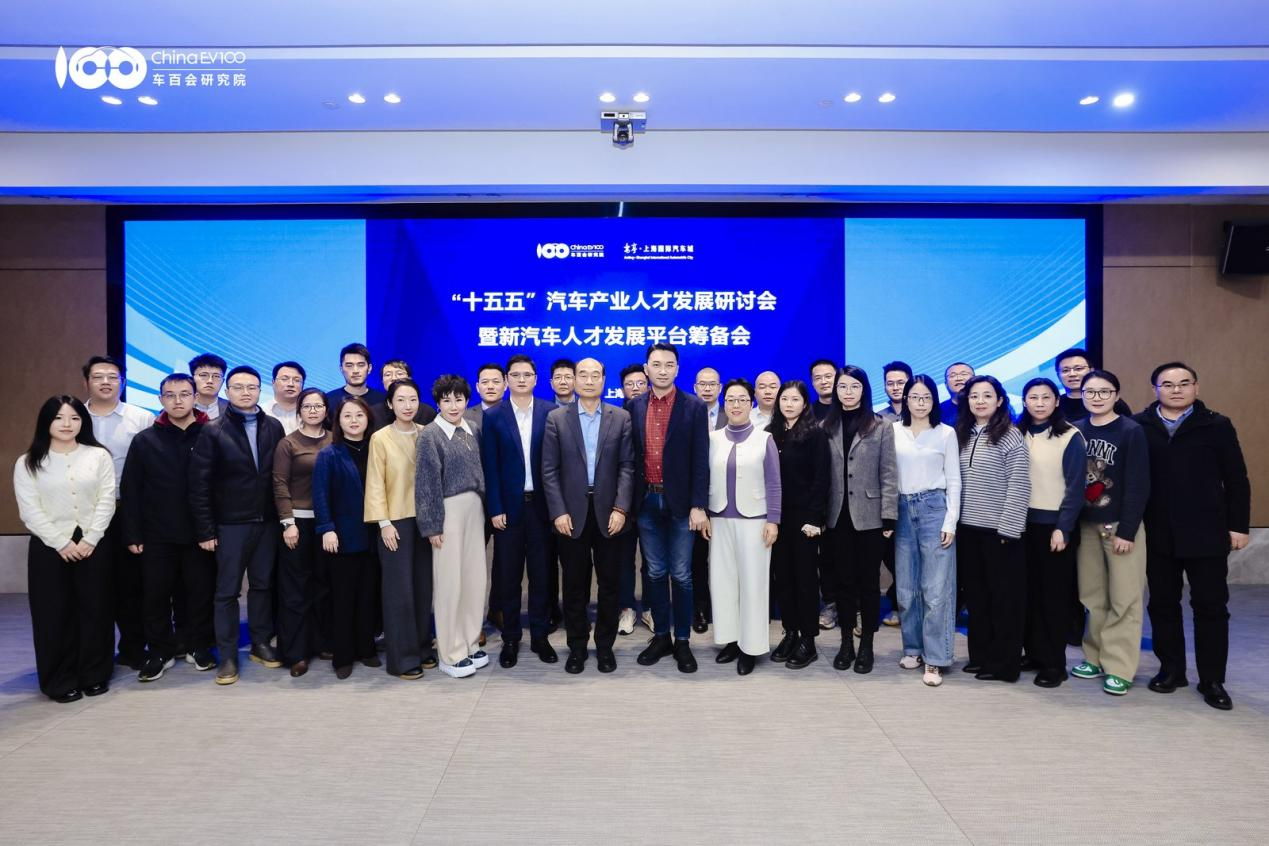
The seminar fostered in-depth enterprise exchanges and created a platform for collaborative innovation in industry talent development. Participants unanimously endorsed the establishment of the Automotive Talent Development Platform and expressed two key expectations: first, the platform will help the industry consolidate and expand NEV technology advantages; second, it will promote the development of a healthy, orderly, and supportive industry talent ecosystem, driving long-term, sound development.


