


On May 13, 2026, the main forum of the Global Future Mobility Conference (GFM2026), co-hosted by the Thailand Board of Investment (BOI), China EV100, and the Global Renewable Energy and Electric Mobility (GREEM), was successfully held in Thailand.
Under the theme "Toward Smart and Green Mobility," the forum brought together government officials, industry representatives, and corporate executives to discuss key topics such as the global automotive industry's transformation toward electrification and intelligentization, Thailand's competitive strengths as a regional manufacturing hub, supply chain resilience and restructuring, and green energy development, laying a foundation for the new energy transition of the regional and global automotive industry.
At the forum, Narit Therdsteerasukdi, Secretary General of the Thailand Board of Investment (BOI), delivered a keynote address outlining Thailand‘s policy direction and strategic vision for accelerating the shift toward smart and green mobility, systematically presenting the country’s roadmap toward becoming a leading regional hub for next-generation vehicles. He noted that the automotive industry is undergoing a profound transformation toward cleaner, smarter, and more connected mobility. Leveraging its strong industrial base, Thailand is accelerating its journey toward a new era of sustainable mobility. Green mobility is not merely an environmental imperative to address climate change, but has become a strategic priority to enhance national energy security and economic resilience. The integration of transport electrification and clean energy will significantly strengthen Thailand's capacity to withstand risks. Thailand will facilitate a smooth upgrade of its fuel vehicle supply chain by supporting a full spectrum of xEV technologies, including Hybrid Electric Vehicles (HEVs), Plugin Hybrid Electric Vehicles (PHEVs), Battery Electric Vehicles (BEVs), and fuel cell vehicles, thus building a bridge toward electrification. To accelerate this transition, the National Electric Vehicle Board of Thailand (EV Board) has introduced comprehensive policies covering the entire supply chain. On the supply side, incentive measures are offered to support the production of complete vehicles and key components, battery and batteryswapping station development, and software development. On the demand side, leveraging the EV3.0 and EV3.5 policies, the government is promoting market adoption through subsidies and tax reductions, while providing additional emissionbased incentives for transitional technologies such as hybrids, leading the industry toward the future.
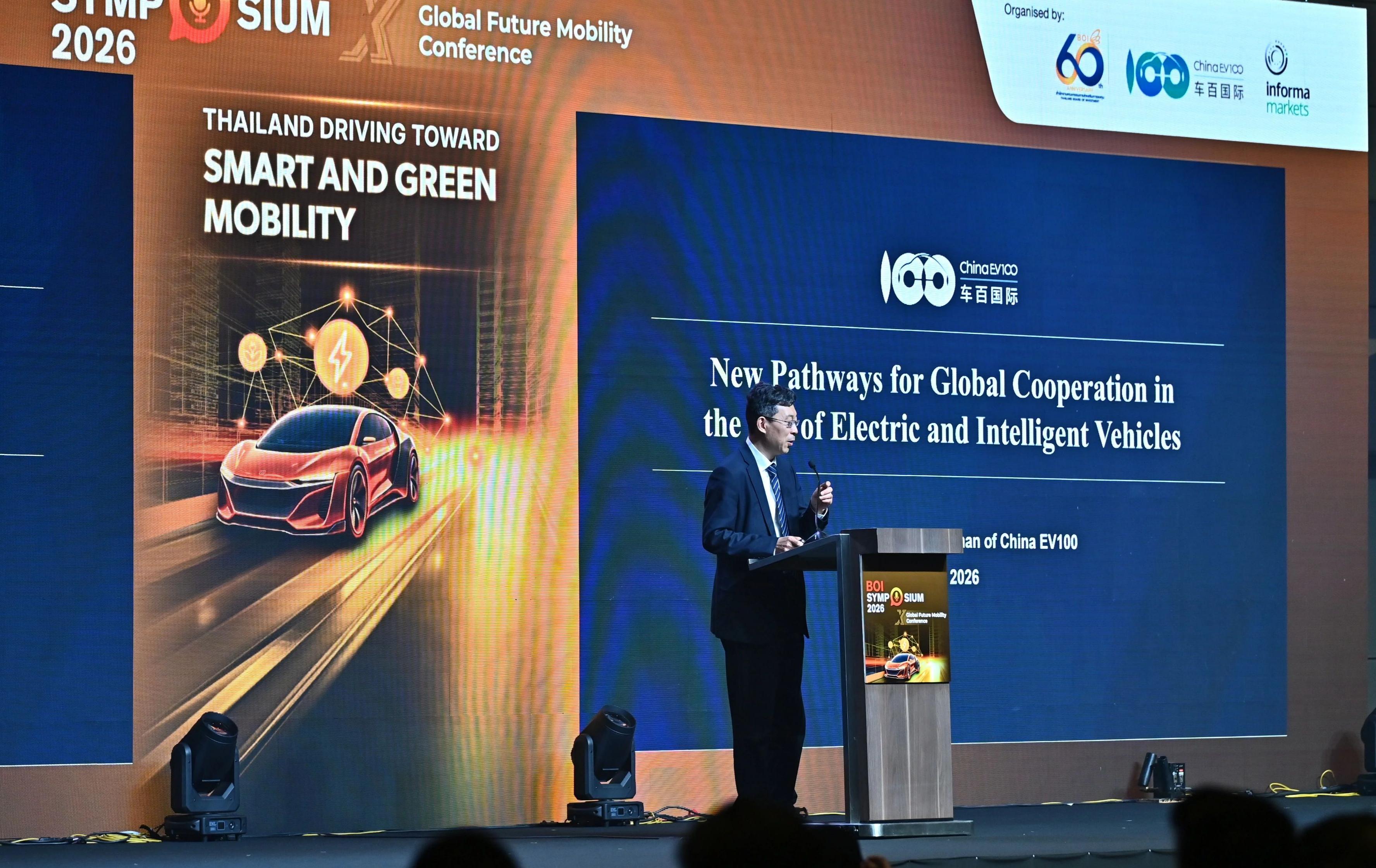
Zhang Yongwei, Chairman of China EV100 Think Tank
Following, Zhang Yongwei, Chairman of China EV100 Think Tank, delivered a guiding speech on the new landscape of international development in the automotive industry and new pathways for cooperation. He observed that global automotive electrification has entered a new phase of acceleration, with global NEV penetration expected to exceed 45% by 2030 and annual sales projected to reach 45 million units. This acceleration is primarily driven by the synergy of energy transformation, the appeal of crossdisciplinary new technologies, breakthroughs in battery technology, and the synergies between NEVs and energy grids. Globalization is an inevitable path for the automotive industry's development. He proposed six pathways for deepening global cooperation: first, deep integration of automotive electrification with green energy development; second, strengthening global cooperation and sharing of technologies in electrification, intelligentization and related fields; third, launching innovative cooperation in manufacturing to help enterprises rapidly establish overseas production capacity and localized manufacturing; fourth, focusing on global collaboration in upstream material resources and core chip supply chains; fifth, promoting global harmonization and mutual recognition of standards for intelligent driving, carbon footprint accounting, and testing and certification; sixth, establishing a unified global battery recycling standard and information platform, and jointly building a resource circular utilization system.
Panel Discussion: Industry Evolution and Localization Challenges
In the panel discussion, Suroj Sangsnit, President of the Electric Vehicle Association of Thailand (EVAT); Ke Yubin, General Manager of BYD Thailand; Christian Swahn, Executive Vice President of Global Supply Chain Management at Autoliv; Joseph Ngo Hong, Managing Director of Bosch Thailand; Li Liang, Vice President of Ecosystem Cooperation at Guangsuo Future; and Shimaya Sugiki, Biofuel Specialist at Mitsui Isuzu, engaged in indepth discussions on key issues including technology evolution, reconstruction of supply chain competitiveness, and green energy synergy.
Topic I: Technology Evolution and Industrial Upgrading in Thailand
When discussing the technological direction of Thailand's automotive industry over the next three to five years, the panelists agreed that the industry's core is shifting from traditional mechanical manufacturing toward an ecosystem driven by software, energy, and data.
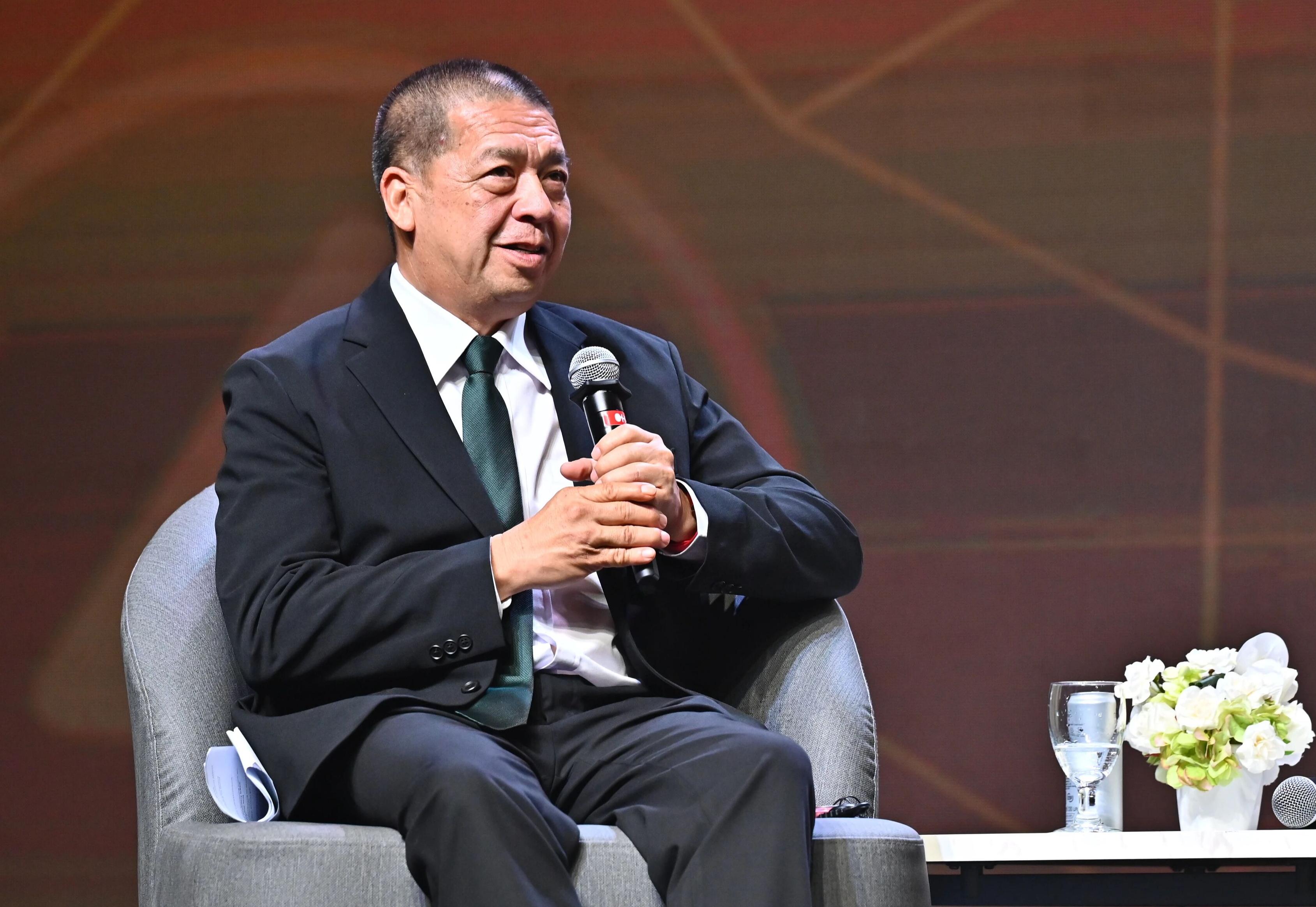
Suroj Sangsnit pointed out that the automotive industry is no longer solely about manufacturing. The future competitive core will shift toward battery technology, smart charging, intelligent driving, and softwaredefined vehicles. Competition in the industry is shifting from sales volume to ecosystem. Thailand must transform from a mere production base into a regional hub for EV technology, component testing, standardsetting, and talent development.
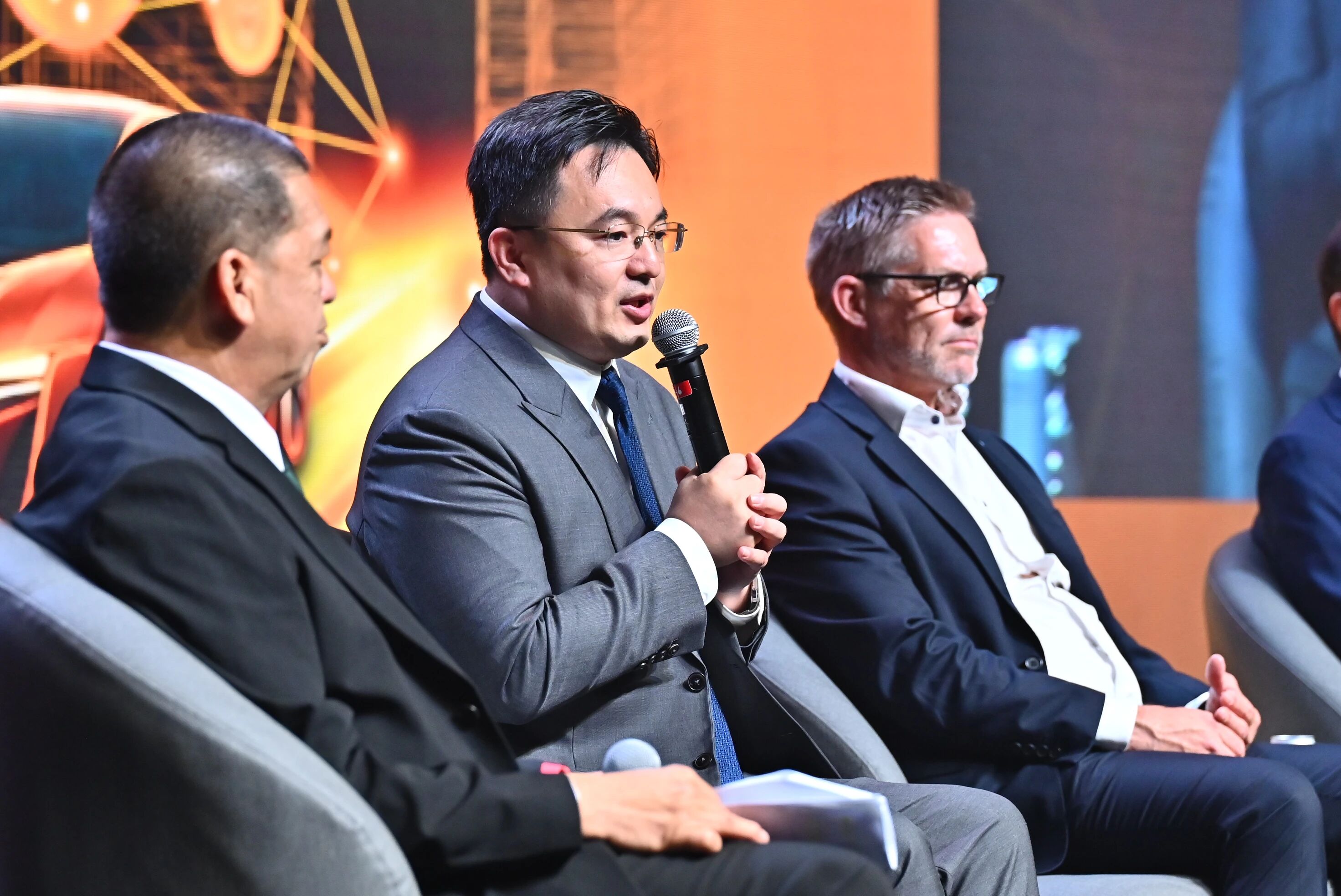
Ke Yubin, analyzing Thailand's high energy import dependency, noted that due to infrastructure limitations, PHEVs, which combine internal combustion and electrification, will present a major opportunity in the coming years. Flash charging technology integrated with energy storage can enhance the experience of electric mobility. Looking ahead, as electrification penetration accelerates, the industry will rapidly enter an intelligentization phase centered on intelligent driving, smart cockpits, and related services.
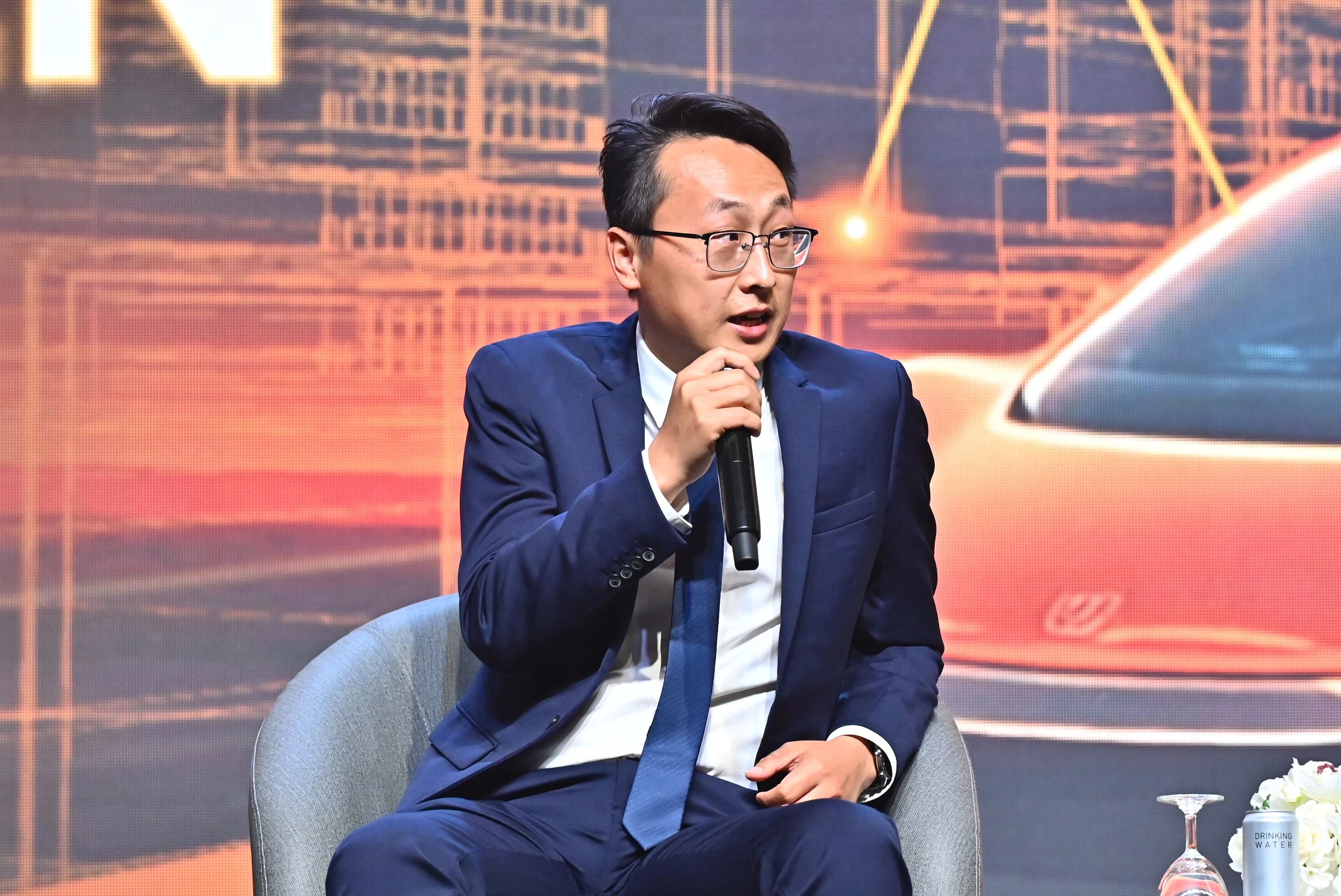
Li Liang suggested that Thailand could leverage electrification to upgrade its industrial chain. From a commercial vehicle perspective, he added that AI will drive autonomous driving toward L4 and L5 levels. Once realized, autonomous driving will transform vehicles into more efficient means of production. Moreover, breakthroughs in battery capacity and highvoltage fastcharging, combined with autonomous driving, will generate new business models.
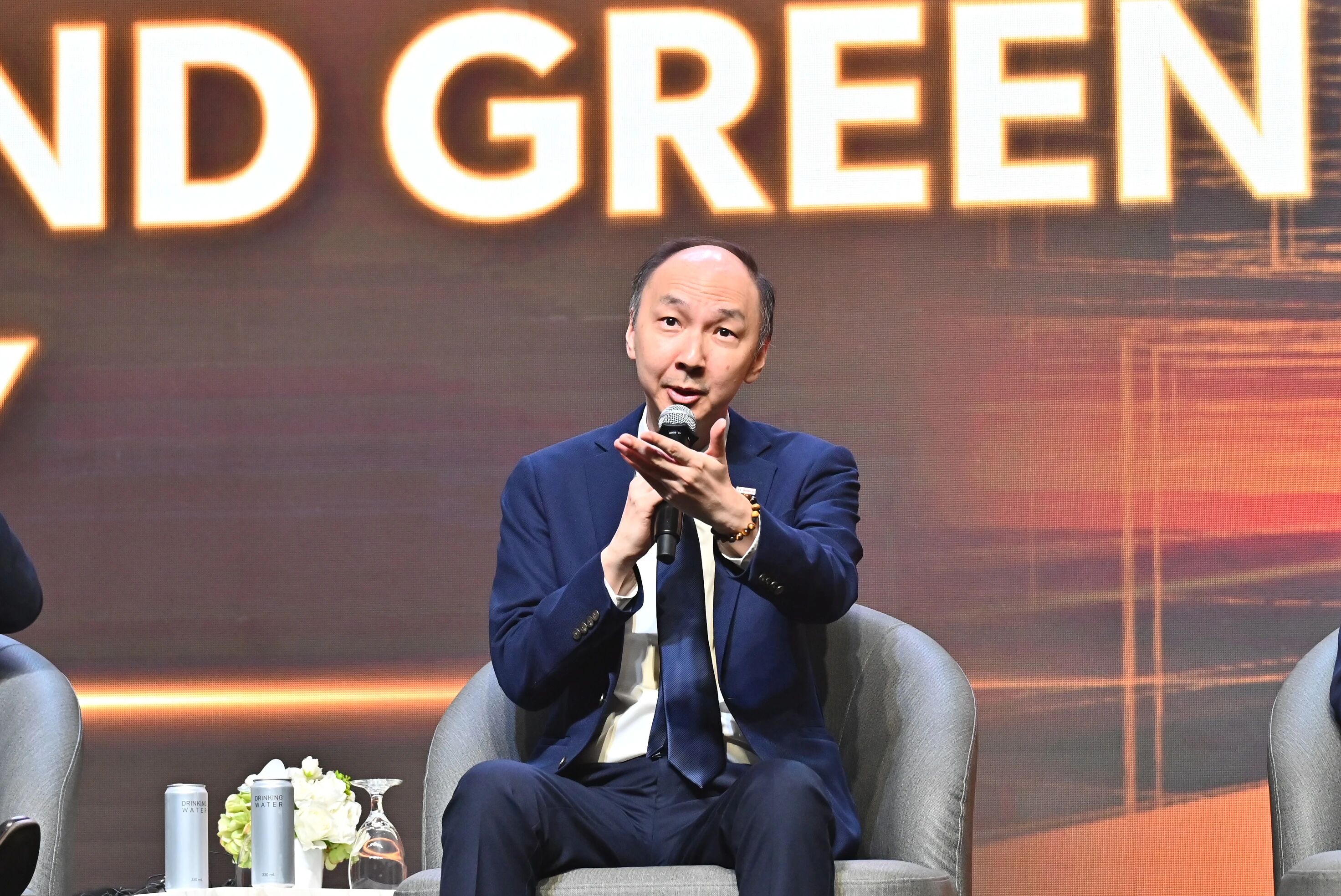
Joseph Ngo Hong emphasized that electrification and intelligentization are an accelerating and irreversible process. Electrification will accelerate over the next three to five years, while softwaredefined vehicles are reshaping the entire vehicle architecture. Thailand needs to identify new technology and system roles within the global supply chain, adopting an open model to drive industry development.
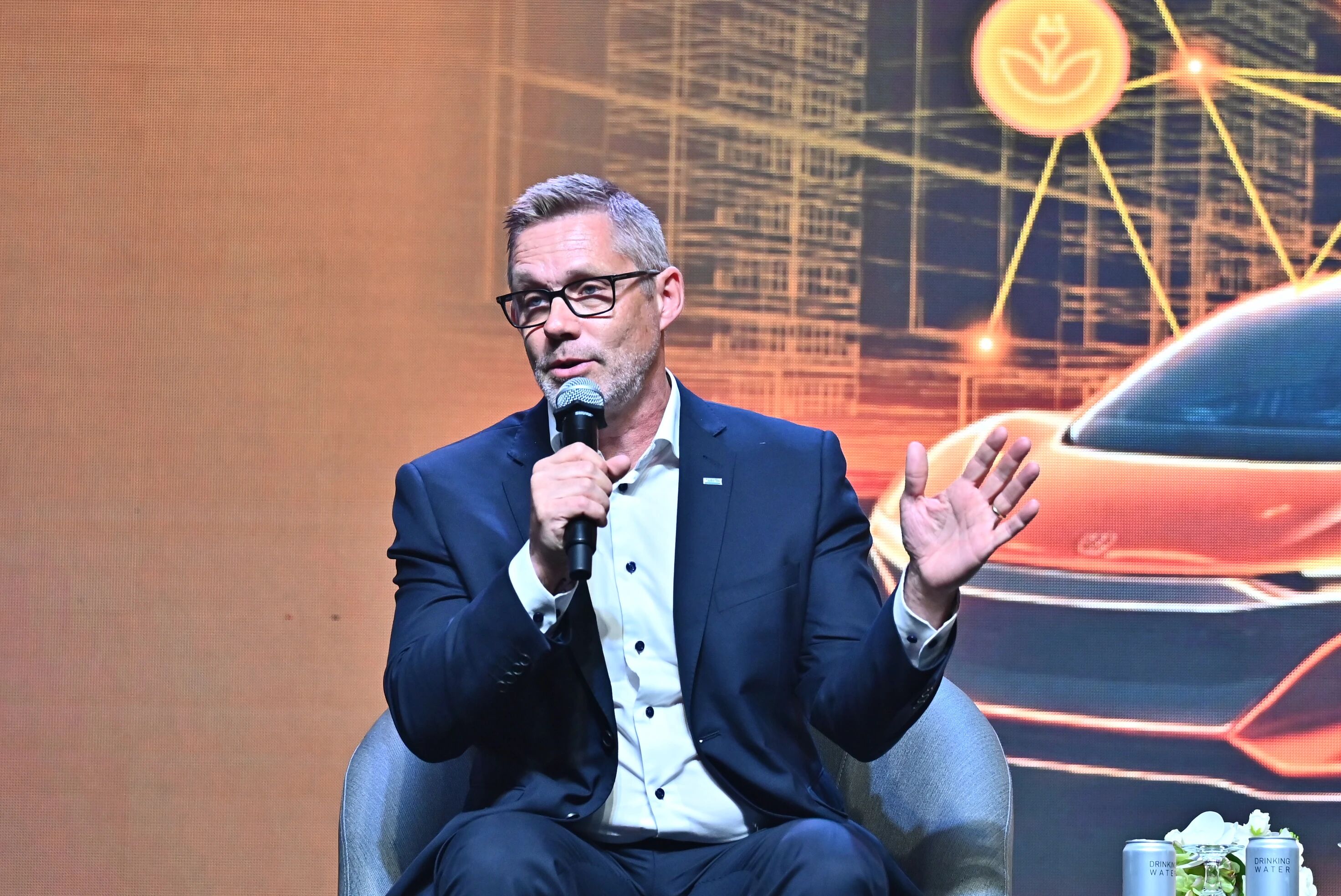
Christian Swahn stated that once electric vehicles and autonomous driving technology reach a commercial tipping point, they will fundamentally transform the way humans use cars. This presents a significant growth opportunity for supplier bases in both Thailand and China. Like Autoliv, Thailand has the potential to globalize its NEV supply chain.
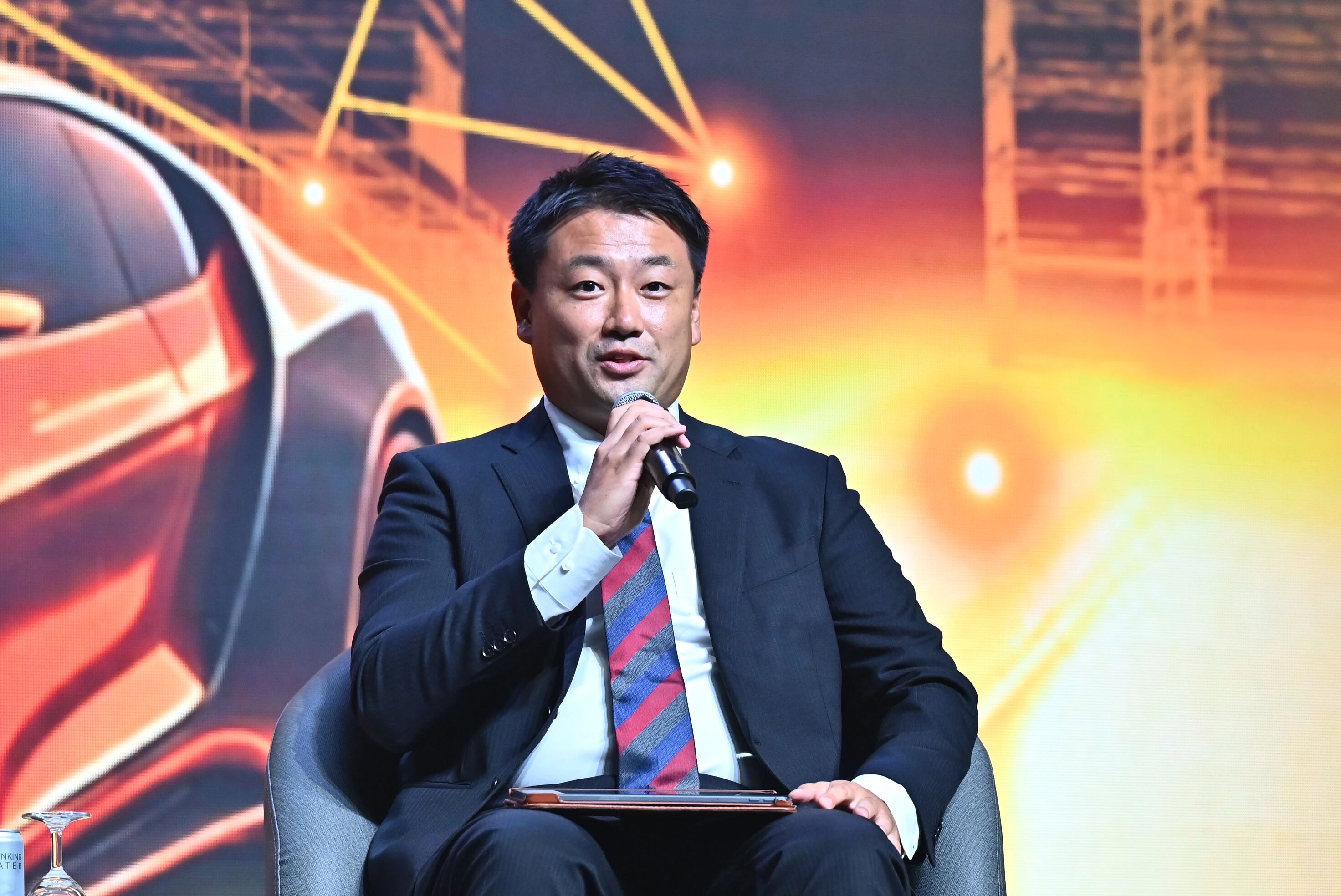
Shimaya Sugiki, from the perspective of diversified technological pathways, emphasized that while CASE (Connected, Autonomous, Shared, Electric) is an inevitable trend, over the next ten to fifteen years, maintaining the existing internal combustion engine supply chain — particularly the pickup truck market — and decarbonizing through biofuels is an indispensable evolutionary path.
Topic II: Thailand‘s Competitive Differentiation Advantages and Localized Supply Chain
When assessing Thailand’s competitive strengths as a regional production hub relative to neighboring countries such as Vietnam, Indonesia, and India, panelists offered an objective evaluation of the strengths and weaknesses of Thailand's supply chain system.
Suroj Sangsnit frankly noted that Thailand‘s core advantage as the most attractive automotive production hub in the region lies in its 50 years of internal combustion engine manufacturing experience, wellestablished component supply, and a market open to all brands. However, at present, driver assistance and autonomous driving lack software localization support, and the NEV industry chain has yet to establish a model suited to Thailand’s localization needs. This requires industry collaboration to jointly support industrial chain development.
Ke Yubin pointed to Thailand‘s advantages as an ASEAN hub, its highquality supply chain, and its supportive “30@30” policy. Building on this, BYD has already achieved a localization rate of nearly 50%. He recommended that Thailand provide stronger policy support for PHEVs to better leverage the country’s extensive fuel vehicle supply chain.
Shimaya Sugiki similarly noted that Thailand has advantages in both policies and supply chain foundation, forming a large network of first, second, and thirdtier parts suppliers, with pickup truck localization rates reaching as high as 90%. Going forward, it will be important to maximize the utilization of the fuel vehicle supply system through clean energy and the bioeconomy.
Topic III: Thailand‘s Competitiveness and Supply Chain Resilience Under Geopolitical Conditions
Faced with an increasingly complex geopolitical landscape and trade uncertainties, panelists discussed how to build a more resilient supply system through diversified deployment and strategic management.
Christian Swahn suggested that geopolitical tensions present both challenges and opportunities. By bringing homegrown supply bases to various parts of the world, not only can global supply flexibility be enhanced, but more competitive localized supply chains can be built in the process, helping Thailand become an even stronger automotive nation.
Joseph Ngo Hong noted that amid current geopolitical crises, companies are building supply chain resilience through multisourcing. While a balance must be struck between cost efficiency and resilience, a strategy of regional sourcing will bring more foreign investment and supply base construction opportunities to Thailand.
Li Liang provided a deep analysis of the underlying causes of supply chain crises, including geopolitics, concentration of core resources, and competition for chip capacity driven by AI. He pointed out that automakers are enhancing resilience through a “China + N” overseas layout, vertical integration of the battery supply chain, and building strategic inventories. Thailand can seize this opportunity to build its industrial system by absorbing the spillover of industrial capacity.
Joseph Ngo Hong observed that cost is no longer the sole criterion for investment. Investors are increasingly focused on reliability, quality, scalability, and the ability to adapt to rapid change. Genuine attraction lies in suppliers who coinvest, continuously innovate, and remain resilient. In addition, he emphasized that international investors pay close attention to political stability and policy orientation, and supply chain enterprises typically follow OEMs‘ decisions on global footprint.
Christian Swahn added that when global investors seek partners, they place great value on a partner’s track record of success in other markets or prior operations. Thailand's greatest attraction lies in its industrial base and accumulated experience in automotive manufacturing. It must remain stable and agile to seize opportunities.
Topic IV: Thailand's Green Energy Strategy and Transformation of Energy Replenishment Infrastructure
As the green and smart EV manufacturing sector continues to grow, panelists discussed Thailand‘s renewable energy strategy and the biggest energy challenges in supporting the country’s EV growth.
Suroj Sangsnit noted that with the surge in NEV registrations, Thailand's EVtocharger ratio has deteriorated from 25:1 last year to 45:1 this year, putting significant pressure on replenishment capacity. The approval process for charging stations in Thailand is relatively lengthy, resulting in a low charger density. While total electricity supply is adequate, the lack of smart grid management and broad application of timeofuse tariffs means the grid still faces a serious risk of congestion from concentrated charging. Moreover, Thailand's electricity generation is still heavily reliant on fossil fuels, lacking sufficient green content. Grid upgrades and greater clean energy integration are urgently needed.
Ke Yubin analyzed that with the rapid growth of NEV sales, a large existing vehicle stock will further burden the grid. He recommended deploying highpower charging stations integrated with solarstoragecharging technology to achieve peak load shifting, reduce grid strain, and accelerate the rollout of charging facilities.
Li Liang, analyzing from a macroenergy structure perspective, noted that Thailand currently relies on natural gas for about 68% of its power generation, with an electricity cost as high as USD 0.28 per kilowatthour, which weakens the cost advantage of EVs. He proposed a green energy development pathway that includes reducing dependence on natural gas, vigorously supporting solar, energy storage, and biomass energy, and establishing a green electricity trading and incentive mechanism to position Thailand as a “Green Manufacturing Hub of Southeast Asia.”
Shimaya Sugiki, focusing on export standards and economic realities, noted that future vehicle export competitiveness will be constrained by Scope 3 carbon footprints. During the transition from fuelpowered to new energy vehicles, the widespread adoption of biofuels is the optimal solution to achieve carbon neutrality goals, protect the grassroots agricultural economy, and maintain national energy security.
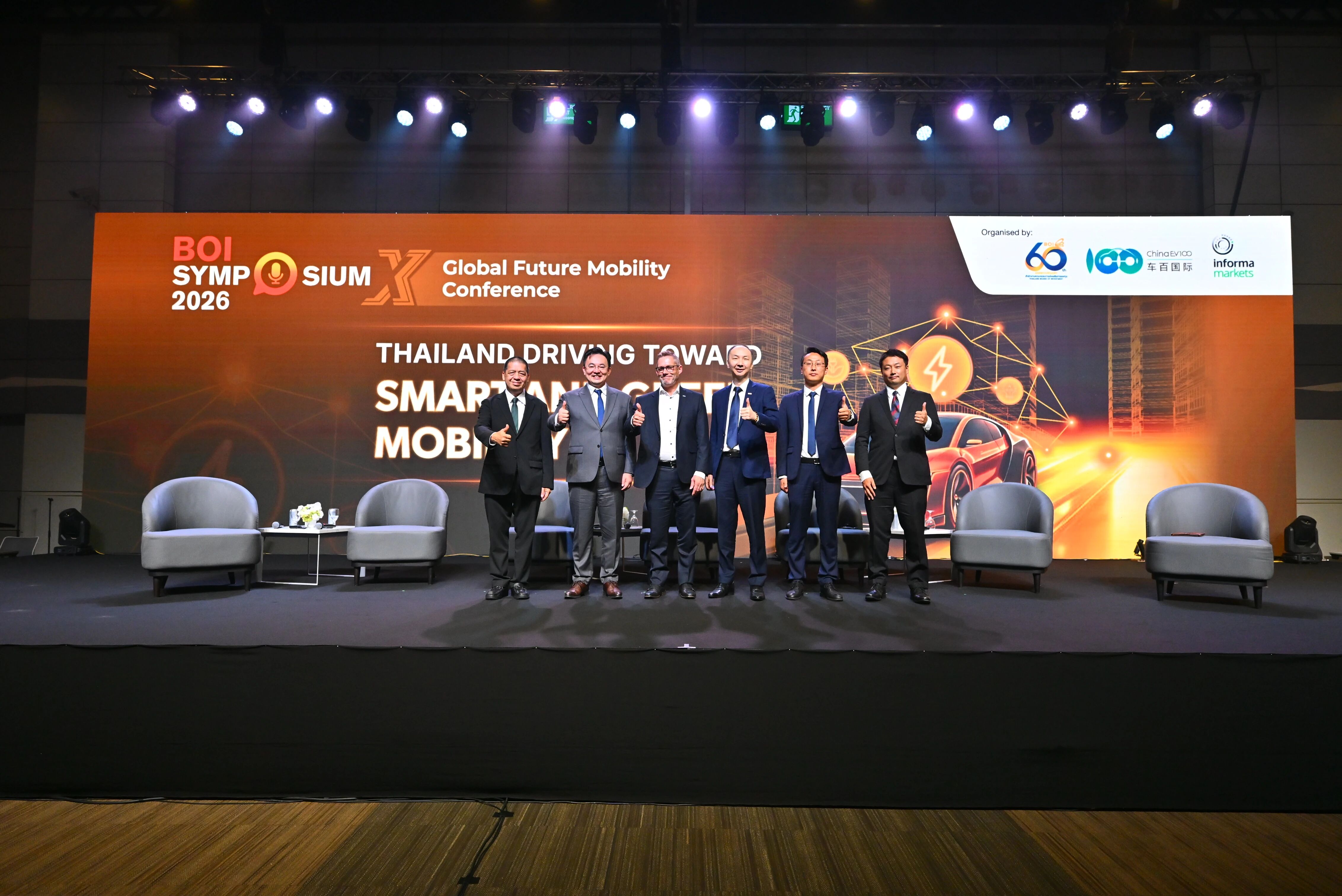
Finally, in their outlook for the next ten to fifteen years, panelists offered recommendations for Thailand to deeply integrate globalization, intelligentization, and green manufacturing. Suroj Sangsnit called for guiding technology owners to conduct core technology business matching and transfer in Thailand. Ke Yubin suggested that cars will evolve into smart spaces integrating entertainment, AI, and lifestyle. This will drive the entire industrial chain — including chips, cameras, software, and AI — to take root in Thailand. Li Liang recommended reshaping the power system with green electricity at its core to position Thailand as a “Green Manufacturing Hub of Southeast Asia.” Joseph Ngo Hong emphasized that Thailand must identify its role in the intelligent and electronic segments of the value chain and deeply integrate into the global supply chain network. Christian Swahn proposed providing stronger security guarantees for enterprises‘ innovation investment to ensure technological continuity in the industry’s transformation. Shimaya Sugiki reaffirmed that maximizing the use of the existing internal combustion engine supply chain and integrating it with the circular economy and biofuels is a pragmatic pathway to protect Thailand's robust economic growth while achieving carbon neutrality goals.


