


To seize opportunities in the European market and address core challenges in localization compliance, technology, and ecosystem cooperation, China EV100 and the Global Renewable Energy and New Energy Vehicle Cooperation Organization (GREEM) will lead a delegation of Chinese vehicle, technology, and semiconductor companies to Munich, Germany, from August 31 to September 5, 2026, to conduct a series of government-enterprise discussions, visits to leading enterprises, and industrial matchmaking activities, exploring on the ground a path for high-quality localized development of China's automotive industry in Europe and building consensus and a solid foundation for cooperation for the industry's overseas expansion.
The Munich trip established a three-dimensional exchange framework featuring "government-enterprise discussions to build consensus, enterprise visits to explore practical operations, and industrial matchmaking to promote implementation." Through multiple progressive and precisely focused specialized activities, it comprehensively covered policy compliance, technological innovation, enterprise cooperation, and ecosystem co-building, advancing deep integration among government, industry, and research in China-Germany automotive cooperation.
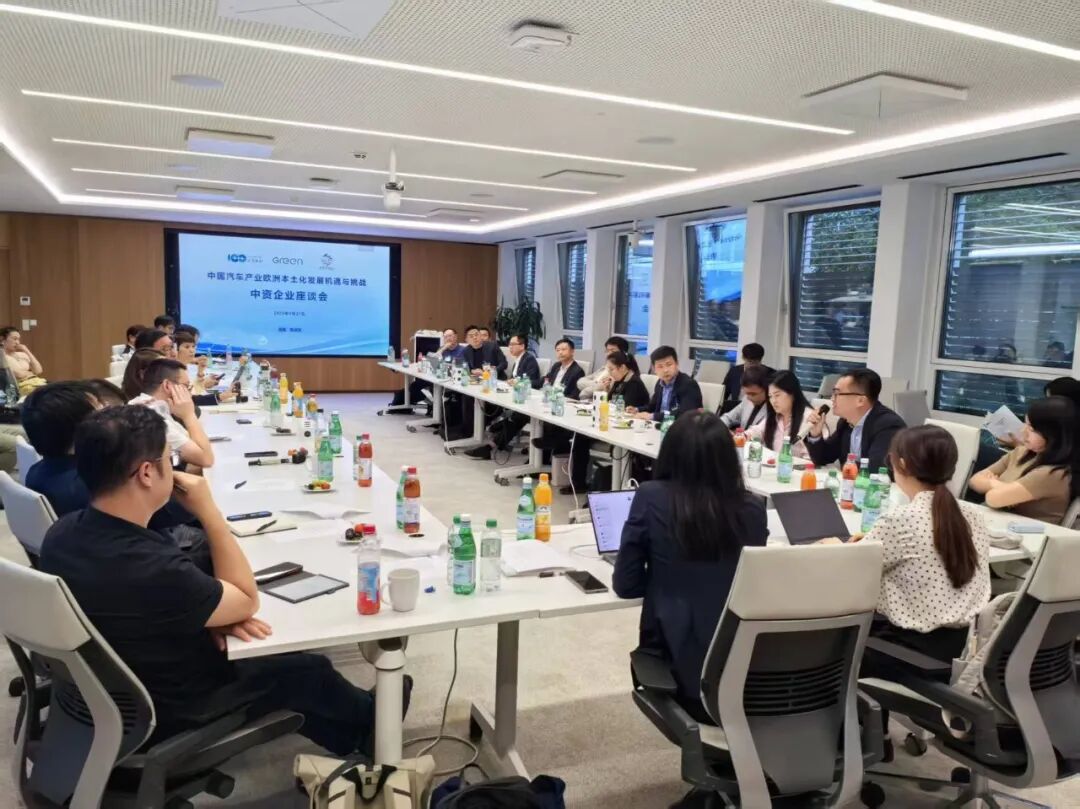
At the level of government-enterprise discussions and industrial matchmaking, three major industry conferences precisely addressed the core challenges of expanding into Europe. On August 31, 2026, China EV100, in partnership with the Global Renewable Energy and New Energy Vehicle Cooperation Organization (GREEM) and the China Chamber of Commerce to the EU (CCCEU), successfully held a symposium on the European development of Chinese automotive enterprises. The meeting focused on core topics such as Chinese automakers' overall strategic layout in Europe, policy adaptation, compliant development, and market adaptation, establishing a core platform for regular China-EU government-enterprise communication and providing top-level reference for automakers to coordinate their overall European development and avoid policy risks.
On September 1, the China-Germany Intelligent Vehicle Industry and Policy Exchange Meeting, hosted by China EV100 with professional support from DEKRA and GREEM, was successfully held. The event focused on segmented areas such as intelligent vehicle technology iteration trends, China-EU industrial policy differences, implementation details of industry standards, and intelligent driving compliance requirements, providing in-depth analysis of high-threshold regulations in Europe covering autonomous driving supervision, data governance, OTA updates, and cybersecurity, helping participating enterprises precisely clarify China-EU technological and policy barriers and identify compliant pathways for intelligent overseas expansion.
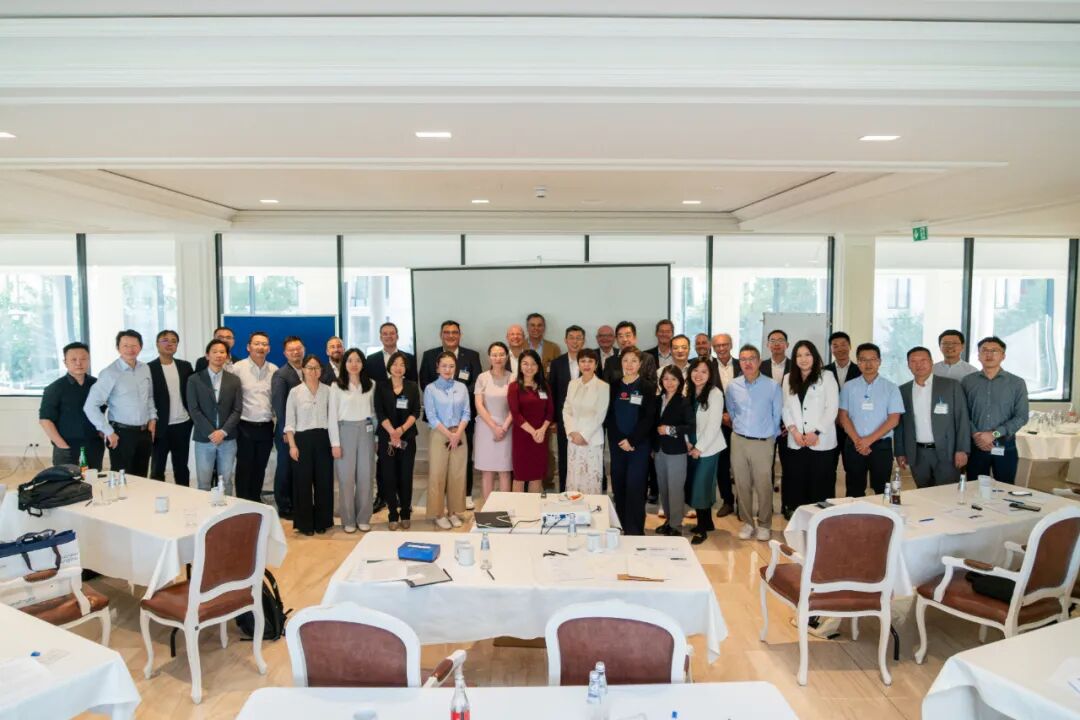
On September 2, China EV100, in partnership with GREEM and the Europe-China Automotive Industry Association (ECAIA), held a China-Europe Automotive Industry Matchmaking Meeting, precisely connecting high-quality upstream and downstream resources in the China-Europe automotive industry. Focusing on practical needs such as supply chain matching, technology cooperation, project implementation, and local operations, the event built a practical bridge for supply-demand matchmaking and mutual benefit, advancing China-Germany industrial cooperation from conceptual exchange to implementation.
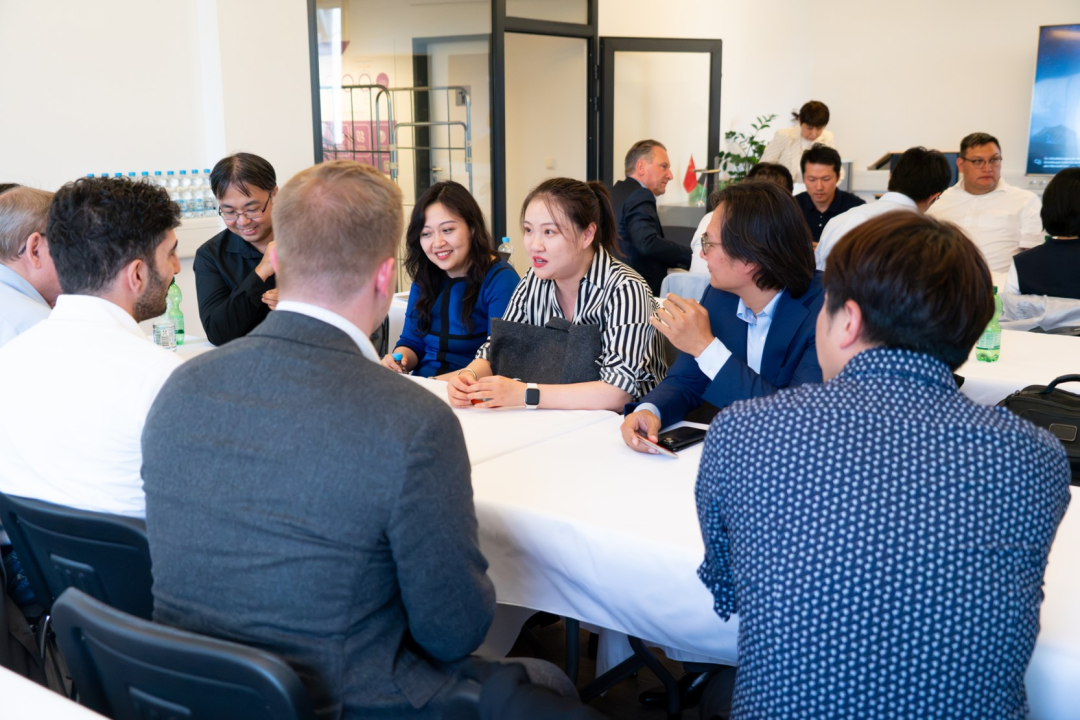
At the level of on-site enterprise visits and in-depth technology benchmarking, the delegation precisely targeted leading European vehicle manufacturers, international semiconductor giants, and Chinese overseas R&D centers, conducting immersive, point-to-point in-depth exchanges to draw on localization operation experience and connect with cutting-edge technology resources.
On August 31, the delegation first visited the Munich headquarters of NXP Semiconductors, with representatives from Chinese technology companies including Desay SV and Volcano Engine participating in the discussion. The two sides held in-depth discussions on core topics such as the evolution of global automotive intelligentization technology, edge AI in-vehicle applications, electrification system integration, and models of cross-border technology cooperation, exploring cooperation space for two-way empowerment and collaborative innovation between the China-Europe semiconductor and intelligent vehicle industries, and providing new pathways for domestic automakers to adapt to intelligent technology iteration in the European market.
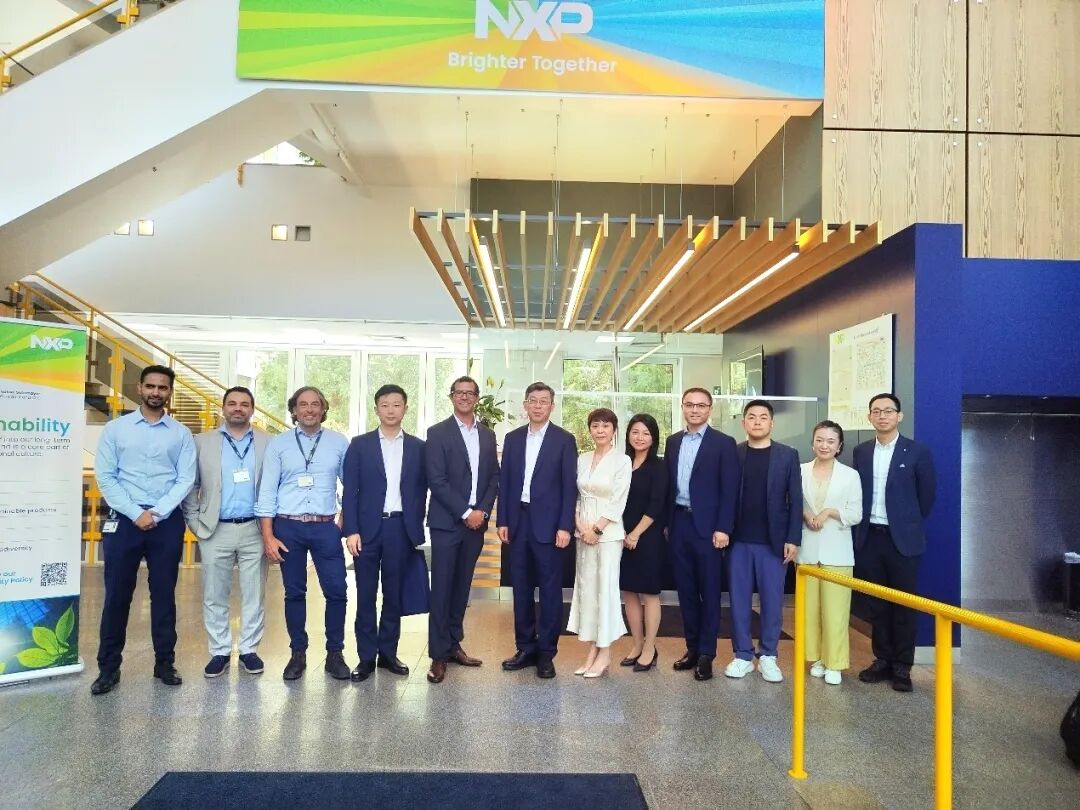
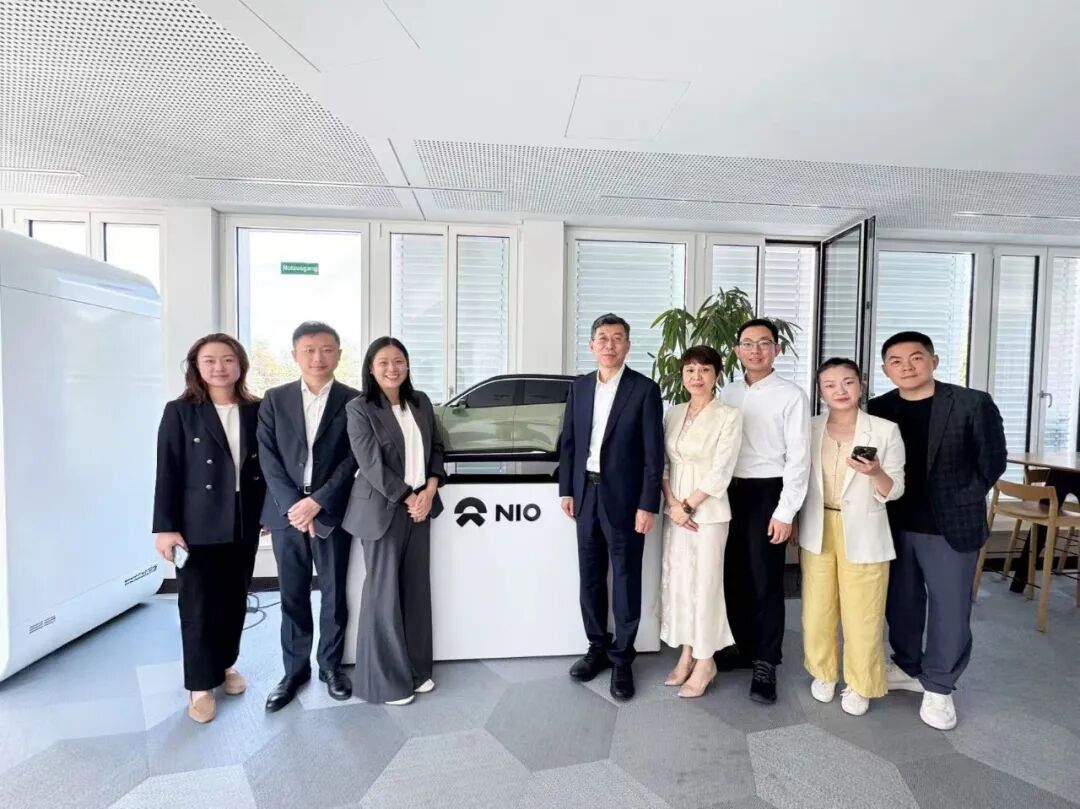
On the same day, the delegation visited NIO's Munich Global Design Center to conduct in-depth research on the localization layout model of Chinese independent brands going global. The two sides held extensive discussions on topics such as NIO's global strategic layout, brand operations in the European market, cutting-edge technology R&D and innovation, and the pain points and breakthrough paths for Chinese automotive brands going global, providing valuable practical reference for domestic automakers to establish a foothold in Europe's high-end market and build differentiated brand advantages.
On September 1, the delegation visited BMW Group's headquarters and held talks with senior executives including Jochen Goller, Member of the Board of Management of BMW Group. Grounded in the broader context of global automotive industry transformation, the two sides conducted candid and in-depth exchanges on topics such as global market development trends, deep China-Europe industrial chain collaboration, new energy and intelligent technology innovation, and cross-regional industrial cooperation, promoting leading Chinese and German automakers to break down competitive barriers and build a complementary and mutually beneficial cooperation framework.
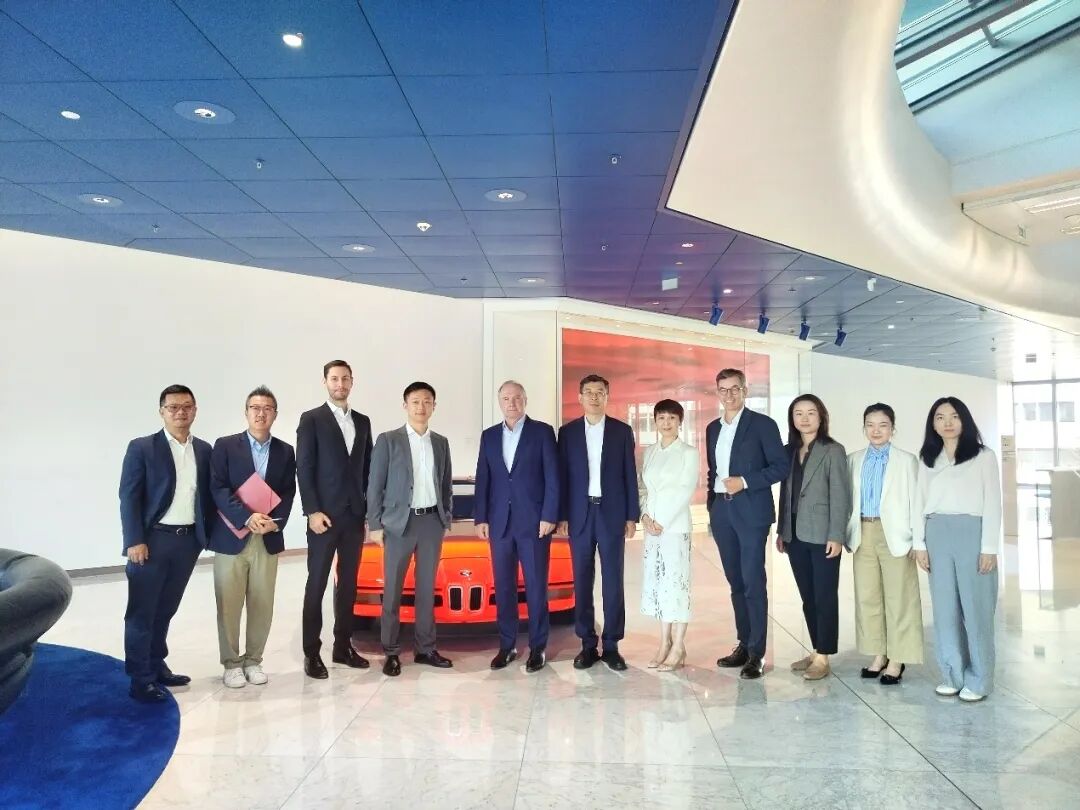
On September 2, the delegation visited XPeng's Munich R&D Center and held in-depth exchanges with Wu Meng, head of the R&D center, and his core team. The two sides focused on topics such as the implementation of XPeng's overseas strategy, the establishment of a localized R&D system in Europe, the overseas export of intelligent technology capabilities, and channel expansion and user operations experience in the European market, providing mature and practical experience for domestic automakers to build localized R&D systems in Europe, achieve technology implementation, and adapt to regional market demand.
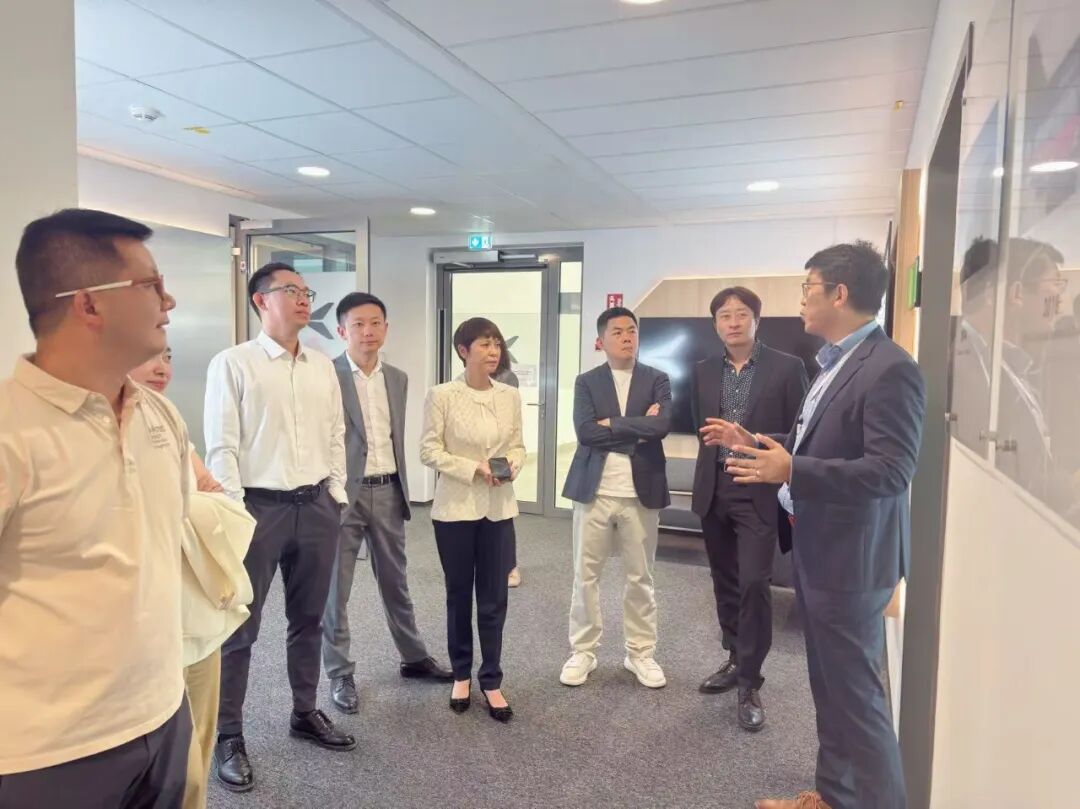
During the visit, the delegation also visited Porsche, Mahle, Infineon, and other leading German vehicle and supply chain enterprises. Through multiple visits, discussions, and exchanges, all parties reached a broad consensus: the European market presents both opportunities and challenges, and front-loaded compliance, intelligent differentiation, deep local cultivation, and ecosystem co-building have become the core pillars for Chinese automakers to establish a firm foothold in Europe and achieve long-term rooted development. They are also the key foundation for advancing China's automotive going-global from product export and service implementation to scenario-based deep iteration.
This series of matchmaking activities in Munich further confirmed that the China-Europe automotive supply chain has broad room for collaboration and two-way empowerment value. Competition in China's automotive going-global has bid farewell to the initial stage of single product export and is gradually entering a new cycle of service operation implementation and scenario ecosystem cultivation. Industry competition has also upgraded from single-point product rivalry to systemic competition across the entire industrial chain, full ecosystem services, and all scenarios. Systematic, deep-level China-Europe industrial cooperation can effectively avoid duplicated R&D and resource waste, support Chinese automakers' large-scale, high-quality going-global, and also help the European automotive industry address shortcomings in intelligent transformation, achieving complementary advantages and mutual benefit.
The Munich visit and research has produced a dedicated research report that systematically sorts out the opportunities, compliance points, and implementation pathways for China-Europe automotive industry cooperation, providing reference for the industry's going-global efforts. In the future, China EV100 will continue to build a regular China-Germany automotive industry cooperation platform, deepening all-round collaboration in key areas such as capacity coordination, precise supply chain matchmaking, joint development of industry standards, and sharing of cutting-edge technologies. It will continue to break down China-Europe industrial barriers, build momentum for cooperation, and help China's automotive going-global bid farewell to extensive scale expansion and fully enter a new stage of high-quality rooted development featuring high-end, localized, and scenario-based approaches.


